
Published on April 15, 2026
Image generated with Ai
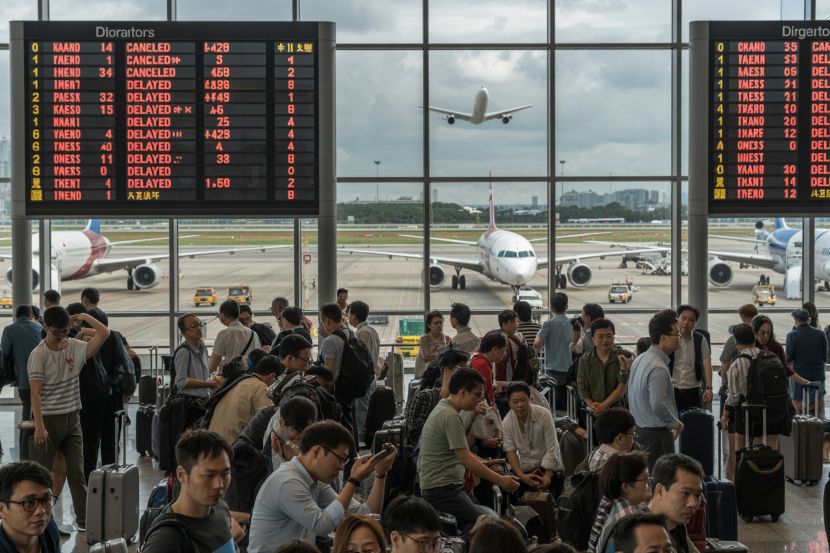
A fresh wave of flight schedule adjustments across Hong Kong, Japan, and South Korea is drawing renewed attention to the limits of travel insurance coverage in Asia-Pacific. Major carriers including Cathay Pacific and its low-cost arm HK Express have begun trimming services between mid-May and late June, citing rising jet fuel prices linked to geopolitical tensions in the Middle East and evolving passenger demand. While the percentage cuts—around 2% for Cathay Pacific and 6% for HK Express—may appear modest, the ripple effects on travel planning, especially for independent tourists, are proving significant. From disrupted itineraries to uncertainty over refunds for add-ons, travellers are confronting a reality where not all disruptions are insured. The situation is also reshaping aviation hub competitiveness in Asia, as cities like Singapore, Japan, and South Korea position themselves amid shifting airline networks.
Play News Now
TTW Audio Brief
Airlines across Asia are increasingly recalibrating their schedules to manage operational costs. In this case, fuel price volatility—driven by ongoing instability in the Middle East—has significantly increased airline expenses. Aviation analysts note that jet fuel can account for 20–30% of an airline’s operating costs, making route optimization a necessary step during periods of price surges.
Cathay Pacific’s planned 2% reduction in passenger flights and HK Express’s 6% cut primarily affect regional routes. While airlines typically aim to minimize disruption, even minor schedule changes can create cascading challenges for travellers.
For instance, travellers with multi-component itineraries—including hotel bookings, attraction tickets, and intercity transport—may find themselves exposed to financial losses if these elements are non-refundable. This is particularly relevant in destinations like Japan and South Korea, where pre-booked rail passes and timed-entry attractions are common among international visitors.
Advertisement
Advertisement
A key issue emerging from these schedule changes is a coverage gap in traditional travel insurance policies. Most standard policies are designed to respond to specific “insured events,” such as:
However, commercial decisions by airlines, such as reducing flights due to cost pressures or demand shifts, typically fall outside these categories.
Advertisement
Advertisement
Insurance professionals across Asia have reiterated that unless travellers purchase extended or “cancel for any reason” (CFAR) add-ons, they may not be eligible for compensation in such scenarios. This has become a growing concern as airlines adopt more flexible, data-driven scheduling strategies.
Package tours have so far remained relatively insulated from the impact. Travel agencies often have the flexibility to rebook groups onto alternative flights within a short timeframe, minimizing disruption.
In contrast, independent travellers (FITs) are more vulnerable. Key risk factors include:
According to global travel data trends, independent travel bookings now account for a significant share of outbound tourism from Asia, making this issue increasingly relevant.
To mitigate risks, industry experts recommend a more flexible approach to trip planning:
Travellers heading to popular destinations such as Japan and South Korea during peak seasons should be particularly cautious, as high demand can limit rebooking options.
The ongoing adjustments are unfolding against a broader backdrop of intensifying competition among Asian aviation hubs. Hong Kong, long regarded as a premier transit hub, is now facing increasing competition from:
Aviation experts suggest that flight frequency remains a critical factor in determining a hub’s attractiveness. Reduced frequencies can lead to longer layovers, prompting travellers to choose alternative transit points.
While Hong Kong continues to invest in infrastructure, including capacity expansion and new terminal developments, its recovery trajectory post-pandemic has been comparatively slower than some regional peers.
The geopolitical situation in the Middle East has had a direct impact on global aviation. Industry observers note that jet fuel prices have nearly doubled in certain periods, forcing airlines worldwide to reassess route profitability.
This trend is not limited to Hong Kong-based carriers. Airlines across Asia and beyond are adopting similar strategies, including:
For travellers, this means a higher likelihood of last-minute changes, even on confirmed bookings.
Interestingly, these disruptions could also reshape regional tourism patterns. For example:
There is also potential for traffic redistribution on long-haul routes, such as those connecting Australia and Europe, depending on how quickly Middle Eastern hubs recover from ongoing disruptions.
The current situation highlights a broader industry shift. As airline networks become more dynamic, there is growing demand for innovative travel insurance products that address modern travel risks.
Key areas of potential evolution include:
Insurers, brokers, and travel advisors are increasingly being urged to communicate policy limitations clearly to avoid misunderstandings.
As airlines continue to adapt to economic and geopolitical pressures, travel disruption is becoming a structural feature rather than an exception. For travellers across Asia-Pacific, especially those planning trips to high-demand destinations like Japan and South Korea, the need for informed decision-making has never been greater.
At the same time, the evolving landscape presents an opportunity for the travel industry to innovate—whether through more flexible booking systems, transparent communication, or next-generation insurance solutions.
Advertisement
Tags: airline fuel costs, Asia aviation trends, flight cancellations Hong Kong, independent travel risks, travel disruption tips
Advertisement
Advertisement

Subscribe to our Newsletters
I want to receive travel news and trade event updates from Travel And Tour World. I have read Travel And Tour World's Privacy Notice .
Wednesday, April 15, 2026
Wednesday, April 15, 2026
Wednesday, April 15, 2026
Wednesday, April 15, 2026
Wednesday, April 15, 2026
Wednesday, April 15, 2026
Wednesday, April 15, 2026
Wednesday, April 15, 2026