
For many travelers, feeling safe is just as important as seeing the sights—and a recent study from the travel insurance company Berkshire Hathaway Travel Protection set out to find the best places in Asia where travelers can sightsee stress-free.
For the study, the company surveyed American travelers about the places in Asia they visited and how safe they felt, then paired those insights with data from the Global Peace Index, Numbeo, and GeoSure. They also factored in past results to create an overall ranking of the world’s safest countries.
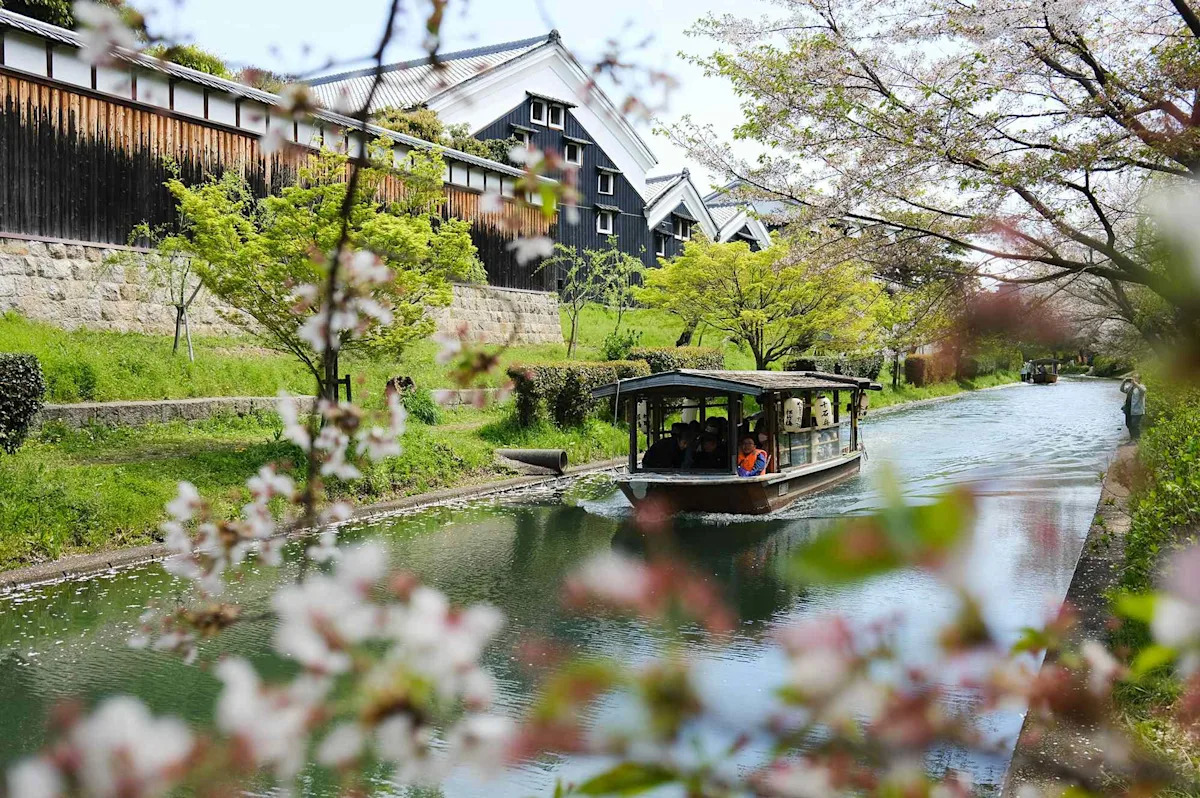
Topping the list as the safest country in Asia is Japan. The country’s strong standing in safety could stem from several factors, including societal structure, strict laws, and cultural focus on harmony, which keep street crime and public disturbances very low. That sense of security allows travelers to focus less on caution and more on experiencing everything the country has to offer.
In Tokyo, travelers can explore the bustling neighborhoods of Shibuya, Harajuku, and Shinjuku, admire cutting-edge architecture, stroll through peaceful Japanese gardens, and experience vibrant nightlife without worrying about personal safety. For an upscale stay in the city center, the Four Seasons Hotel Tokyo at Otemachi offers elegant rooms with views of the Imperial Palace, while The Tokyo Station Hotel is housed inside the city’s iconic train station.
Traveling by bullet train opens the door to some of Japan’s most underrated destinations. Mount Fuji invites travelers to explore nearby hiking trails or take in the views from the Mount Fuji Panoramic Ropeway. In Kyoto, tranquil temples and classic tea houses reveal a more traditional side of Japan. An hour south, Osaka offers lively street markets and an impressive food scene that has earned it the nickname “Kitchen of Japan.”
From Kyoto or Osaka, travelers can easily reach the Kii Peninsula, a spiritual heartland rich in UNESCO World Heritage sites, such as the Tamaki Shrine, Japan’s oldest shrine, and the historic Kumano Kodo pilgrimage route. On the eastern side of the peninsula, Ise Jingu Shrine will take center stage during the Okihiki Ceremonies from May through August 2026, a sacred tradition dating back 1,300 years in which the shrine is ceremonially rebuilt.
Travelers seeking to balance the energy of Japan’s cities with relaxation can unwind at one of the country’s more than 3,000 onsen (hot springs) spread across the country. These natural springs can be enjoyed at traditional properties like Fujiya Ryokan or at modern retreats such as Amanemu, where guests have access to spa onsens and private onsen baths in every suite and villa.
For more information on the study, visit Berkshire Hathaway Travel Protection’s website.
Read the original article on Travel & Leisure