Published on February 8, 2026
Las Vegas, alongside New York, Florida, California, and Hawaii, is facing a shocking tourism decline. These iconic US tourist destinations have come together in a desperate battle against a major drop in visitors. Economic uncertainty, rising travel costs, and shifting global trends are playing a big role in this decline. For years, these locations have been magnets for travelers worldwide, but now, they are seeing fewer visitors, which is having a serious impact on local economies. Las Vegas’ famous attractions, New York’s iconic landmarks, Florida’s sunny beaches, California’s sprawling cities, and Hawaii’s tropical islands are all struggling. As tourists turn their backs, these destinations must confront the reality of changing travel patterns. In this article, we explore why these once-thriving spots are losing their allure and how they plan to tackle the challenges ahead.
US Tourist Destinations Face Major Decline in Visitors Amidst Economic Uncertainty and Global Trends
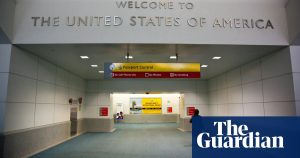
Tourism in the United States, one of the world’s leading travel destinations, is experiencing a tough year. Several of the country’s top cities, national parks, and tourist spots are facing significant declines in visitors. As travellers’ concerns over the economy, trade disputes, and immigration policies continue to grow, tourism industries across the U.S. are feeling the effects. This article explores which U.S. destinations are struggling with falling tourist numbers and why these drops are happening.
Las Vegas Faces Its Worst Drop in Visitors in Two Decades
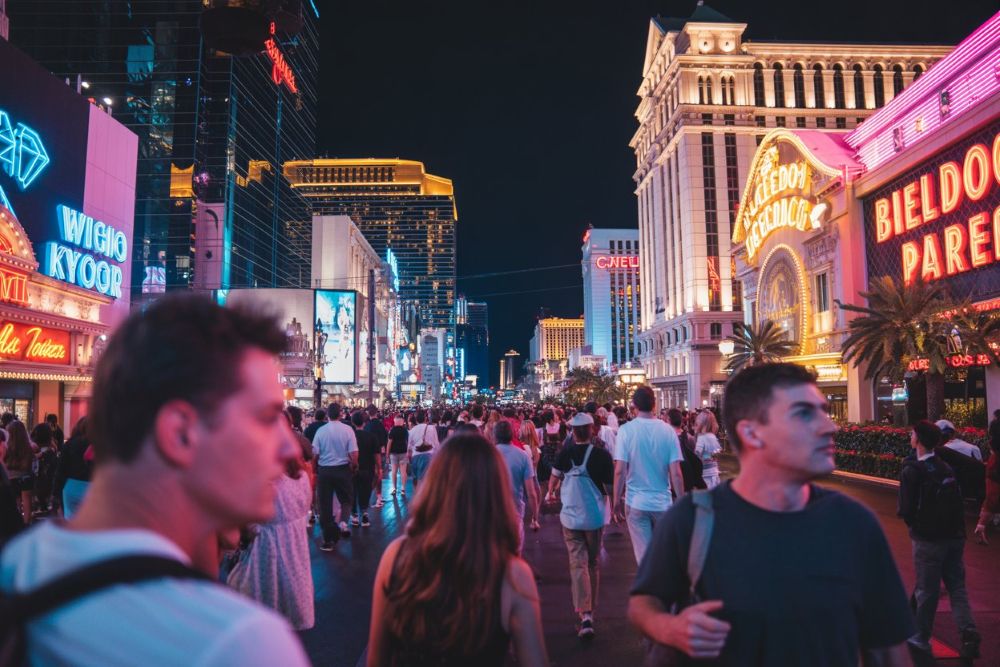
Las Vegas, the city of lights, entertainment, and high‑stakes gambling, is one of the hardest-hit destinations. The Las Vegas Convention and Visitors Authority has reported that the number of visitors to the city fell by 7.5% in 2025, a drop that has shocked the local tourism industry.
Many factors are contributing to this decline. The growing economic uncertainty and rising travel costs are making tourists cautious. But it’s not just Americans staying away; international tourists, particularly from Canada and Europe, are also fewer in number. The trade war between the United States and other countries, particularly Canada, has led to a drop in visits from these regions.
Advertisement
Advertisement
Advertisement
Advertisement
Brian Torres Sauzo, a worker at the Westgate Las Vegas Resort and Casino, explains the impact this decline has had. “The casinos are empty,” he says, referring to the quiet casino floors. With fewer tourists visiting, workers in the hospitality and service industries are facing a tougher time, as many are getting fewer work hours or worrying about job security.
As the Las Vegas economy is built around tourism, this drop is especially troubling for local businesses. For many workers, like Sharon Beckworth of Harrah’s Hotel, the drop in tourists means long hours and even more pressure to maintain jobs in an uncertain environment.
Advertisement
Advertisement
Decline in Visitors to U.S. National Parks
Advertisement
Advertisement
National parks, another major tourist draw, are also experiencing a decline in visitor numbers. In 2025, some of the U.S.’s most iconic parks, including those in Utah, have seen a significant dip in attendance.
Visitors to the national parks in Utah, including Bryce Canyon and Zion National Park, reported a drop of 8–20% in the summer of 2025 compared to 2024. The national parks have long been a popular draw for both domestic and international travellers, and the decline is linked to the broader issues affecting inbound tourism. It’s not just about fewer people; the type of tourists visiting these parks has also changed. Visitors are choosing shorter stays and opting for less expensive options, impacting the local economy.
While this trend is evident in Utah, other national parks across the country have seen similar declines. As more visitors from overseas, particularly international tourists, cancel their trips, local tourism businesses suffer. Reduced visitation means less spending at local shops, hotels, and restaurants, which impacts the overall economy of these regions.
The Impact of Canadian and Overseas Visitor Drops on Florida and Other Border States
Florida is another state that has been impacted by fewer international tourists, particularly from Canada. Official statistics show that Canadian travel to the U.S. has sharply decreased in recent years, with the 2025 figures being some of the lowest in recent memory.
Canadian visitors have long been a staple of tourism in Florida, and this drop is having significant consequences. Florida’s theme parks, beaches, and other tourist attractions have felt the effects of this shift. The state has traditionally relied on its northern neighbours to fill hotel rooms, dine at local restaurants, and buy tickets to attractions. With fewer Canadians visiting, local economies that depend on these tourist dollars are feeling the pinch.
Along with Florida, several other U.S. states that share a border with Canada are facing similar challenges. Destinations in upstate New York, Washington, and Michigan have reported significant declines in visitors, largely due to the reduction in Canadian travel. These states rely heavily on cross‑border traffic, and the slowdown in visitors is damaging.
New York, California, and Hawaii Struggling to Attract International Tourists
While the drop in tourism is felt across the nation, some of the most popular destinations, like New York City, California, and Hawaii, are seeing particularly sharp declines. These places have long been at the top of international tourists’ must‑visit lists, but now, they are losing their charm due to several factors.
In New York City, tourism dropped by nearly 5% in 2025 compared to the previous year. High costs and visa delays have made it harder for overseas visitors to travel to the Big Apple. The same trend is seen in California, particularly in cities like Los Angeles and San Francisco, where overseas arrivals are lower than anticipated. Hawaii has also seen fewer international tourists, as rising travel costs and the growing economic uncertainty have caused many to cancel or postpone their trips.
The reduction in international visitors is particularly hard for these states. They rely heavily on tourism as an economic driver, and with fewer tourists spending money on hotels, tours, dining, and entertainment, local economies are beginning to struggle.
National Drop in International Tourism and Its Effects on Major US Cities
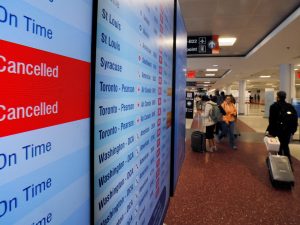
Nationally, the U.S. has seen a sharp drop in international tourism. According to government data, the U.S. welcomed 2.5% fewer international visitors in 2025 compared to the previous year. This decline can be attributed to several factors, including rising costs, increased travel restrictions, and global economic uncertainties.
With the U.S. being one of the top travel destinations for international tourists, this decline is felt across the country. Major cities that typically rely on foreign visitors, such as New York, Los Angeles, and Miami, are experiencing the effects of this downturn. According to official tourism statistics, the number of overseas visitors to these cities has dropped significantly, causing ripples through the hospitality and service industries.
Cities that once saw a constant stream of international visitors now find themselves with quieter streets and emptier attractions. Local businesses are facing financial difficulties, and many workers are seeing fewer hours and fewer job opportunities. For many, this decline in tourism has meant fewer chances to earn a living or to support their families.
How the Economic Climate Is Contributing to Fewer Tourists in the US
The global economy has had a significant impact on U.S. tourism. With inflation on the rise and concerns over the future of the economy, many people are simply cutting back on their travel plans. For many potential tourists, a trip to the United States is becoming increasingly expensive and out of reach.
In addition, ongoing political tensions, such as the trade war with Canada, have also made some international tourists hesitant to visit. As international relations become strained, tourists may look elsewhere for destinations that feel more welcoming or less uncertain.
For example, the ongoing trade tensions between the U.S. and Canada have had a direct impact on Canadian tourism to the U.S. According to statistics from the National Travel and Tourism Office, the number of Canadians travelling to the U.S. dropped by over 10% in 2025, with many opting for destinations in Europe or the Caribbean instead. This drop in Canadian tourism has been particularly hard on states like Florida, New York, and Michigan, where Canadian visitors make up a large portion of the tourist numbers.
Tourism Recovery Plans and Adaptations
Despite these challenges, there are efforts underway to recover U.S. tourism. Many destinations are adjusting their strategies to better cater to the needs of domestic and international visitors. For instance, Las Vegas is ramping up marketing efforts to attract more Canadian tourists and is offering special deals to get visitors back to the casinos. Similarly, Florida and California are working to create new tourism packages and incentives to draw international visitors.
At the same time, some destinations are diversifying their tourism offerings to attract different kinds of travellers. For example, cities like New York are focusing on promoting cultural experiences, such as theatre performances, art exhibitions, and food tours, in an effort to appeal to a wider range of visitors.
The U.S. Travel Association has also called for more government support for the travel industry, including improvements to visa processing times and more affordable travel options for international visitors. These measures could go a long way in helping to boost tourism numbers in the coming years.
A Long Road to Recovery for U.S. Tourism
As tourism in the U.S. continues to struggle with lower international visitor numbers, the path to recovery will be long and challenging. While some destinations are finding ways to adapt and recover, others will need to rethink their tourism strategies in the face of changing global dynamics.
The slowdown in U.S. tourism is a complex issue with multiple contributing factors, including economic uncertainty, political tensions, and shifting travel preferences. However, by focusing on diversifying offerings, improving visitor experiences, and finding new ways to attract international tourists, U.S. destinations can begin to bounce back from this difficult period.
As the country looks to the future, the key to success will be adapting to the changing needs of global travellers and finding innovative ways to bring visitors back to the U.S. tourism scene. Whether it’s offering unique cultural experiences, creating more affordable travel options, or improving international relations, U.S. destinations must evolve to meet the challenges of the modern travel landscape.
Advertisement

Advertisement
Tags: economic uncertainty, global trends, tourism decline, US tourist destinations, visitor drop
Subscribe to our Newsletters
I want to receive travel news and trade event updates from Travel And Tour World. I have read Travel And Tour World's Privacy Notice .
Sunday, February 8, 2026
Sunday, February 8, 2026
Sunday, February 8, 2026
Sunday, February 8, 2026
Sunday, February 8, 2026
Saturday, February 7, 2026
Sunday, February 8, 2026
Sunday, February 8, 2026