Published on February 19, 2026
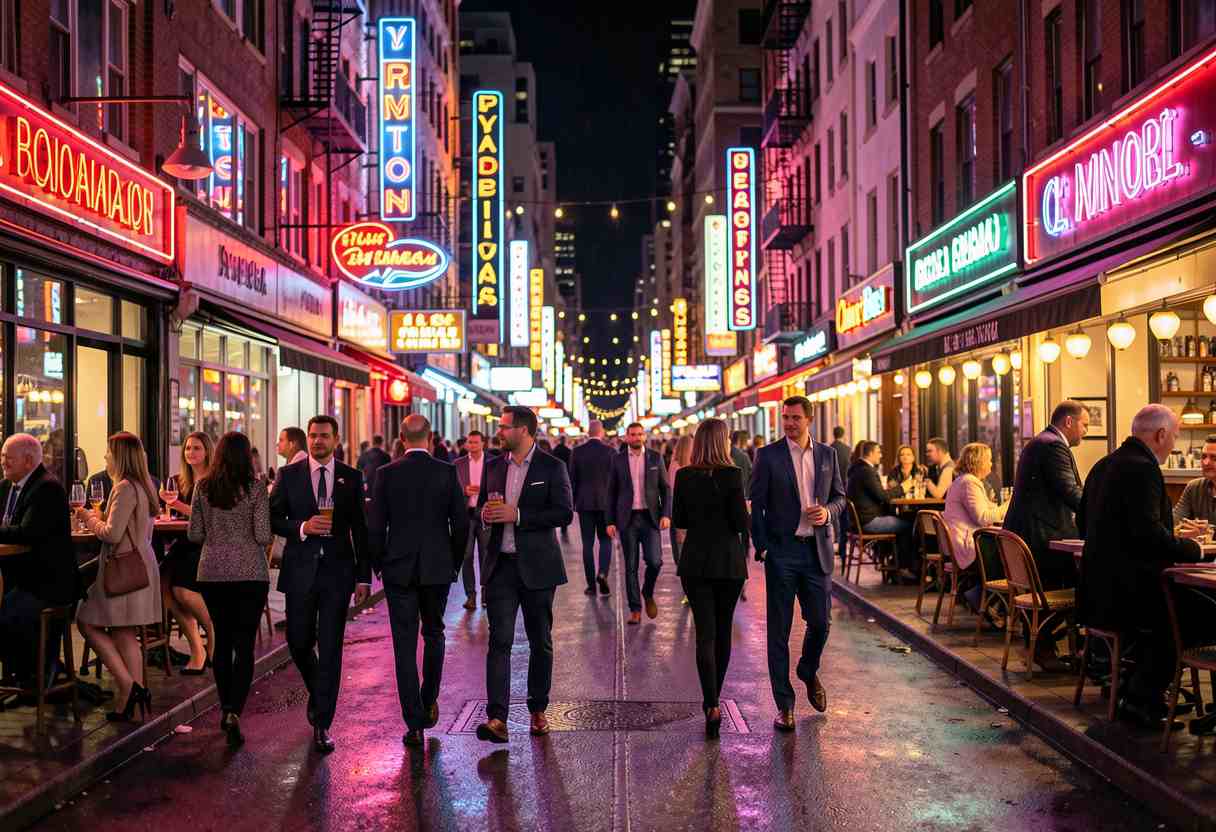
Image generated with Ai
Las Vegas joins Miami, New York, Los Angeles, San Francisco, Chicago, and Hawaii in a stunning nightlife tourism plunge. This drastic decline has left many cities, once thriving on tourist traffic, grappling with unexpected challenges. While each of these destinations has long relied on international visitors and vibrant nightlife to fuel their economies, 2025 has seen a significant shift. The tourism downturn has affected hotels, attractions, and local businesses, with fewer people exploring iconic landmarks, enjoying nightlife, or booking long stays. As a result, these cities are experiencing quieter streets and empty nightclubs, marking a stark contrast to their usual bustling energy. But why does this matter to you? The impact goes beyond just travel plans—it reflects shifting trends in global tourism, travel budgets, and consumer behavior. Understanding this decline can help you adapt to changing travel patterns and plan future trips wisely.
Las Vegas, a city synonymous with high-energy nightlife and round-the-clock entertainment, has seen the most significant impact. Known for its luxury casinos, vibrant clubs, and extravagant performances, Las Vegas has long relied on its nightlife and leisure tourism for economic growth. However, 2025 marked a major turning point.
Visitor Decline:
Las Vegas suffered a 7.5% drop in total visitors in 2025 — the steepest decline since the 1970s, excluding pandemic years. This significant drop equated to approximately 3.1 million fewer visitors compared to 2024. The total visitor count through November 2025 stood at 35.46 million, reflecting a 7.4% decline from 2024. The sharp reduction in visitors is a major blow to the city’s economy, which has long been reliant on tourism.
Airport Traffic Impact:
Harry Reid International Airport, the gateway to the city, recorded a 6% decline in passenger traffic in 2025, with international traffic especially weak. This decline is emblematic of a broader shift in leisure travel, where budget-conscious travelers have reduced their bookings. The decrease in both visitors and air traffic has had a direct impact on Las Vegas’s vibrant nightlife.
Advertisement
Leisure and Nighttime Activity:
The most visible impact of this tourism decline has been the softening of hotel occupancy rates and nighttime crowd levels. With fewer visitors coming to Las Vegas, the city’s nightlife districts — which depend heavily on international tourists — have seen a noticeable drop in foot traffic. The famed nightclubs, bars, and shows that once pulsed with energy during the evening hours are experiencing quieter nights, signaling a change in the city’s nightlife dynamic.
Miami has long been a destination for travelers seeking vibrant beaches and a buzzing nightlife scene, particularly in districts like South Beach and Wynwood. However, in 2025, the city saw a noticeable drop in tourism, particularly from international visitors.
Advertisement
Advertisement
Visitor Volume Drop:
Miami faced a decline in international arrivals, primarily due to higher travel costs and shifting travel patterns. With the competition from other international destinations becoming more intense, and the growing price sensitivity among global travelers, Miami struggled to maintain its previous tourism numbers. Despite overall growth in Florida’s tourism market, Miami itself saw a drop in international visitors.
Nightlife Impact:
The decline in tourism has had a direct impact on Miami’s nightlife economy. The city’s nightlife districts, which depend heavily on foreign visitors, have begun to feel the effects. The clubs, bars, and beach parties that once attracted crowds during the night are now facing quieter evenings. With reduced foot traffic at popular spots like South Beach and Wynwood, the city’s lively, night-time atmosphere has softened. Though official night-specific foot traffic data for 2026 has not yet been released, the overall visitor decline strongly correlates with fading nighttime tourism in Miami.
Advertisement
Advertisement
New York City, one of the world’s most iconic destinations, also experienced a decline in visitor numbers in 2025. Known for its 24/7 hustle, neon lights of Times Square, Broadway shows, and vibrant nightlife, the city’s international tourism has seen a sharp drop.
Visitor Arrivals Decline:
International travel to the U.S. decreased by approximately 6% in 2025, which had a disproportionate impact on major cities like New York. Specifically, New York’s international arrivals dropped by 3.6% in June 2025 compared to the same period in 2024, based on official airport traffic analysis. As one of the country’s most visited cities, this decline is a significant shift.
Nightlife and Tourism Trends:
The decline in international visitors, particularly from Europe and Canada, has had a direct effect on the demand for nightlife destinations in New York. Famous nightlife districts such as Times Square and Broadway have seen less demand. Despite New York’s year-round appeal, projections for 2026 indicate that the city’s tourism numbers will remain below pre-pandemic levels, which means its night-time tourism will continue to suffer.
Los Angeles, another city dependent on tourism and entertainment, also saw a decline in visitors in 2025. Known for its movie industry and luxurious nightlife, the city is facing reduced tourist numbers as travel costs rise.
Visitor Numbers Decline:
In May 2025, LAX (Los Angeles International Airport) recorded ~2.046 million overseas passengers, reflecting a modest decline compared to 2024. The city, while still hosting large-scale events like the Oscars and LA festivals, experienced a decline in overall visitor numbers.
Impact on Nightlife:
The reduced visitor numbers have resulted in lower nightlife participation. The famed nightclubs and bars that line the streets of Hollywood and Santa Monica are not as busy as they once were. The drop in tourists has meant fewer people enjoying the city’s vibrant nightlife offerings, leading to quieter nights compared to peak years.
San Francisco and Chicago are also experiencing tourism slowdowns, driven by the same national trends affecting other U.S. cities.
San Francisco:
San Francisco’s international tourism declined by 3.2% in 2025, with international visitor spending also expected to drop. While the city’s domestic bookings and conference tourism showed slight growth, the decline in international visitor numbers has had a noticeable impact on the city’s nightlife and leisure tourism.
Chicago:
Chicago too has been impacted by weaker visitor numbers. As a city with a strong international appeal, the drop in international arrivals has affected the vibrancy of its nighttime economy. The reduced number of visitors has led to a diminished vitality in Chicago’s nightlife districts, reflecting the broader national trends.
Hawaii, known for its idyllic beaches and luxurious resorts, has been hit hard by a decline in Canadian visitors. Canadians have long been one of Hawaii’s largest source markets, and their absence has been felt throughout the state.
Decline in Canadian Arrivals:
Many Canadian visitors cancelled or altered their travel plans to the U.S. in 2025, directly impacting Hawaiian tourism. The decrease in Canadian visitors led to a noticeable reduction in international visitors to Hawaii, especially in the evenings when resorts and beaches are typically busiest.
Nighttime Tourism Impact:
The decline in Canadian tourism has resulted in fewer evening activities and resort business, leading to softer nighttime tourism in the state. The drop in international visitors, particularly from neighboring Canada, has made it difficult for Hawaii to maintain its previously vibrant night-time economy.
The broader trend of declining international inbound travel in the U.S. was significant in 2025. The U.S. Travel Association reported a 6% drop in international visitors in 2025, which aligns with the difficulties cities like Las Vegas, Miami, and New York have experienced in maintaining their previous tourist volumes.
Even though global tourism grew in other regions, U.S. inbound travel faced challenges. Tourism Economics reported that overnight international visits were below expectations in 2025. This broad decline in international tourism had a direct effect on cities with thriving nightlife districts, reinforcing the vulnerability of destinations that are heavily reliant on leisure tourism and nighttime visitors.
In 2025 and continuing into 2026, key U.S. cities like Las Vegas, Miami, New York, Los Angeles, San Francisco, Chicago, and Hawaii have seen a noticeable decline in tourism, particularly in the night-time entertainment sectors. These cities have long depended on both international visitors and nightlife tourism, but the reduced visitor numbers, particularly from key international markets like Canada and Europe, have forced many destinations to confront new challenges.
The long-term effects of these changes are still unfolding, but it is clear that these cities must adapt to changing travel habits and economic realities. As global tourism continues to evolve, U.S. cities that once thrived on nightlife tourism must find innovative ways to attract visitors and reinvigorate their night-time economies. The future of these cities will depend on their ability to attract new types of tourists and foster a vibrant night-time culture that can thrive even in the face of a changing tourism landscape.
Advertisement
Tags: global travel slowdown, Hawaii visitor decrease, Las Vegas tourism decline, Los Angeles Nightlife, Miami travel drop

Subscribe to our Newsletters
I want to receive travel news and trade event updates from Travel And Tour World. I have read Travel And Tour World's Privacy Notice .
Friday, February 20, 2026
Friday, February 20, 2026
Friday, February 20, 2026
Friday, February 20, 2026
Friday, February 20, 2026
Thursday, February 19, 2026
Friday, February 20, 2026
Friday, February 20, 2026