
Plan a smooth Lake Huron getaway with practical guidance on seasons, weather, crowd patterns, safety, packing and itinerary tips for the US and Canadian shore.
The Traveler contains affiliate links. If you click through and make a purchase, we may earn a small commission at no extra cost to you. We are grateful if you use these as it helps a lot! Read the full policy.
Continue planning
Lake Huron is vast, rugged, and surprisingly varied, with quiet coves, historic lighthouses, busy resort towns, and miles of empty shoreline. Planning a trip here is less about finding one right destination and more about matching your timing, weather expectations, and logistics to the kind of experience you want. From the Thumb of Michigan to Ontario’s Bruce Peninsula and Manitoulin Island, small planning choices can make the difference between a chilly, foggy disappointment and a sunlit, memory-making escape.
Lake Huron is the second largest of the Great Lakes by surface area, and its shoreline arcs through both the United States and Canada. On the U.S. side, most visitors focus on Michigan’s eastern shoreline, from the Saginaw Bay and the Thumb region up to Alpena, Presque Isle, and the Straits of Mackinac. On the Canadian side, popular destinations include Ontario’s Bruce Peninsula, the sheltered waters of Georgian Bay, and the culturally rich Manitoulin Island. Each subregion has its own microclimate, crowd patterns, and style of accommodations.
Distances around Lake Huron can be deceptively long. Even in peak summer, coastal roads may be two lanes, winding through small towns with low speed limits. Ferries connect some points, such as routes to Manitoulin Island or the ferry between the Bruce Peninsula and Manitoulin, and departure times can shape what is realistic in a single travel day. When you start planning, it is wise to choose one or two base areas rather than trying to circle the entire lake in a short trip.
Water and wind define the experience everywhere on Lake Huron. Open-lake stretches are more exposed and can feel several degrees cooler than inland towns, especially in spring and early summer. More sheltered areas like inner Georgian Bay or the Saginaw Bay often warm up earlier, which may matter if swimming is a priority. Understanding how exposure, wind direction, and local geography interact will help you interpret weather forecasts and pack appropriately.
The border between the United States and Canada adds a small but important logistical layer. Travelers who plan to combine Michigan’s coast with Ontario’s shores will need passports or other accepted identification, and should factor in possible border wait times during busier weekends. If your itinerary could cross the border multiple times, it may be more efficient to group the Canadian and U.S. portions into separate blocks of the trip.
Most visitors time their Lake Huron trip for late spring through early fall, roughly from late May to early October. Within that window, the feel of the lake shifts significantly. Late May and June often bring cool but increasingly pleasant days, with fresh greenery, lower prices, and fewer crowds. However, water temperatures are usually still cold, and evenings can be brisk, so this shoulder season favors hikers, photographers, and travelers more interested in scenery than swimming.
July and August are the traditional peak months. These weeks usually offer the warmest air and water, with long daylight hours and the widest range of open seasonal businesses. Families fill campgrounds and cottage rentals, and popular resort towns can feel busy during school holidays and long weekends. If you want beach days, boat tours, and a full slate of seasonal attractions, this is the most reliable period, but you will need to book well ahead and accept higher prices.
September can be a sweet spot for many travelers. Early September often retains much of summer’s warmth, while mid to late September brings cooler but still comfortable days, fewer crowds, and the first hints of fall color in the forests. Some seasonal operations begin to scale back after Labor Day in the United States or after early September on the Canadian side, but accommodations may be easier to find and often a bit more affordable. If you are flexible with dining and activity options, early fall can be especially rewarding.
Winter around Lake Huron is striking but demanding. Lake-effect snow, icy roads, and limited daylight define the season, and some coastal communities quiet down considerably. That said, winter visits can work for travelers seeking solitude, snowshoeing, or quiet cabin stays, especially in areas that cater to cold-season recreation. You will need a solid plan for road conditions, a vehicle prepared for winter driving, and flexible timing in case of storms.
Weather around Lake Huron can be changeable in any season, shaped by the contrast between the cold or cool lake and the surrounding land. Spring often starts later than inland areas, with chilly breezes and frequent fog near the water. Even in June, you may experience days where the sun feels warm yet a steady wind off the lake keeps the air cool enough for a jacket. Packing layers is more important here than fixating on the daily high temperature alone.
By mid-summer, warm and humid air can settle over the region, punctuated by passing storms. Daytime highs in July and August can feel hot enough for beach lounging, but the lake itself often remains refreshing, especially outside sheltered bays. Sudden thunderstorms sometimes develop on humid afternoons, with brief heavy rain and gusty winds. It is wise to check hourly forecasts when planning boat trips or open-water paddles, and to be ready to get off the water quickly if the sky darkens.
In autumn, temperatures trend downward, but the lake retains some of its summer warmth, moderating early cold snaps. You may encounter crisp mornings, sunny afternoons that invite hiking in a light jacket, and cool evenings that call for a heavier layer by the campfire. By late October, frosts are common, and some exposed shorelines can feel stark and windswept, while sheltered inlets may remain more comfortable for a while longer.
Winter brings a different character, with lake-effect snow squalls, strong winds, and periods of bitter cold. Ice cover and shore ice can vary widely from year to year, but conditions can be treacherous, and walking on ice near the shoreline is risky even when it looks solid. If you are visiting in winter, treat the lake with respect, avoid icy edges, and understand that visibility and driving conditions can deteriorate quickly during squalls.
Lake Huron’s busiest period generally aligns with school holidays and the warmest weeks, especially from late June through August. During these peak times, reservations for waterfront cottages, campgrounds, and popular hotels in resort towns can book out months in advance. If you hope to stay at well-known spots on the Bruce Peninsula, near the Straits of Mackinac, or within easy reach of major beaches, build your plan early and lock in your lodging as soon as you settle on dates.
Prices tend to follow demand. Expect higher nightly rates and stricter minimum stays in July and August, particularly for cottages and vacation homes. On summer weekends, some areas require two or three night minimums, and last-minute options may be limited to less central locations. Weekday stays within the same period can offer slightly better value, and shoulder season visits often bring meaningful savings across lodging, tours, and sometimes dining.
Shoulder seasons in late spring and early fall are appealing for travelers willing to tolerate cooler conditions and a less predictable mix of open businesses. You may find that some smaller seasonal restaurants and tour operators reduce hours outside of July and August, or close altogether by early October. A bit of advance research into what will be open during your dates, combined with flexible expectations, can minimize unwelcome surprises while still letting you capitalize on quieter shorelines and better availability.
If your schedule is fixed and you will be visiting at a busy time, consider diversifying your accommodation search beyond the most famous towns. Nearby inland communities often provide good value and easier booking, with only a short drive to the lake. When comparing options, factor in driving distances, the likelihood of traffic in peak season, and parking availability near beaches and attractions, as these indirect costs can shape how relaxed your trip feels.
Packing for Lake Huron is primarily about preparing for layered conditions and managing wind, moisture, and sun exposure. In late spring and early summer, think in terms of light but flexible clothing: a mix of short and long sleeves, a warm fleece or sweater, and a windproof or waterproof outer layer. Even if daytime highs look comfortable, the combination of cool lake water and onshore breezes can make evenings markedly colder than you might expect.
For midsummer visits, pack typical warm-weather clothing but do not skip layers altogether. A light jacket or hoodie, long pants, and closed-toe shoes will be welcome during cooler nights or when weather shifts quickly. Swimwear, a wide-brim hat or cap, quality sunglasses, and high-SPF sunscreen are essential, especially since reflections from the water intensify UV exposure. Quick-drying fabrics are practical for beach days and boat trips, and a compact microfibre towel can be handy when you are moving between swimming spots.
Autumn travelers should prioritize warmth and comfort. A midweight insulated jacket, hat, and gloves can make morning walks or evening stargazing more pleasant, even if afternoons remain mild. Footwear that can handle damp trails or shoreline rocks is helpful, and wool or synthetic socks will keep feet warmer than cotton if conditions turn chilly. If you plan to hike or explore coastal trails, consider trekking poles and a small daypack with water, snacks, and an extra layer.
In winter, preparation is non-negotiable. Insulated, waterproof boots, a heavy winter jacket, base layers, hats, gloves, and scarves should all be on your list. If you expect to be near the lake for photography or walking, windproof outer layers and hand warmers can make extended time outdoors more manageable. Regardless of season, a small first aid kit, any prescription medications, and backup chargers or power banks for your devices are wise additions, since some rural stretches have limited services.
Lake Huron’s size and moods can surprise visitors who expect a calm inland lake. Even on clear days, wind can build waves that challenge small boats or inexperienced paddlers, and water temperatures may remain cold enough to cause shock or hypothermia far into the warm season. Always check local forecasts and any posted beach or harbor advisories before swimming or going out on the water, and pay attention to warnings about strong currents or rip currents where they are known to occur.
Cold water is one of the most underestimated risks. Early summer swimmers may find surface temperatures that feel inviting close to shore, while deeper water remains much colder. Boaters and paddlers should wear properly fitted life jackets, not just keep them on board, and avoid venturing too far from shore without experience and the right gear. If you are renting kayaks or other craft, ask the operator about typical wind patterns, sheltered routes, and how quickly conditions can change in that specific area.
Rocky shorelines, shifting sandbars, and steep drop-offs are common along parts of Lake Huron, particularly around the Bruce Peninsula and some less developed stretches of coast. Good footwear makes a difference when scrambling over uneven rocks, and staying back from cliff edges or unstable bluffs is important, especially after heavy rain or during freeze-thaw cycles. Respect barriers and warning signs around lighthouses, lookouts, and cliffs, even when views beyond them are tempting.
Regulations differ by jurisdiction, and can cover everything from camping rules and fire bans to fishing licenses, boating requirements, and alcohol consumption in public areas. If you plan to camp, check ahead whether reservations are required or if first-come, first-served sites are available. Anglers should obtain the appropriate license for the province or state they are in and review seasonal restrictions. On both sides of the border, conservation officers and park staff can be valuable sources of localized safety advice and current conditions.
Planning how you move around Lake Huron is as important as choosing where you stay. Driving remains the primary way most travelers explore, and routes can be scenic but slow. Expect lower speed limits through coastal towns, road work in the warmer months, and occasional delays behind recreational vehicles. Building generous travel buffers into your daily schedule will help you avoid rushing and give you room to stop at viewpoints, small beaches, and roadside farm stands or fish shacks.
For itineraries that include both the U.S. and Canadian sides of Lake Huron, factor border crossings into your timing. Summer weekends, holidays, and evenings can see longer waits at busy crossings. Having passports or other accepted documents easily accessible, avoiding cluttered trunks that complicate inspections, and keeping any receipts for recent purchases handy can streamline the process. Check for any updated entry requirements or advisories before you travel, especially if rules have changed since your last international trip.
Public transport is limited in many Lake Huron communities, although some larger towns may offer local buses or seasonal shuttles. Taxis and rideshare services can be sporadic, particularly at night or in smaller settlements. If you plan to explore multiple beaches, trailheads, and lookouts in a single day, having your own vehicle or a rental car is usually the only practical choice. For those uncomfortable driving long distances, it can be effective to choose one well-served hub and arrange local tours or day trips from there.
Ferries and boat services can be highlights of a Lake Huron trip, but they also require careful planning. Some routes operate only seasonally and may sell out on busy days, while weather can lead to unexpected cancellations or delays. When your itinerary depends on a particular crossing, avoid scheduling tight connections before or after it, and check for any schedule changes as your departure date approaches. Treat boat travel here with the same seriousness you would give to a key flight segment in an international trip.
A successful Lake Huron trip begins with realistic expectations about weather, distances, and the seasonal rhythm of life along its shores. Summers can be vibrant and busy, shoulder seasons more peaceful and variable, and winters stark yet beautiful for those prepared. By matching your timing to your priorities, whether that means warm swimming, quiet hiking, or cultural exploration in lakeside communities, you are more likely to find the version of Lake Huron that suits you best.
Thoughtful planning around accommodation, local regulations, and transportation can prevent stress once you arrive. Simple steps such as booking well ahead for peak dates, packing layers for cooler evenings on the water, and leaving time for slow drives and spontaneous stops will pay off repeatedly. This is a lake that rewards patience and curiosity, inviting you to follow side roads, linger at viewpoints, and adapt to the changing moods of sky and water.
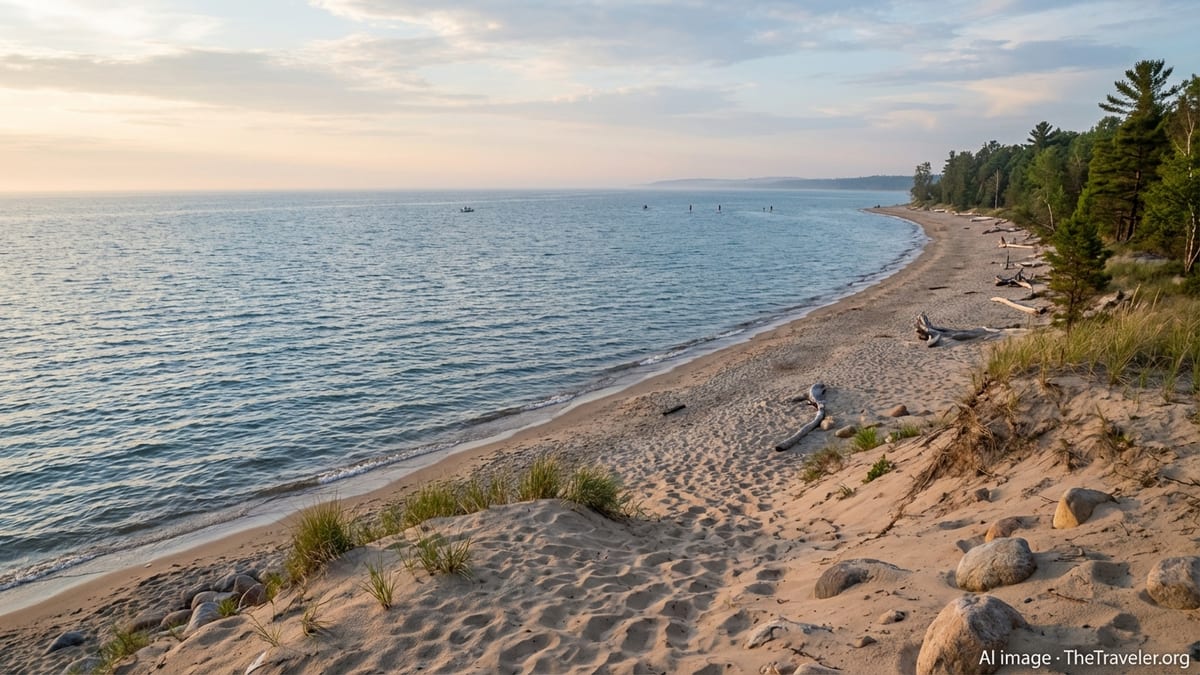
Above all, treat Lake Huron not as a single destination but as a collection of distinct but connected shores, towns, islands, and bays. You may come for well-known highlights such as famous lookouts or lighthouses, but some of your strongest memories may come from quieter moments: a wind-ruffled sunset from a small beach, the calm of a forest trail, the sound of waves on a cool morning. With the right planning and mindset, the lake’s scale becomes part of the adventure rather than an obstacle.
Q1. When is the best time of year to visit Lake Huron for warm weather?
The warmest and most reliable summer conditions usually fall from early July through late August, with comfortable swimming in many sheltered areas and most seasonal businesses open.
Q2. Is the water in Lake Huron warm enough for swimming?
Lake Huron remains relatively cool, but by mid to late summer many bays and shallower beaches become comfortable for most swimmers, especially on sunny, calm days.
Q3. How far in advance should I book accommodation in peak season?
For popular areas in July and August, booking several months ahead is wise, especially for waterfront cottages, campgrounds, and well-known resort towns.
Q4. Do I need a car to explore Lake Huron?
In most cases yes. Public transportation is limited, and a car or rental vehicle makes it much easier to reach beaches, trailheads, and smaller communities.
Q5. What should I pack for a summer trip to Lake Huron?
Pack light layers, swimwear, a windproof outer layer, sun protection, sturdy footwear, and a warm evening layer, since temperatures near the water can drop quickly.
Q6. Are there dangerous currents or waves on Lake Huron?
Yes, conditions can be hazardous at times. Strong currents, sudden waves, and cold water are possible, so always heed local advisories and posted beach warnings.
Q7. Can I combine U.S. and Canadian Lake Huron destinations in one trip?
Yes, many travelers do, but you will need proper border documentation and should allow extra time for crossings, especially on busy summer weekends and holidays.
Q8. Is Lake Huron a good destination in spring or fall?
Spring and fall can be excellent for quieter visits and hiking, but expect cooler temperatures, variable weather, and a more limited selection of open seasonal businesses.
Q9. What kind of weather should I expect in winter around Lake Huron?
Winters are cold, with snow, ice, and strong winds. Conditions can change quickly, so winter trips require careful planning, proper gear, and flexible timing.
Q10. Are there insects to worry about in summer near Lake Huron?
Insects such as mosquitoes and flies can be present, especially at dusk and in wooded or marshy areas, so bring repellent and consider light long sleeves and pants.
Mass Flight Chaos Strands Passengers Across Saudi Airports
Mass cancellations and delays at Saudi Arabia’s main airports have stranded hundreds of passengers as regional airspace tensions hit major international airlines.
Gulf Flight Chaos Opens Space for 1win’s VIP Evacuation Jets
Major Gulf and European carriers slash UAE services as war shuts airspace, while 1win’s private charters quietly airlift VIPs out of hotel and airport turmoil.
Partial Flight Restart at Dubai, Doha and West Asia Hubs
Major Gulf hubs in Dubai and Doha have cautiously resumed limited flights after missile strikes and airspace closures paralysed West Asia travel corridors.
US Shutdown Triggers Airport Turmoil as TSA Works Unpaid
A partial US government shutdown is causing unpaid TSA staff, three-hour security lines and rising flight delays as airlines press Washington to act.
Luxury Airlines Debut Suites and Premium Narrowbody Jets
Global airlines are rolling out private suites, mini-apartments and long-range narrowbody jets, reshaping what premium travel looks like at 35,000 feet.
Qatar Airspace Shutdown Triggers Major Disruption at Doha
Doha’s Hamad International faces unprecedented disruption as Qatar’s airspace shuts amid the Iran war, with only limited evacuation flights for stranded passengers.
Emirates Restores Full Dubai–UK Flight Network From March 2026
Emirates will operate a full schedule of direct flights from Dubai to major UK airports from March 2026, boosting capacity to London, Manchester and Birmingham.
MS Sirena Arrival Lifts New Mangalore’s Cruise Prospects
Oceania’s MS Sirena called at New Mangalore on March 8, 2026, underscoring the port’s rising cruise profile and its growing impact on tourism and local jobs.
Carnival Warns Cruisers Off Viral Balcony Sleeping Trend
Carnival Cruise Line is urging guests not to drag cabin mattresses onto balconies for viral videos, citing safety hazards, fines and strain on crew.
GOL’s New Rio–New York Route Redraws Brazil–US Air Map
GOL Airlines’ first long-haul route, a nonstop Rio–New York service launching July 2026, marks a strategic shift for Brazil’s aviation and tourism sectors.
interCaribbean Launches Barbados–St. Maarten Flights in March
interCaribbean Airways is adding a new nonstop Barbados–St. Maarten route from March 2026, strengthening regional links and boosting tourism and business travel.
A Global Hub of Travel Knowledge
Great! Check your inbox and click the link.
Sorry, something went wrong. Please try again.
A Global Hub of Travel Knowledge
Great! Check your inbox and click the link.
Sorry, something went wrong. Please try again.
Lake Huron Travel Tips: Timing, Weather, and Planning Advice – thetraveler.org
You Might Also Like

Estonia updates travel warning for Russia, highlights key risks – RBC-Ukraine

Dusseldorf Bound TUI Flight from Greece Makes Emergency Landing in Bari Airport, Suspends Operations, Diverts Ryanair, Red Sea Airlines and Wizz Air Flights from Rome, Patras, Budapest, Sharm El-Sheikh, New Update Europe Travel Industry and Summ – Travel And Tour World