
Published on February 15, 2026
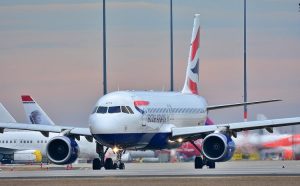
Image generated with Ai
In 2025, Kalispell joins Seattle, Portland, Detroit, and Glacier National Park in a shocking U.S. tourism collapse. This decline has left American destinations struggling to recover. The tourism industry, which had been bouncing back after the pandemic, now faces unexpected hurdles. Kalispell has seen a sharp drop in international visitors, especially from its Canadian neighbors. Similarly, cities like Seattle and Portland have experienced significant reductions in foreign travelers. Detroit has also suffered a blow, with declines in Canadian tourism hitting hard. Even the Glacier National Park, one of America’s most iconic destinations, is feeling the impact. This tourism slump is expected to reshape the future of American destinations for years to come. As challenges continue to mount, it’s clear that 2025’s tourism drop will leave a lasting mark on these key regions.
In 2025, the U.S. experienced a sharp decline in international visitors. According to the U.S. Travel Association, the number of inbound visitors dropped by 6% compared to 2024. This reduction occurred despite a rise in global tourism, where many other destinations saw growth in international arrivals.
This decline was a huge blow for a country that heavily relies on tourism for economic growth. The Department of Commerce reported that foreign visits were lower by nearly 14% in March 2025 alone compared to the same period the previous year.
But why did this happen? There are several factors, including government policies, shifting travel preferences, and increasing competition from other countries.
Advertisement
Advertisement
One of the biggest reasons behind the decline in U.S. tourism is the government’s policies. Under the Trump administration, the “America First” agenda led to stricter visa rules and increased tariffs on foreign goods. These measures made it harder for overseas visitors to come to the U.S. The visa application process became more complex, and travel fees increased, discouraging many from visiting the U.S.
Additionally, the increase in travel costs and longer waiting times for visas made it less attractive for international tourists to visit. For countries like Canada, which shares a long border with the U.S., this had a major impact, as many Canadians found it easier and more affordable to visit other destinations in North America.
Advertisement
Advertisement
Another key reason for the decline in U.S. tourism is a shift in travel preferences. Visitors from traditional markets such as Europe, Asia, and South America have become more selective about their travel destinations. Countries in Europe like Spain and France continued to attract more tourists in 2025, while the U.S. struggled to match that level of appeal.
Many international travelers are now looking for more affordable destinations or those with more cultural experiences, and the U.S. has not been able to compete with destinations offering better value for money and unique cultural attractions.
The tourism decline was felt most in cities that heavily depend on foreign visitors. Cities like Seattle, Portland, and Detroit were hit hardest by the drop in international tourists. These cities, which usually see a lot of visitors from Canada, Western Europe, and Asia, reported sharp declines in tourism revenue.
Seattle experienced one of the sharpest declines, with a reported drop of 27% in international overnight visitors in 2025. The decline in Canadian tourists, who are Seattle’s biggest foreign market, was especially noticeable. The high cost of travel and stricter entry rules made it more difficult for Canadians to visit, and many chose to explore destinations closer to home.
Similarly, Portland faced a 18% decline in international visitors. Portland, like Seattle, has a strong reliance on tourism from neighboring Canada, and the drop in Canadian arrivals had a direct impact on the city’s economy. The increase in airfares and travel restrictions made it harder for international tourists to visit, further hurting local businesses that rely on tourism.
Detroit saw a 17% drop in international tourism in 2025. The decline in visitors from Canada, as well as other international markets, was particularly damaging to the city. Detroit’s proximity to Canada usually makes it a popular stop for Canadians, but the travel barriers created by the government led to a decrease in the number of people making the trip.
Not only did the number of visitors drop, but so did the spending from international tourists. The U.S. Travel Association reported that international spending in the U.S. declined by 31% in 2025 compared to the previous year. This meant a loss of billions of dollars in revenue for the tourism sector.
Key sectors that felt the impact of reduced spending include:
Despite the setbacks in international tourism, some areas of the U.S. saw strong domestic visitation. Kalispell, Montana, is a prime example. The city reported an increase of 3.5% in domestic visitor spending in 2025, with $226 million in credit card transactions from U.S. travelers.
Local tourism agencies like Discover Kalispell are working hard to attract domestic tourists by offering promotions like discounted lift tickets to Blacktail Mountain Ski Area. The Montana Spartan Race, returning to Kalispell after a two-year hiatus, is another event expected to boost tourism in the city during the off-season.
Another challenge facing U.S. tourism in 2025 is the airport infrastructure issues. For example, Glacier Park International Airport in Kalispell, Montana, recorded an 11.6% increase in passenger traffic in 2025. However, runway upgrades planned for the summer of 2025 are expected to disrupt travel during peak tourist season.
From July 6 to July 31, the airport will be closed during peak hours, limiting flight availability. This will likely impact visits to Glacier National Park, one of the most popular destinations in the U.S. The U.S. Department of the Interior also plans to increase fees for international visitors to national parks, which may further discourage overseas travelers from visiting the U.S.
The decline in U.S. tourism in 2025 raises important questions about the future of the industry. Will the U.S. be able to recover and attract more international visitors in the years to come? Or will global competition and continued policy restrictions hinder the country’s ability to capitalize on the growing demand for travel?
The tourism industry in the U.S. faces an uphill battle. Government policies need to become more tourist-friendly, with simpler visa processes and better incentives for international travelers. At the same time, U.S. destinations must adapt to changing travel preferences by offering unique, cost-effective experiences that compete with other international destinations.
Tourism in the U.S. may have faced setbacks in 2025, but there are still opportunities for recovery. With the right policies and a shift in how destinations market themselves, the U.S. can regain its position as one of the top global destinations for travelers. For now, it’s crucial for cities and states to focus on attracting domestic visitors, while addressing the challenges posed by international barriers.
By rethinking tourism strategies, improving infrastructure, and offering unique travel experiences, the U.S. can start to reverse the declines of 2025. But this will require hard work, policy changes, and a renewed focus on the traveler experience. As the world of travel continues to evolve, so too must the United States’ approach to welcoming international visitors.
Source: Daily Interlake
Advertisement
Tags: american destinations, international visitors, Kalispell tourism decline, tourism collapse, U.S. tourism 2025

Subscribe to our Newsletters
I want to receive travel news and trade event updates from Travel And Tour World. I have read Travel And Tour World's Privacy Notice .
Monday, February 16, 2026
Monday, February 16, 2026
Monday, February 16, 2026
Monday, February 16, 2026
Sunday, February 15, 2026
Sunday, February 15, 2026
Monday, February 16, 2026
Monday, February 16, 2026