
Published on February 8, 2026
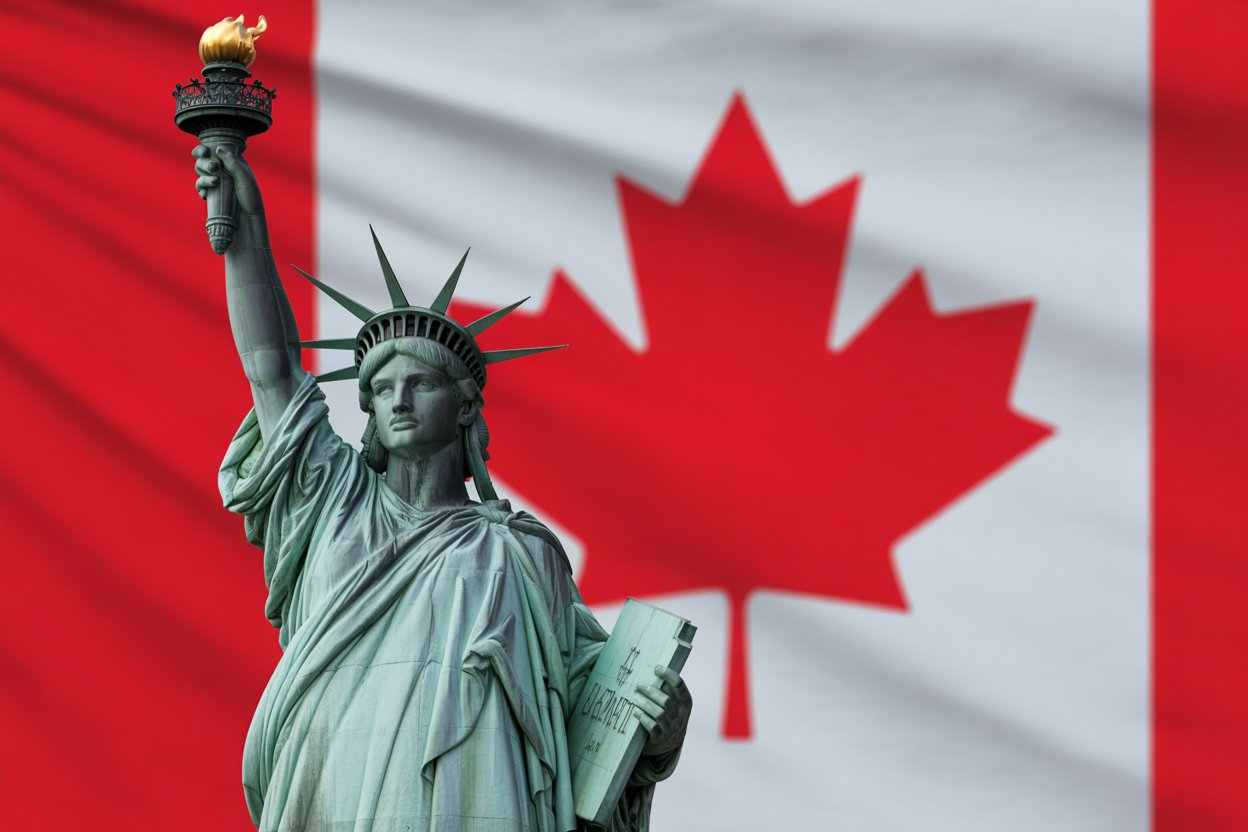
In 2026, Florida is joining California, Colorado, North Dakota, Montana, Iowa, and other U.S. states in a concerted effort to wooing back Canadian tourists after a 22 percent drop in 2025. This decline in Canadian tourism has had a significant impact on states heavily reliant on international visitors, with economic challenges, rising travel costs, and political tensions all contributing factors. To reverse this trend, these states are rolling out new measures aimed at appealing to Canadian travelers. From luxury marketing campaigns in California to sports tourism initiatives in Florida, each state is adapting its approach to ensure they remain attractive and accessible to Canadian visitors in 2026. The strategies vary, but all are focused on rebuilding relationships, addressing the challenges faced by travelers, and offering tailored experiences to entice Canadians back to the U.S.
Significant Decline in Canadian Tourism to the U.S.: A 22.1% Decrease

Canadian tourism to the United States has experienced a sharp decline, with a decrease of 22.1% year-over-year, dropping by 3,829,917 visitors. The total number of Canadian visitors to the U.S. now stands at 13,468,914 for the latest year, a significant dip from the previous period. This decline is one of the most notable in recent years, driven by a combination of factors that have affected cross-border travel.
The weakening of the Canadian dollar has made the U.S. a more expensive destination for many Canadians, limiting their ability to travel freely across the border. Additionally, ongoing trade tensions and political rhetoric have contributed to a cooler relationship between the two countries, further deterring travel. The implementation of more stringent U.S. visa requirements in early 2026 has also created barriers for many Canadians, leading to delays and frustration. These factors, combined with the effects of the global pandemic, have made Canadians more cautious about visiting the U.S. Despite efforts by various states to attract Canadian tourists, this sharp drop in visitation signals a need for U.S. tourism strategies to adapt and rebuild relationships with their northern neighbors.
Florida: The “Canadian Power Play” to Win Back Tourists

Florida has faced a significant drop in Canadian tourism, with numbers reaching their lowest point since 2021, largely due to political tensions and a weak Canadian dollar. To counteract this, the state is pulling out all the stops. Florida’s tourism agency, Visit Florida, is leading a direct-to-consumer campaign aimed at regaining Canadian visitors. As part of their efforts, Florida is using high-level diplomacy, with meetings between tourism leaders and Canadian officials to ensure that Florida remains seen as a “friendly neighbor” despite the political climate. In addition, targeted trade shows in Canadian cities like Toronto and Vancouver are focused on addressing safety concerns and highlighting Florida’s welcoming atmosphere. The state is also shifting towards sports tourism, with packages for events like MLB spring training, F1 Miami, and hockey games, knowing that sports fans are a strong draw for Canadians. On the digital front, Florida has launched a platform aimed at training Canadian travel agents to better “sell” Florida in the current environment. Through these tailored efforts, Florida hopes to win back Canadian visitors, offering them a refreshed, sports-focused experience.
Advertisement
California: Luxury and Entertainment Marketing to Recover Losses

Advertisement
California, a longtime favorite destination for Canadians, experienced a significant loss in tourism revenue, particularly in the summer of 2025, with an estimated $165 million in Canadian tourism revenue lost last July alone. In response to this setback, California is doubling down on luxury and entertainment marketing. The state is focusing on attracting wealthier Canadian visitors who can afford the higher costs associated with traveling to California. This strategy is in direct response to the drop in budget-conscious travelers who were deterred by the strong U.S. dollar and higher living expenses in California. By highlighting its world-renowned luxury experiences, including upscale resorts, fine dining, and exclusive entertainment options like Hollywood events, California is positioning itself as a high-end destination for Canadians. In addition to the luxury push, California’s tourism leaders are also ensuring that their iconic theme parks and celebrity experiences remain a key part of the marketing strategy, aiming to lure Canadians back with the promise of once-in-a-lifetime experiences.
Colorado: The “Outlier” Strategy to Lure Canadians

While many states have struggled with declining Canadian visitation, Colorado has actually seen steady demand. This has allowed the state to focus its efforts on the 150th anniversary celebrations in 2026, capitalizing on the milestone to boost tourism from Canada. A key component of Colorado’s strategy is Colorado–Canada Friendship Day, introduced by Governor Jared Polis. Held on March 13 each year, this day is specifically designed to signal to Canadians that they are seen as “family, not just tourists.” This sentiment is reinforced by a year-long calendar of anniversary festivals, including massive drone shows and enhanced cultural celebrations, all tailored to appeal to international crowds. These initiatives aim to establish Colorado as a friendly, welcoming destination, positioning itself as an attractive alternative to traditional U.S. winter getaways. With these unique cultural offerings, Colorado stands as a prime example of how a state can maintain and even grow its Canadian tourism base despite larger regional trends.
Advertisement
Advertisement
North Dakota & Montana: The “Red Carpet” Treatment to Entice Canadian Visitors

Advertisement
Advertisement
North Dakota and Montana have faced steep declines in Canadian tourists, particularly from Saskatchewan, where there was a 20% drop in cross-border traffic last year. To reverse this trend, both states are rolling out the “Red Carpet” treatment—hyper-local initiatives aimed at making Canadians feel special. Minot, ND, is leading the way, offering exclusive discounts at local businesses for Canadians simply showing their ID. These deals range from discounts at shops to deals on accommodations, making it easy for Canadians to return to the region without breaking the bank. Furthermore, both states are using value-focused marketing to attract price-conscious road-trippers, positioning themselves as the “affordable U.S. alternative” to pricier destinations like Florida or European hotspots. By emphasizing affordability and local hospitality, North Dakota and Montana aim to capitalize on Canadians’ desire for cost-effective, hassle-free travel, making them an attractive stop for budget-minded travelers.
Iowa: Converting Road-Trippers into Overnight Guests

Iowa, traditionally a “pass-through” state for Canadian tourists driving to Florida, is now working to convert road-trippers into overnight guests. By targeting Canadian travelers along major highway corridors, Iowa is running digital ads to entice Canadians to stop and spend more time in the state. This strategy involves promoting Iowa’s small-town charm, local attractions, and festivals that offer a unique slice of Americana. The goal is to capture the attention of Canadians who might be bypassing the state on their way south and turn their journey into a multi-day stay. Iowa’s targeted marketing efforts aim to position the state as a welcoming, affordable stopover for Canadians looking to break up the long drive to other destinations, offering a chance to explore at a slower pace and at a lower cost.
Advertisement
Advertisement
Advertisement
Advertisement
2026, Florida joins California, Colorado, North Dakota, Montana, Iowa, and other U.S. states in wooing back Canadian tourists after a 22 percent drop last year, using new campaigns and offers to address travel costs and economic challenges.
Conclusion
Florida and other U.S. states like California, Colorado, North Dakota, Montana, and Iowa are making significant efforts to win back Canadian tourists in 2026 after a 22 percent drop last year. Through new measures such as targeted marketing, affordable travel packages, and unique regional promotions, these states are addressing the challenges posed by rising travel costs, economic instability, and shifting travel preferences. As these states adjust their tourism strategies, their focus on making the U.S. a more attractive and accessible destination for Canadian travelers is key to reversing last year’s decline. With these efforts, they hope to rebuild relationships and encourage more Canadian visits throughout 2026 and beyond.
Advertisement

Advertisement
Tags: 2023 tourism recovery, 2026 Travel, canadian tourism, U.S. Tourism Strategies
Subscribe to our Newsletters
I want to receive travel news and trade event updates from Travel And Tour World. I have read Travel And Tour World's Privacy Notice .
Sunday, February 8, 2026
Sunday, February 8, 2026
Sunday, February 8, 2026
Sunday, February 8, 2026
Sunday, February 8, 2026
Sunday, February 8, 2026
Sunday, February 8, 2026
Sunday, February 8, 2026