Published on February 13, 2026
Germany’s tourism sector hit a new milestone in 2025, with 497.5 million overnight stays in accommodation facilities, marking an impressive increase compared to previous years. The surge was notably driven by domestic demand and a continuing boom in camping tourism. This year-end success reflects the growing importance of flexible, individualized accommodations and the rise of winter tourism, particularly in December, which experienced the highest number of overnight stays ever recorded. However, even as the industry flourishes, there are shifting trends in accommodation preferences, with a notable decline in traditional hotels, as more travelers opt for unique, nature-based stays.
Germany’s Tourism Boom: A Year of Record Highs
2025 was a standout year for German tourism, with 497.5 million overnight stays reported in total, surpassing the previous year’s figures by 0.3%. The growth was especially strong in December, when 32 million overnight stays were logged—3.6% higher than in the previous year. December’s success made it the busiest month in the history of Germany’s tourism sector, underlining the growing popularity of winter getaways and city breaks during the holiday season.
Changing Travel Preferences: The Rise of Camping and Alternative Stays
Despite the overall increase in tourism, traditional accommodations such as hotels, inns, and guesthouses experienced a slight decline in the number of overnight stays, down by 0.4% to 298.6 million. While this decline brings the figures closer to pre-pandemic levels (2019 saw 306.8 million overnight stays), alternative accommodations like campgrounds have seen a surge in popularity. Campsites enjoyed an impressive growth rate of 4.2%, reaching 44.7 million overnight stays, significantly outperforming traditional hotels.
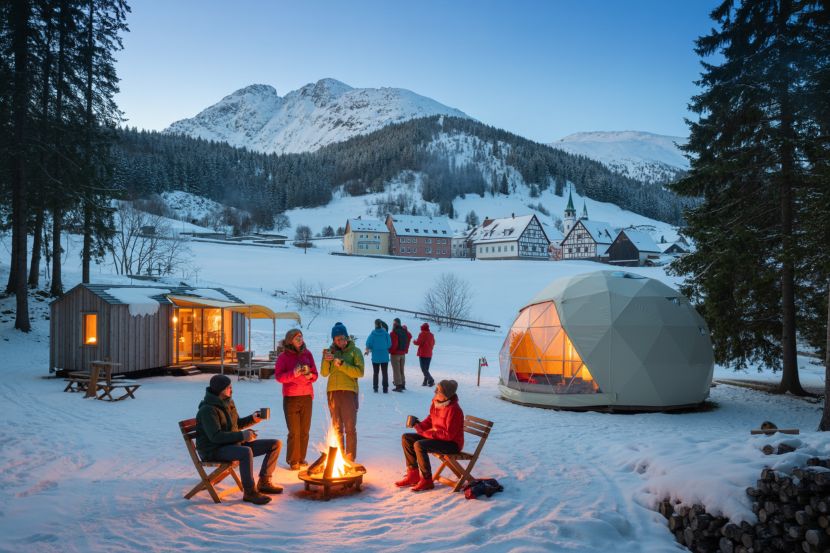
This ongoing trend toward more flexible, nature-centric experiences is reflective of a wider shift in tourism preferences, especially among domestic travelers seeking unique outdoor adventures. The growth of glamping and eco-friendly travel options has contributed to the increasing dominance of campsites, where nature lovers can indulge in both comfort and wilderness.
Advertisement
Domestic vs. International Tourism: A Divide in Visitor Origins
Advertisement
A closer look at the demographic breakdown reveals some interesting trends. Domestic tourism led the charge, with 413.7 million overnight stays, representing a 0.7% increase over the previous year. In contrast, international tourism saw a slight decline, with 83.8 million stays—a drop of 1.8% compared to 2024. Experts attribute this dip to the absence of special events like the European Football Championship in the summer of 2024, which had previously brought a significant influx of international visitors.
The share of international visitors in the total number of overnight stays has now decreased, from 17.2% in 2024 to 16.8% in 2025. While international tourists are still drawn to Germany’s historical landmarks, cultural festivals, and vibrant cities, the growing domestic tourism boom suggests that local travelers are becoming a dominant force in the German travel market.
Advertisement
Advertisement
Challenges in the German Tourism Sector
Advertisement
Advertisement
While the numbers are encouraging, Germany’s tourism sector faces its own set of structural challenges. Rising operating costs and staff shortages continue to burden the traditional hotel and restaurant industries. As the demand for personalized services rises, these challenges present an obstacle for businesses trying to meet new expectations in an increasingly competitive environment.
In response, travel businesses are pivoting toward more innovative offerings that align with travelers’ desires for individualized experiences. This trend includes expanding options for holiday rentals, more glamping sites, and services that cater to outdoor and wellness tourism. While the growth of such alternatives is promising, the financial strain on traditional establishments may require further adaptation to ensure their sustainability.
Advertisement
Advertisement
The Growing Appeal of Winter and City Breaks
Advertisement
Advertisement
One of the standout trends in Germany’s tourism market is the rise of winter tourism, especially in cities and cultural hotspots. With more visitors choosing short city breaks in the colder months, destinations like Berlin, Munich, and Cologne have become top choices for both domestic and international tourists looking to experience the charm of German cities during the holiday season. These breaks, with their festive markets and seasonal attractions, have cemented their place in the tourism calendar.
Winter tourism is proving to be a significant economic driver for the German travel economy, benefiting accommodation providers and local businesses alike, especially in major cities and ski resorts in the Bavarian Alps.
Travel Tips for 2026: Embrace Flexibility and Eco-Friendly Stays
As Germany’s tourism industry continues to thrive, travelers can expect even more diverse options when it comes to places to stay and explore. If you’re planning your trip to Germany in 2026, here are some top tips to make the most of your visit:
- Explore Nature with Camping: With the boom in camping tourism, consider staying at a glamping site or a sustainable campsite. These provide a blend of nature with comfort, and many are located in stunning rural areas.
- Opt for Winter City Breaks: Don’t miss the chance to visit Germany’s cities in winter. The festive atmosphere and historical sites are especially magical during the holiday season.
- Book Early: As domestic tourism continues to surge, booking your accommodation in advance, especially in popular cities and ski resorts, will ensure you secure the best spots.
- Discover Germany’s Hidden Gems: Beyond the bustling cities, consider visiting Germany’s less-traveled destinations for a unique experience. Towns like Rothenburg ob der Tauber and Goslar offer a taste of traditional Germany.
Unveiling the Future of Germany’s Tourism Landscape
As we look ahead, Germany’s tourism sector is set to evolve with increasing demand for individualized and nature-based experiences, while still maintaining its reputation as a top cultural destination in Europe. The rise of camping and glamping will continue to shape the future of travel in Germany, while winter tourism and city breaks will remain significant contributors to the national economy. For those planning a trip, Germany offers a diverse range of experiences, from vibrant city escapes to peaceful retreats in nature.
Whether you’re a nature enthusiast, a history buff, or a city wanderer, Germany in 2026 is set to offer something for every kind of traveler.
Advertisement
Tags: camping boom Germany, German Travel Trends, Germany tourism growth, glamping tourism, travel tips Germany

Advertisement
Tags: camping boom Germany, German Travel Trends, Germany tourism growth, glamping tourism, travel tips Germany
Subscribe to our Newsletters
I want to receive travel news and trade event updates from Travel And Tour World. I have read Travel And Tour World's Privacy Notice .
Friday, February 13, 2026
Friday, February 13, 2026
Friday, February 13, 2026
Friday, February 13, 2026
Friday, February 13, 2026
Friday, February 13, 2026
Friday, February 13, 2026
Friday, February 13, 2026