
Published on March 27, 2026
Image generated with Ai
A growing number of travellers are seeking destinations where summer still feels crisp, and where mountain air, cold seas and high latitudes keep temperatures low even in July and August. In Europe, several regions offer this kind of coolcation experience, combining easy international access with climates that resemble late autumn or even winter when much of the continent is baking in the heat. The following destinations are being highlighted as ideal bases for those who want to enjoy fresh air, snow‑tipped peaks and chilly coastlines while still making use of long summer days and strong transport links from the United States.
Image generated with Ai
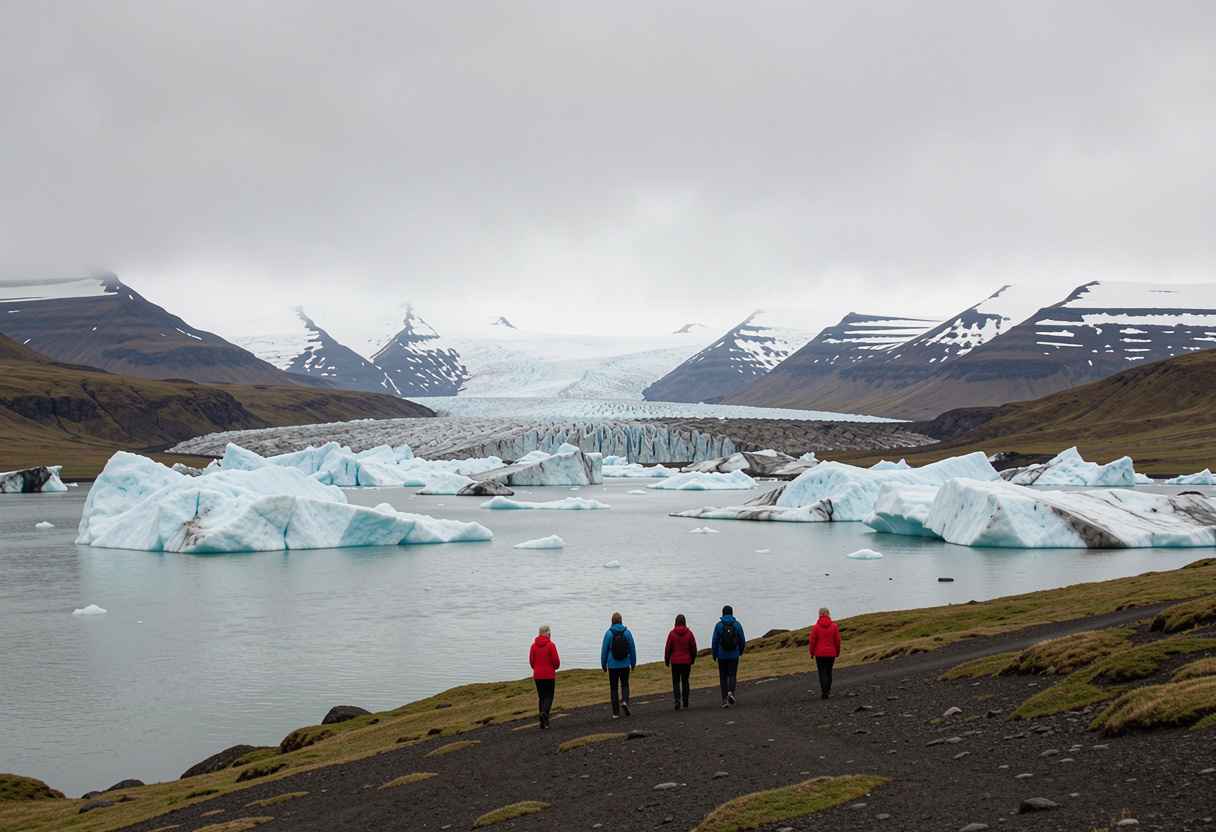
Across Iceland, summer daytime temperatures tend to rest in a band around ten to fifteen degrees Celsius, so days remain crisp rather than hot, especially along the coasts and in the north. This cool baseline is reinforced by the presence of glaciers, seasonal ice caves, strong windchill on boat trips and the distinctive light of high latitudes, all of which combine to give a clearly winter‑like feel even when the calendar shows July or August. Reykjavík, the capital, embodies this climate with its grey seas, fresh winds and quick access to volcanic interiors and icy highlands, so the city rarely feels like a conventional summer destination.
For international visitors, Keflavík International Airport serves as the main gateway and is connected nonstop to several major United States hubs, including cities such as New York and Boston. From Keflavík, travellers are usually transferred into Reykjavík and then have the choice of touring the rest of the island by road or joining domestic flights. Those flights provide links to cooler northern bases such as Akureyri, where Arctic‑influenced landscapes, waterfalls and cold fjords make temperatures and conditions feel even more wintry than in the south.
Western Norway’s fjord country, including regions reached from Bergen, Geiranger and Ålesund, remains relatively cool through the summer months. Even when valley temperatures climb into the mid‑teens Celsius, higher viewpoints, hiking lookouts and open boat decks quickly feel cold and windy once the breeze picks up over the water. Snow remains visible on surrounding peaks well into the warmer season, and glacier hikes are possible in several fjord areas, reinforcing a strong sense of winter in the landscape.
Advertisement
Advertisement
Bergen itself acts as the main urban gateway to these fjords and to many of the cooler mountain trips in western Norway. The city is known for its wet, relatively chilly summers, which are often promoted as a welcome contrast to heat waves further south in Europe. Frequent rain, sea breezes and nearby peaks keep temperatures modest and conditions fresh throughout much of the summer. Bergen Airport can be reached from the United States via major European hubs or via Oslo, and the city is widely used as a starting point for fjord cruises and scenic rail journeys into interior areas such as Voss, where the climate stays cool and outdoors oriented.
In the Bernese Oberland, particularly around Jungfraujoch and the Jungfrau region, higher elevations are consistently described as cool to outright cold in summer. Glacier breezes, thin air and regular winds mean that jackets and extra layers are often needed even when the sun is shining down on the mountain plateaus. The area is home to the Aletsch Glacier, and visitors frequently encounter snowfields and wide icy panoramas that feel fully wintry during peak holiday months.
Advertisement
Advertisement
Interlaken sits in a more temperate valley setting between lakes, but is heavily used as a base because short rail and cable‑car journeys carry visitors up to Jungfraujoch and other high Alpine viewpoints. At those heights, snow and ice remain in place year round and temperatures sit close to freezing, providing a strong winter contrast to warmer lowlands. Travellers from the United States usually fly into Zurich or Geneva and then rely on Switzerland’s efficient rail network, using routes such as Zurich to Bern to Interlaken to reach this gateway town before heading upward into the cold.
Across Alpine regions in Austria, Switzerland, Italy and France, summer is known for mild valley conditions and much colder weather at altitude. In many valleys, typical daytime temperatures fall around fifteen to twenty five degrees Celsius, but as soon as cable cars, lifts or trails lead into the high mountains, the air cools dramatically. Summer temperatures at altitude can drop to around five to fifteen degrees Celsius, and snow often remains on summits and ridges, while brisk, dry mountain air makes conditions feel distinctly wintry.
Resorts throughout these ranges grant access to high peaks, glaciers and cold lakes, which are particularly attractive to travellers who prefer layering up and hiking in cool air rather than spending days on hot beaches. In Norway, the town of Voss complements these classic Alpine regions as another cool‑climate adventure base. It is known for alpine lakes, rivers and surrounding peaks that shape its scenery, and even during the warmest weeks of the year the local weather stays fresh and frequently jacket‑worthy, especially for outdoor sports. Visitors from the United States generally fly into Bergen or connect via Oslo, and then continue by train along the Bergen Line to reach Voss, which is tightly integrated into the national rail system.
Image generated with Ai
The Scottish Highlands, encompassing the West Highlands, the Cairngorms and other upland areas, are consistently recognised as one of Europe’s coolest summer regions. Many locations there struggle to reach twenty degrees Celsius even in mid‑summer. Mist, frequent rain, strong winds and heavy cloud cover combine to create a moody, cold‑weather feel across large stretches of the season. For that reason, layers and waterproofs are routinely recommended for July and August trips.
Inverness serves as a key gateway town into the Highlands and provides access to lochs, glens and mountain landscapes that maintain their cool character all summer long. Conditions across these landscapes often resemble early spring or late autumn more than the height of summer, particularly during unsettled spells. Visitors from the United States commonly fly into London or directly to Edinburgh or Glasgow before connecting by air or train to Inverness to begin a cooler‑weather itinerary through northern Scotland.
The Faroe Islands offer some of the lowest average summer temperatures in Europe, often hovering close to ten degrees Celsius. Strong winds and frequent fog rolling in from the North Atlantic are typical features of the climate. Dramatic cliffs, grey seas, grassy hillsides and a cool oceanic environment work together to create an unmistakably off‑season, almost winter‑like ambience even when the calendar shows high summer.
Conditions on the islands are usually described as cool, windy and often overcast, which particularly appeals to travellers seeking stark, atmospheric settings rather than sun and sand. Tórshavn, the main town, is served via Vágar Airport, which connects to hubs such as Copenhagen and Edinburgh for passengers arriving from the United States. Once at Vágar, straightforward road links allow onward travel around the archipelago while the consistently cool weather continues to define the experience.
Coastal northern Norway, including the Lofoten Islands and the Tromsø region, is marketed as a cool summer alternative to southern Europe. Typical summer highs remain in the low teens Celsius, often supported by fresh winds off the sea. The midnight sun brings almost continuous daylight, but the air, visible snow patches on surrounding mountains and very cold ocean temperatures combine to create a paradoxical bright yet wintry sensation.
In Lofoten, dramatic cliffs, cold seas and rapidly changing weather add to the impression that seasons are blended together. Water and air temperatures stay low even at peak summer, and snow remnants often linger on higher slopes and ridges. Travellers from the United States usually fly first to Oslo and then continue north to Tromsø Airport on frequent domestic services, or travel onward to Bodø and then by plane or ferry to Lofoten hubs such as Svolvær or Leknes. This routing makes Arctic coastal landscapes accessible while preserving their strong cool‑weather character.
The Low and High Tatras of Slovakia stand out as surprisingly cold for summer because of their altitude and mountain climate. Even during July and August, higher trails and ridge routes can feel distinctly chilly, and jackets are commonly needed for hikes or longer walks. Glacier‑fed lakes and sharp, rocky peaks intensify the winter‑style atmosphere and help create a strong sense that visitors are travelling in a shoulder season environment even at the height of the year.
Towns and resorts in the region function as bases for exploring both the gentler Low Tatras and the steeper High Tatras. Cooler temperatures and frequent mountain breezes are a feature of both ranges, making them well suited to travellers who enjoy crisp air and dramatic terrain. Visitors from the United States typically fly into a major European hub, then on to cities such as Kraków or Bratislava before continuing by train or road into the Tatras.
Image generated with Ai
Mountain resorts in Slovenia, Austria and northern Italy are promoted as cooler alternatives to overheated Mediterranean beaches. Average summer temperatures around eighteen degrees Celsius in locations such as Alta Badia, high valleys in Carinthia and the Triglav area create a consistent mild‑to‑cool baseline. These regions also offer easy access to snow‑tipped peaks and cold mountain lakes, which maintain a distinctly fresh feel even when lower‑lying parts of Europe are experiencing heatwaves.
Lake Bohinj, set in Slovenia’s Julian Alps, is frequently highlighted as an offbeat Alpine lake destination ideal for travellers who prefer cold, clear water and surrounding peaks to crowded coastal resorts. Summer temperatures around the lake remain moderate and often resemble conditions more typical of early autumn elsewhere. Travellers from the United States usually connect via major European hubs to Ljubljana Jože Pučnik Airport or nearby international airports, then continue by bus, shuttle or car to Bohinj and other Alpine resorts, where the cooler climate becomes an integral part of the trip.
The Baltic Sea coasts and islands of Estonia, Latvia and Lithuania are recognised as some of Europe’s cooler seaside destinations. Temperatures there are more moderate than in central and southern Europe, and frequent breezes blow in from the sea. Even in midsummer, evenings can be cold enough to require coats, and the Baltic water itself remains far from warm, ensuring bracing rather than relaxing swims.
The combination of cool air, steady winds and low sea temperatures means that the overall feeling is closer to early spring or late autumn than to a classic hot beach holiday. Coastal towns and islands across these three countries offer long daylight hours and a calm seaside environment, appealing strongly to travellers who value fresh, crisp conditions when much of the continent is experiencing intense heat.
Reykjavík acts as the primary urban base for exploring Iceland’s cool landscapes, with summer highs around ten to fifteen degrees Celsius, maritime air and easy access to glaciers and lava fields. Keflavík International Airport connects the city directly to several United States hubs, which makes it a convenient entry point for North American travellers. North Iceland, centred on Akureyri, can then be reached by domestic flights from Reykjavík Airport, offering even cooler conditions, Arctic‑like scenery and cold fjords that keep the climate firmly in jacket‑weather territory.
In western Norway, Bergen and Voss together form a connected cool‑weather corridor. Bergen’s well known pattern of wet, chilly summers and frequent rainfall makes it a natural first stop for travellers seeking relief from high temperatures. From there, Voss offers a more inland, highland style profile, complete with alpine lakes, rivers and encircling peaks that help maintain fresh conditions during the warmest weeks. Train services along the Bergen Line provide an easy link between the two, so visitors who fly into Bergen Airport or via Oslo can combine city, fjord and mountain experiences while consistently staying within a cool climate band.
Advertisement
Tags: Akureyri Iceland, Baltic Sea coast, Bergen Norway, cold summer destinations, cool weather holidays
Advertisement
Advertisement

Subscribe to our Newsletters
I want to receive travel news and trade event updates from Travel And Tour World. I have read Travel And Tour World's Privacy Notice .
Friday, March 27, 2026
Friday, March 27, 2026
Friday, March 27, 2026
Friday, March 27, 2026
Friday, March 27, 2026
Friday, March 27, 2026
Friday, March 27, 2026
Friday, March 27, 2026