
Railway Supply » Railway News »
Share
01.02.2026
Every winter, snowbirds escaping the Midwest brace for the same cycle: weather-driven flight delays, crowded terminals, and plans that start slipping right as the move south begins.
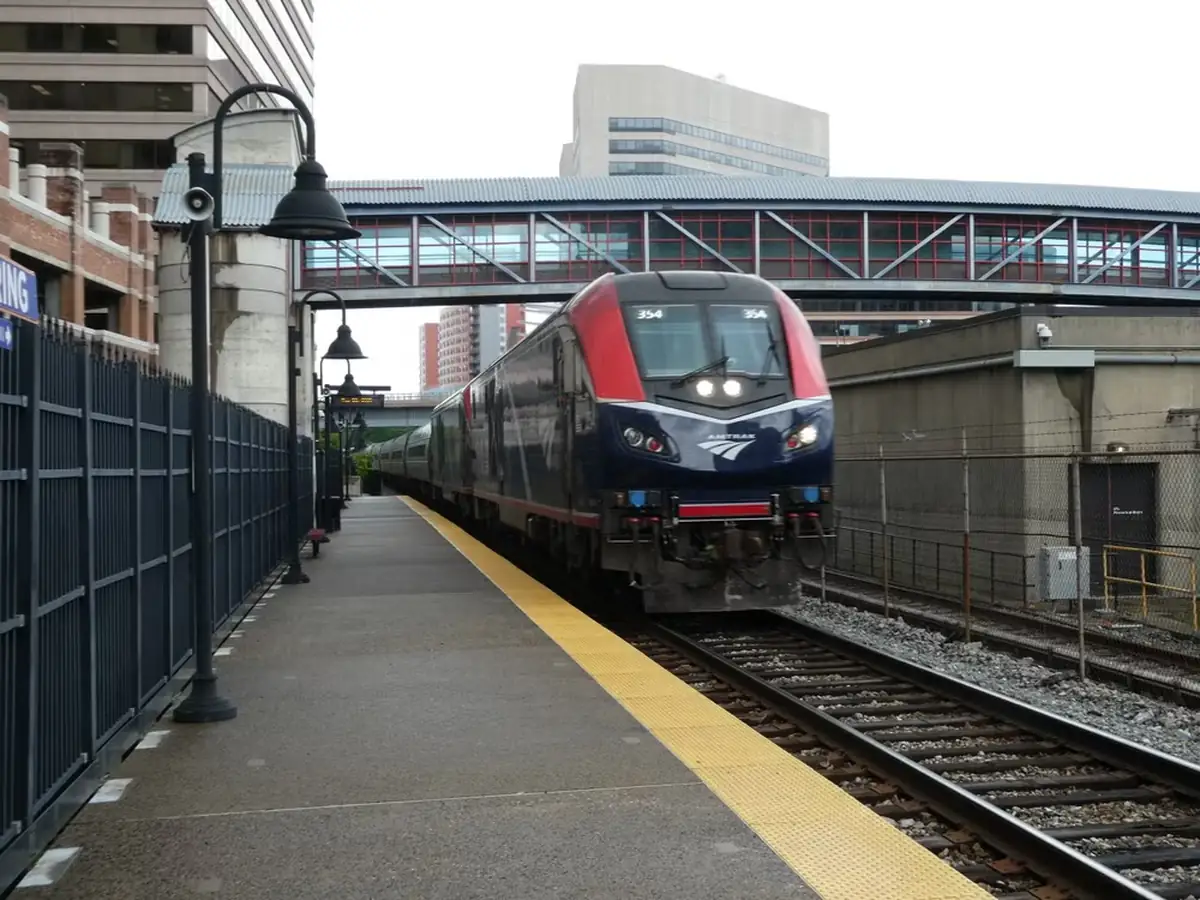
Amtrak Floridian route offers a different way to reach Florida—a continuous train ride from Chicago to Miami that keeps the trip straightforward, without the usual airport hassle.
Known as the Floridian, this daily long-distance Amtrak service connects Chicago and Miami in one seat for roughly 2,076 miles and just under two days of travel. Rather than switching trains or dealing with busy hubs like Washington, D.C., passengers board in the Midwest and stay onboard all the way to South Florida.
The setup exists because Amtrak merged the Capitol Limited and the Silver Star into a single line, as outlined on the Amtrak Floridian route page. What used to require a connection is now a one-seat long-distance train to Florida that runs from the industrial heart of the Midwest to the subtropical edge of the Atlantic. Over nearly two days, the trip crosses major cities and changing landscapes, letting the distance unfold instead of rushing past it.
The Floridian’s appeal is closely tied to its scale. Spanning multiple regions and time zones, the journey moves at a slower rhythm, with daylight stretches that spotlight scenery and overnight segments that underline how far the train is really going.
Don’t miss…TSB investigation CN derailment near Vanderhoof, B.C.
Onboard, comfort is framed around space and continuity. Coach seating offers more legroom than economy flights, and the long format makes it easier to stand up, stretch, and move around during the day.
Sleepers are part of the draw as well. Viewliner roomettes and bedrooms turn overnight travel into real rest, and Traditional Dining adds a full-service kitchen with hot, chef-prepared meals—an upgrade for travelers on the former Capitol Limited portion of the route. With large windows lining the train, the view becomes the main event as cities, forests, rivers, and southern lowlands slide by.
For snowbirds, winter storms in the Midwest can ripple through airline schedules, turning a straightforward trip into delays, cancellations, and long waits. Against that backdrop, train travel can feel like a steadier alternative. Driving may offer control, but it also demands endurance on icy highways and busy interstates like I-65 and I-75.
The Floridian offers a calmer option once you’re onboard. The trip moves forward without constant re-planning, and the transition toward warmer weather happens gradually. It also speaks to long-distance travelers drawn to “slow travel,” where the journey itself is part of the point.
The route passes through a wide cross-section of U.S. regions, moving from industrial Midwest cities through the Allegheny Mountains and into the Southeast. Places like Cleveland and Pittsburgh give way to Washington, D.C., then to softer landscapes and university towns in the Carolinas, followed by Savannah and Jacksonville, before reaching the Florida peninsula. By the time the train approaches MiamiCentral Station, the view shifts from steel-clad bridges in the North to the Spanish moss of the Deep South.
Many seasonal travelers already know the Lorton-to-Sanford Auto Train, but the Floridian serves a different need. It provides a direct Chicago-to-South Florida link for riders starting much farther west.
Despite growing attention, the Floridian was never introduced as a permanent part of Amtrak’s long-distance network. It was designed as a temporary service tied to the East River Tunnel Rehabilitation Project in New York City, a shift also covered in Railway Supply’s reporting on the tunnel rehab.
That multi-year effort began in earnest in 2025 and is expected to continue through 2027. Amtrak reconfigured service to reduce train movements through the tunnels while one tube is closed at a time, and the combined Chicago–Miami service that now operates as the Floridian is one outcome of that reshuffling.
Equipment strategy also weighs on the route’s future. Long-distance trains rely on a limited pool of cars, and the Floridian uses single-level Viewliner and Amfleet II equipment. By merging routes, Amtrak could free up bi-level Superliner cars—currently in short supply—for Western services such as the Empire Builder and the California Zephyr.
Long-term planning matters, too. Amtrak evaluates potential restorations and new corridors through its Long-Distance Service Study, and the Floridian is only one possible configuration. Once the East River Tunnel project concludes and new equipment from the Amtrak Airo or long-distance fleet replacement orders begins to arrive, the agency could revert to the old Capitol Limited and Silver Star structure—or adopt a different service pattern.
The Floridian works best for travelers who are comfortable letting a journey unfold over time. It isn’t positioned as the fastest way to reach Florida; it’s a spacious, continuity-first trip for people who want the experience of the route itself.
For winter travelers, that can be practical during periods of flight disruption. Baggage rules add to the appeal: passengers can bring two carry-on bags and two personal items for free, and many stations offer two additional free checked bags—useful for snowbirds who tend to travel heavily.
If a sleeper is out of budget at first, riders can consider the Amtrak BidUp program, which allows bids on unsold roomettes or bedrooms closer to departure. Coach remains a solid option for flexible schedules, with generous legroom and the freedom to move around.
Long-distance rail, however, comes with a different approach to timing. Trains share tracks and can be affected by weather and freight traffic, so schedules may shift. Experienced riders build in flexibility and treat arrival times as approximate. For real-time updates, travelers can track the trip in the Amtrak app, and the Floridian’s 47-hour schedule includes buffer stops designed to absorb minor delays.
For travelers choosing time over speed, Amtrak Floridian route is a rare one-seat ride that turns the trip south into part of the vacation—while it lasts.
News on railway transport, industry, and railway technologies from Railway Supply that you might have missed:
Don’t miss…TSB investigation CN derailment near Vanderhoof, B.C.
Similar Railway News
01.02.2026
Amtrak “Trak Suits” Launch With NextGen Acela Rollout
29.01.2026
Amtrak Empire Service restoration set for March return
29.01.2026
Amtrak first-quarter results set records as challenges mount
29.01.2026
AmeriStarRail overnight train proposal targets Amtrak fleet
Previous Railway News
01.02.2026
Amtrak “Trak Suits” Launch With NextGen Acela Rollout
01.02.2026
Northern charity service set for Weardale Railway run
01.02.2026
Union Pacific grain lawsuit targets $500 interchange fee
01.02.2026
New York MTA capital commitments hit record $15.8B in 2025
Subscription to email newsletter
Thank you!