A new Congressional Research Service report finds that international tourism to the United States is declining at a moment when travel to the rest of the world is setting records, and a cluster of Trump administration policies are named as key contributing factors.
The United States is losing ground in the global competition for international visitors, and the timing could not be worse. The 2026 FIFA World Cup is weeks away. The 2028 Olympics are on the horizon. Both events represent what the CRS report calls a “diplomatic and soft power opportunity.” But each event is now shadowed by concerns over whether the U.S. can process visas fast enough, and whether foreign visitors will want to come at all.
It’s a collision between two sets of priorities, with the administration’s border security and immigration enforcement agenda on one side, and the economic and diplomatic value of welcoming foreign visitors on the other.
Through May 2025, year-to-date international arrivals to the United States were down 2.4 percent from the same period in 2024. By July, overseas arrivals had dropped 3.1 percent, with losses concentrated among visitors from Western Europe and Asia. For all of 2025, the total number of foreign tourists entering the U.S. fell approximately 5.5 percent compared to the prior year, particularly striking because 2025 was a record-breaking year for international tourism everywhere else.
An analysis cited in the report found that 46 percent of travelers said they were less likely to visit the United States, a data point that underscores just how much of the inbound tourism decline reflects perception and deterrence, not just logistics. The CRS report identifies several compounding factors driving the slowdown in visitor arrivals to the United States:
Each of these factors, the report suggests, is operating simultaneously, making it difficult to isolate any single cause while making the aggregate effect harder to reverse.
Perhaps the most striking finding involves a piece of legislation that received little public attention. The administration signed P.L. 119-21, the FY2025 reconciliation act, which cut the cap on annual federal matching funds for Brand USA from $100 million down to $20 million. Brand USA is the public-private entity responsible for promoting travel to the United States internationally.
That’s an 80 percent reduction in federal support for inbound tourism promotion, made at precisely the moment the U.S. is losing tourist traffic to global competitors. The timing has drawn scrutiny, with critics arguing the cut is working against the administration’s own economic growth goals.
The report also flags the Presidential Proclamation 10998, effective January 1, 2026, which suspended visa issuance to certain foreign nationals. Combined with the June 2025 travel ban covering nationals from 19 countries, the cumulative effect on inbound tourism developments has been noticeable.
The Visa Waiver Program, which allows nationals from 42 countries to visit the U.S. for up to 90 days without a visa, is also under scrutiny. A proposed five-year social media review for VWP travelers, if enacted, could lengthen processing times further and add another layer of apprehension for prospective visitors. Israel and Qatar were recently added to the program, but the report suggests the program’s overall appeal may be diminishing amid the broader policy environment.
For the Administration
The report creates an uncomfortable narrative. Policies designed to tighten border security and immigration enforcement are being directly linked to a measurable decline in an industry that generates significant economic activity. The Administration will face pressure to explain how it reconciles those priorities, particularly with the World Cup beginning this summer and international attention focused squarely on the United States.
For Republicans
The Brand USA funding cut tucked into a reconciliation bill is the kind of policy decision that can become a political liability if tourism numbers continue to fall ahead of major international sporting events. Members representing states with heavy tourism economies, Florida, California, New York, Nevada, will be watching visitor arrivals data closely.
For Democrats
The report provides a ready-made argument that the administration’s immigration posture is costing the country economically, not just in abstract terms but in trackable and declining visitor statistics. Expect the tourism data to surface in oversight hearings and on the campaign trail.
For the Public
International tourism supports jobs across hospitality, transportation, retail, and entertainment. A sustained decline in visitor arrivals to the United States translates into real economic consequences for workers and businesses in those sectors.
The United States is underperforming in global tourism at a moment when the rest of the world is setting international travel records. Multiple administration policies, taken together, are identified as contributing to that underperformance.
With the 2026 World Cup imminent, Congress and the Administration face a narrow window to address visa processing backlogs, and to reconsider whether the current policy mix is working against U.S. economic and diplomatic interests.
Access the Legis1 platform for comprehensive political news, data, and insights.
Daily alerts, original reporting, and intelligence customized to the lawmakers, organizations, and issues you track.
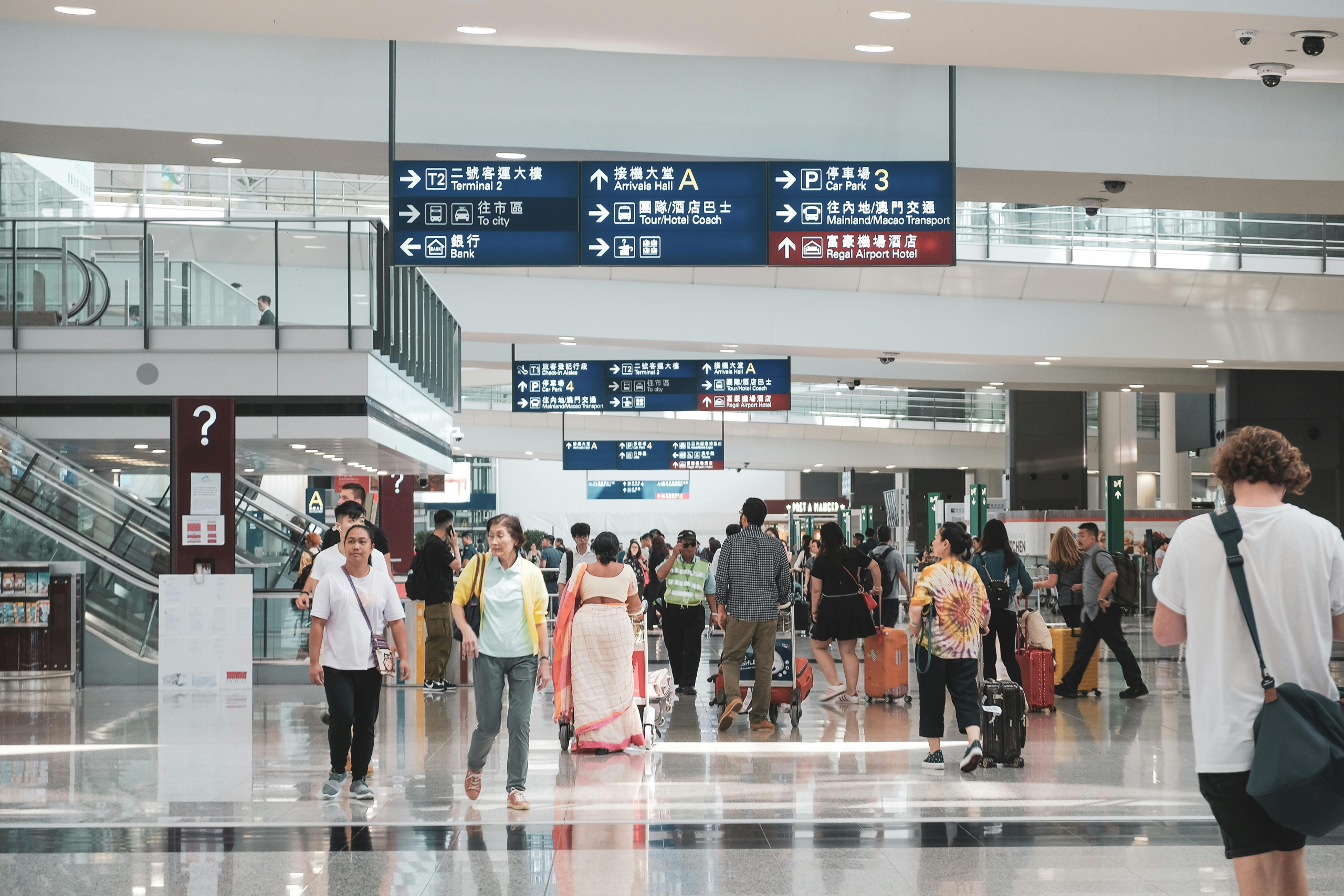
U.S. International Tourism Declining While World Travel Destinations Set Records – Legis1
You Might Also Like

Turbulence is getting worse. Here's what passengers should know before summer flights. – USA Today

The best whiskey trips in the U.S., according to a spirits writer – The Washington Post
