
Published on March 21, 2026
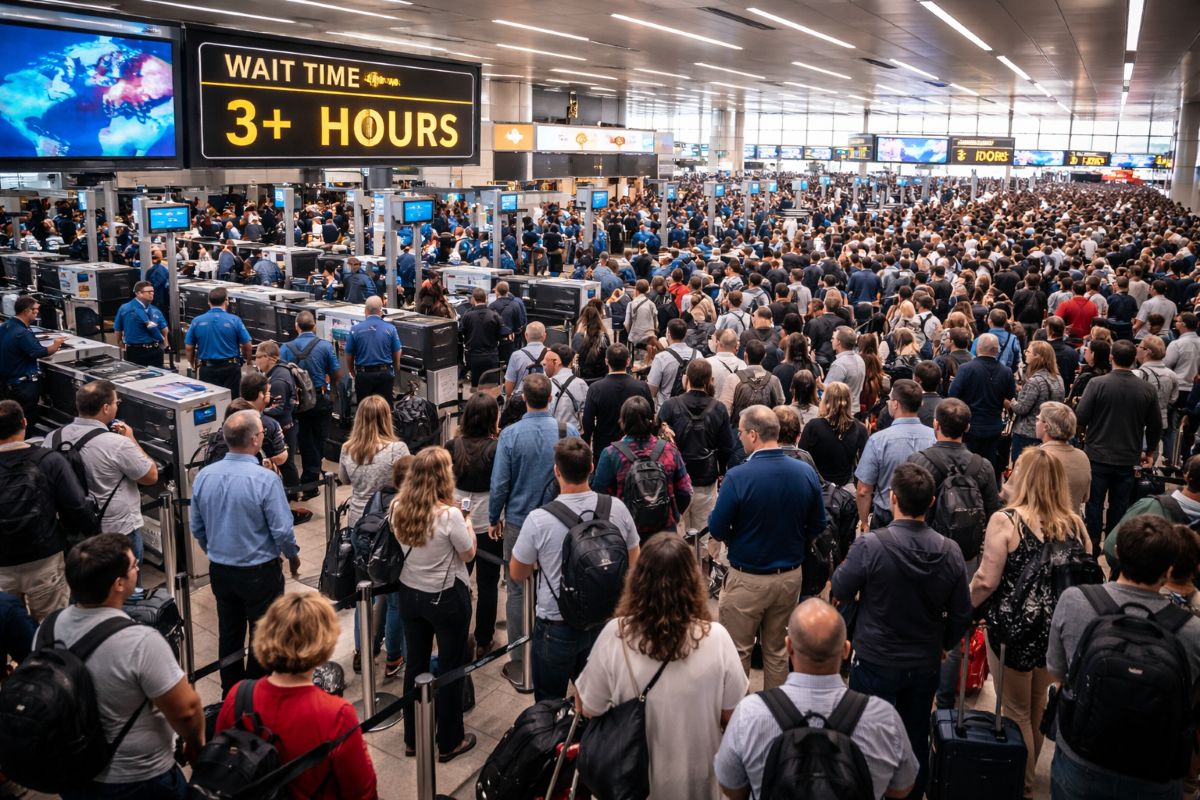
Image generated with Ai
The US aviation sector is facing a severe TSA crisis that has left passengers stranded, flights delayed, and air travel in chaos at some of the nation’s busiest airports. On March 21, 2026, the Transportation Security Administration (TSA) was hit by a staffing shortage and equipment failures, triggering four-hour-long delays at William P. Hobby, George Bush Intercontinental, and Louis Armstrong New Orleans airports.
Image generated with Ai
The crisis began early in the morning, when William P. Hobby Airport (HOU) in Houston experienced an alarming 3.5-hour wait time at TSA security checkpoints. By 8:45 AM Central Time, the airport was overwhelmed, and numerous Southwest Airlines and United Airlines flights were grounded for up to two hours.
At George Bush Intercontinental Airport (IAH), international departures faced even longer delays. A complete failure of TSA’s screening technology caused bottlenecks that affected more than 22,000 passengers, especially those traveling internationally. With 35% of TSA staff absent, there was chaos in the security lines. Airlines like American Airlines and United Airlines had to reroute passengers, and the FAA issued warnings for Houston-bound flights.
Meanwhile, Louis Armstrong New Orleans International Airport (MSY) faced a staffing shortage that resulted in emergency boarding protocols. The TSA was operating with only 40% of the scheduled agents, creating an extensive ripple effect on airlines such as Southwest, United, and American Airlines.
Advertisement
As the security crisis worsened, the FAA issued a Category 3 aviation incident notice, indicating the seriousness of the disruptions. The ripple effect of the delays and cancellations spread across multiple major US hubs.
By mid-morning, over 120 flights were delayed at William P. Hobby, and over 22,000 travelers at George Bush Intercontinental were impacted. The Louis Armstrong New Orleans airport reported a total of 10,700 affected passengers.
Advertisement
Advertisement
These disruptions affected other major airports including Hartsfield-Jackson Atlanta, Dallas-Fort Worth, and Miami International, with some facing up to 2-hour delays, compounding the chaos. Passengers were left stranded in airports as airlines scrambled to find alternate routes.
The US Department of Transportation (DOT) reported that 47,000 passengers were affected across the three hubs during the peak of the crisis. Thousands of passengers found themselves stranded, missing connections, and waiting up to 4 hours at the airport before they could proceed through security.
Advertisement
Advertisement
Travelers who missed connections and faced extended delays were advised to arrive early at airports—four hours for domestic flights and five hours for international departures. Airlines including Southwest Airlines, United Airlines, and American Airlines began offering rebooking flexibility until March 24, 2026.
In response to the crisis, the TSA activated emergency staffing from nearby airports to reinforce security operations, but with minimal success. Despite their best efforts, staff absences continued to hinder screening efficiency. The Federal Aviation Administration (FAA) also intervened by coordinating ground stops at Houston airports.
The Department of Homeland Security (DHS) promised to carry out a comprehensive staffing review, but officials stated that a full recovery of operations wouldn’t be achieved until March 22. Many airlines are now advising travelers to check flight status regularly through apps such as FlightAware for real-time updates.
Here’s a traveler’s action checklist for those affected by the TSA crisis:
Note: Airlines must provide rebooking at no extra charge for passengers on cancelled flights under DOT regulations.
As TSA crews work to restore full staffing, partial delays are expected to continue into March 22, but officials expect normal operations to resume by the afternoon.
This TSA staffing shortage marks a critical juncture in the US aviation industry. As spring break crowds surge and summer travel picks up, the TSA’s ability to handle increased passenger numbers will come under increased scrutiny. For now, travelers are advised to stay patient, keep checking for updates, and be prepared for continued disruptions.
For the most accurate and up-to-date information, contact your airline directly through their official customer service channels, and stay informed about airport security wait times through FlightAware or TSA updates.
The ongoing TSA staffing crisis has led to widespread flight delays and disruptions across several major US airports, significantly affecting both domestic and international travel. As we approach the peak of the spring travel season, the combination of high passenger volumes, staffing shortages, and equipment malfunctions has left thousands of passengers stranded, with delays extending for hours. While airlines and federal authorities are working tirelessly to mitigate the effects, travelers must stay informed, plan ahead, and be prepared for potential disruptions in the coming days. The situation highlights the urgent need for enhanced airport staffing and efficient security operations to avoid further chaos in the aviation industry.
Advertisement
Tags: airport disruptions USA, Chicago, Dallas, Flight Delays, Houston

Subscribe to our Newsletters
I want to receive travel news and trade event updates from Travel And Tour World. I have read Travel And Tour World's Privacy Notice .
Saturday, March 21, 2026
Saturday, March 21, 2026
Saturday, March 21, 2026
Saturday, March 21, 2026
Saturday, March 21, 2026
Saturday, March 21, 2026
Saturday, March 21, 2026
Saturday, March 21, 2026