
Published on March 9, 2026
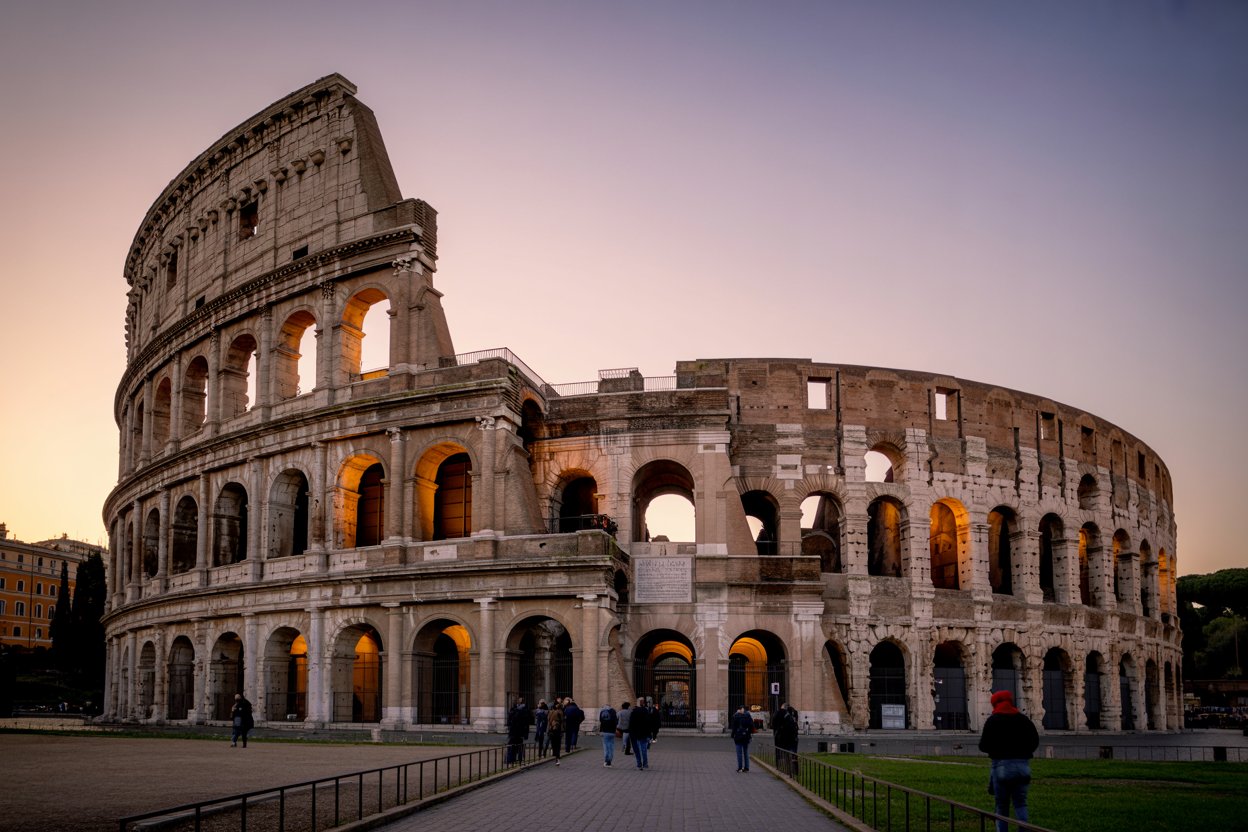
Image generated with Ai
Italy is taking bold steps in 2026 to manage tourism across its most popular destinations. Cities like Venice, Rome, and Florence are introducing new rules to control overcrowding, regulate short-term rentals, and protect their historic heritage. These changes are designed to help travellers enjoy more authentic experiences while preserving local life. Understanding Italy’s tourism rules has become essential for anyone planning a trip to these iconic European cities.
Image generated with Ai
Italy’s new policies are not meant to deter visitors. They aim to balance tourism growth with the needs of residents and the protection of cultural landmarks. By following these rules, travellers can explore Italy more responsibly and enjoy a smoother, more immersive journey.
Italy has long been a magnet for tourists. Millions flock each year to admire ancient architecture, museums, and world-renowned cuisine. However, the high volume of visitors has created challenges, including overcrowded streets, strain on public transport, and pressure on housing markets.
To address these issues, Italian authorities have introduced stricter regulations for short-term rentals. Rental properties must now be officially registered, and hosts are required to meet guests in person during check-in. These rules ensure compliance and reduce illegal rentals that can overwhelm city centres.
Advertisement
For travellers, this means careful planning is necessary. Booking through licensed hotels or officially registered guesthouses is safer and often more convenient. Following these Italy tourism rules can make your visit more seamless and stress-free.
Venice is particularly affected by overcrowding. The city has implemented a day-tripper fee on peak days to manage visitor numbers. Tourists who do not stay overnight may be required to pay this fee, which helps fund the maintenance of streets, canals, and historic landmarks.
Advertisement
Advertisement
Planning your visit in advance is crucial. Overnight stays in licensed accommodations often exempt travellers from these fees or provide easier access. The new rules encourage longer stays, which allow visitors to explore Venice at a more leisurely pace and reduce the impact of short visits.
Travellers should also be aware that Venice’s streets are narrow and prone to congestion. Visiting early in the morning or late afternoon provides a more pleasant experience. These Venice travel tips are essential to navigate the city comfortably while respecting local regulations.
Advertisement
Advertisement
Florence, Rome, Milan, and other historic cities have tightened short-term rental rules. Guests must now register in person, and unlicensed properties face strict penalties. This approach protects housing availability for residents while allowing tourists to enjoy authentic stays.
For visitors, booking registered rentals ensures safety and compliance. It also offers an opportunity to stay in areas where locals live, providing a more immersive cultural experience. These Italy tourism rules encourage responsible travel and reduce the pressure of overtourism on popular neighbourhoods.
Italy is not the only country tackling overtourism. Other European destinations, including Amsterdam, Dubrovnik, Santorini, and Barcelona, have introduced limits on short-term rentals and implemented tourist taxes to manage crowds. These measures aim to balance tourism with community wellbeing and environmental protection.
Travellers should plan multi-country trips wisely, considering off-peak seasons and lesser-known destinations. Choosing experiences beyond the main tourist hubs allows visitors to enjoy culture, cuisine, and attractions without the crowds. European overtourism travel trends highlight the importance of responsible tourism for a positive experience.
European cities are increasingly encouraging tourists to respect public spaces and heritage sites. Following local customs, avoiding blocking streets, and keeping noise levels low are now part of responsible travel. Observing these guidelines ensures that cultural landmarks remain accessible and enjoyable for all.
Travellers who respect local rules often enjoy smoother interactions with residents and access to exclusive experiences. By planning visits thoughtfully and following Italy tourism rules, visitors can enjoy memorable, authentic journeys across Europe.
To make the most of your trip, follow these practical steps: book accommodation through licensed platforms, plan for potential day-tripper fees in Venice, and consider off-season travel for quieter experiences. Explore neighbourhoods outside the main tourist zones for a deeper understanding of local culture.
Italy’s new tourism rules may require minor adjustments to travel plans. However, they provide a chance to enjoy the country responsibly while preserving its beauty for future visitors. Travellers who adapt will find Italy more welcoming, accessible, and rewarding than ever before.
By understanding Italy’s overtourism strategies, following guidelines, and planning carefully, visitors can experience the rich heritage, cuisine, and history of this iconic country without contributing to overcrowding. These measures ensure that Italy remains a top destination for global travellers, offering safer, more authentic, and unforgettable experiences.
Advertisement
Tags: Europe, Europe overtourism travel, Florence, Italian travel guide, Italy

Subscribe to our Newsletters
I want to receive travel news and trade event updates from Travel And Tour World. I have read Travel And Tour World's Privacy Notice .
Tuesday, March 10, 2026
Tuesday, March 10, 2026
Tuesday, March 10, 2026
Tuesday, March 10, 2026
Tuesday, March 10, 2026
Tuesday, March 10, 2026
Tuesday, March 10, 2026
Tuesday, March 10, 2026