
Published on March 9, 2026
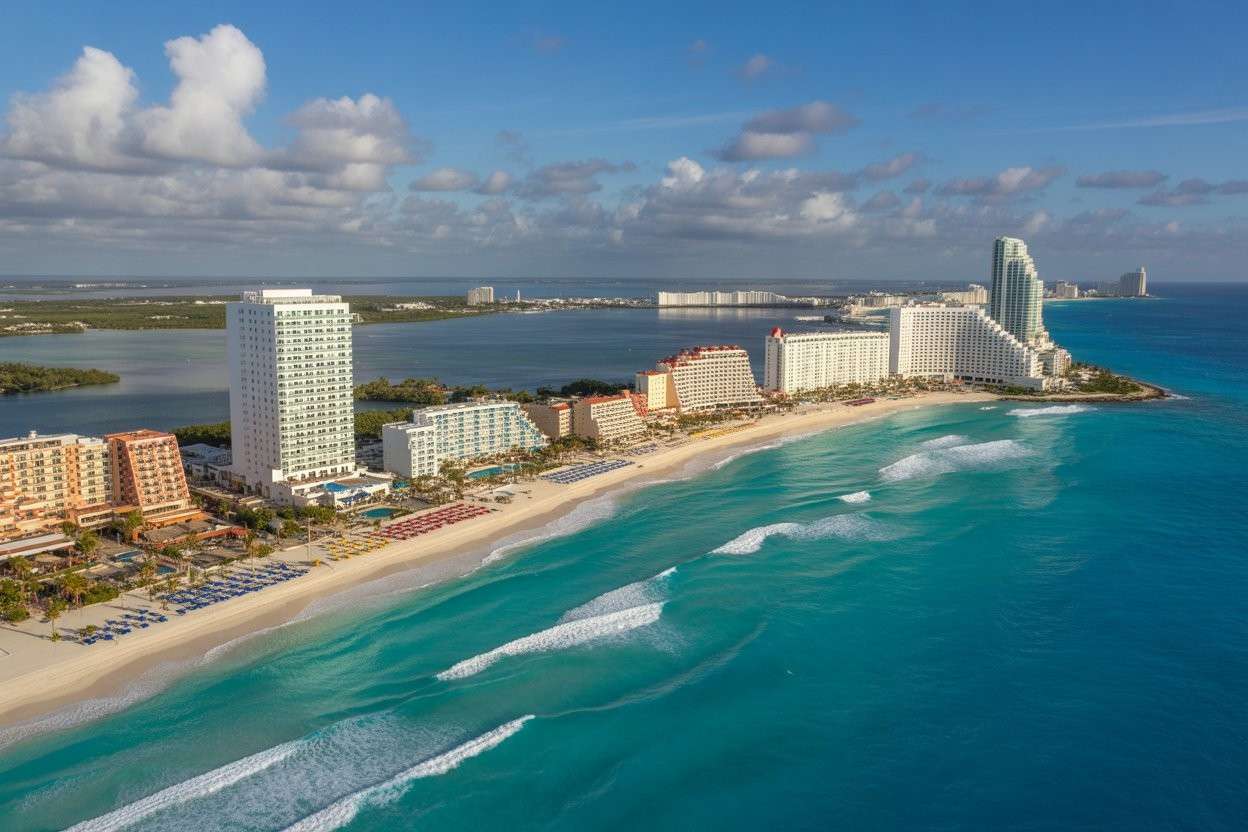
Image generated with Ai
Cancun and Cozumel, prime destinations for Mexico tourism, face mounting challenges from sargassum accumulations in early 2026. Official monitoring reveals elevated risks for these Royal Caribbean ports, potentially disrupting the vibrant tourism sector that draws millions annually. Government agencies coordinate intensified cleanup to safeguard beaches essential to the economy.
Image generated with Ai
The National Oceanic and Atmospheric Administration reports heightened sargassum inundation risks across the Caribbean, including Mexico‘s Yucatan coast, for late February to early March 2026. Cancun and Cozumel beaches, central to Royal Caribbean itineraries, show moderate to high probabilities of seaweed landings, driven by ocean currents and wind patterns. This phenomenon, recurrent since 2011, threatens tourism by covering pristine sands with dense mats, impacting visitor appeal and local businesses.
Quintana Roo government updates indicate proactive phases, with preparation underway since February 2026 to counter arrivals typically peaking from April to October. SEMAR and state teams alist equipment for offshore collection, aiming to maintain clean shores for tourism flow. Early detections in Isla Mujeres near Cancun signal potential widespread effects on Mexico tourism, prompting accelerated responses to preserve destination image.
Quintana Roo authorities emphasize the Estrategia de Atención al Sargazo, integrating federal navy efforts with municipal actions to prioritize tourism zones like Cozumel and Cancun. Over 4,500 tons collected year-to-date by late February underscores commitment, focusing on prevention to minimize beach closures that deter cruisers from Royal Caribbean. This multi-agency approach seeks to reduce environmental harm while supporting the tourism engine generating prosperity for coastal communities.
Advertisement
Advertisement
The US Environmental Protection Agency highlights economic stakes, noting past sargassum events led to beach shutdowns from Cancun to Florida, severely hitting tourism revenues. In Mexico, coordinated offshore barriers and mechanical harvesting target high-risk areas around Cozumel, protecting dive sites and beach clubs frequented by cruise passengers. These measures aim to sustain tourism recovery post-pandemic, ensuring Royal Caribbean guests enjoy unspoiled experiences.
Sargassum mats release odors and hinder water access, directly challenging Mexico tourism in Cancun and Cozumel, where Royal Caribbean offers excursions to Mayan ruins and cenotes. Official data links inundations to reduced visitor numbers, with historical drops in Quintana Roo arrivals during peak seasons. Tourism operators adapt by redirecting to inland attractions, but prolonged events could strain cruise schedules and hotel occupancies.
Advertisement
Advertisement
Royal Caribbean maintains ports in Cozumel as gateways to private beach clubs and snorkeling, yet seaweed piles risk altering itineraries and passenger satisfaction. Government forecasts predict seventy-five percent above-average volumes in March-April, amplifying pressure on tourism infrastructure. Cleanups costing billions annually underscore the need for sustainable strategies to bolster Mexico tourism resilience against natural cycles.
Beyond aesthetics, sargassum affects marine ecosystems, though NOAA notes its role as fish habitat in open waters; beached piles pose health risks via hydrogen sulfide emissions. Quintana Roo integrates sustainable uses like fertilizer production, turning liability into asset for tourism peripheries. Cozumel‘s reefs, vital for dive tourism, benefit from early interventions preventing smothering.
Advertisement
Advertisement
Economically, Mexico tourism in these zones supports millions, with Royal Caribbean contributing via thousands of weekly visitors. EPA analyses show inundation events correlate with ten to twelve percent arrival declines, prompting investments in monitoring tech. State goals target eighty percent impact reduction through sea-based collection, fortifying tourism against 2026 projections.
NOAA’s pre-operational models guide Quintana Roo in forecasting arrivals, enabling precise deployments around Cancun and Cozumel. Enhanced collaboration with universities improves accuracy, vital for Royal Caribbean planning and tourism marketing. Long-term, climate-resilient barriers and biodegradable booms promise fewer disruptions, securing Mexico tourism leadership.
SEMARNAT and SEMAR back valorization projects, converting sargassum into biofuels and construction materials, easing landfill burdens. Tourism boards promote alternative experiences like eco-tours during peaks, diversifying appeal. As March 2026 unfolds, vigilant monitoring ensures Cozumel and Cancun remain top Royal Caribbean draws.
Official reinforcements position Mexico to weather the 2026 sargassum season, prioritizing tourism vitality in Cancun and Cozumel. Continuous tons removal and tech upgrades signal robust defense, minimizing lapses in cruise tourism. Stakeholders anticipate minimal long-term dents, with strategies evolving to future-proof beaches.
Quintana Roo‘s Nueva Era del Turismo integrates sargassum management, fostering shared prosperity. Royal Caribbean enthusiasts can plan confidently, backed by government resolve. Mexico tourism endures, adapting to preserve allure.
Advertisement
Tags: Cancun sargassum, Cozumel seaweed, Royal Caribbean Mexico, sargassum Mexico 2026

Subscribe to our Newsletters
I want to receive travel news and trade event updates from Travel And Tour World. I have read Travel And Tour World's Privacy Notice .
Monday, March 9, 2026
Monday, March 9, 2026
Monday, March 9, 2026
Monday, March 9, 2026
Monday, March 9, 2026
Sunday, March 8, 2026
Monday, March 9, 2026
Monday, March 9, 2026