
Easter in Italy is a unique opportunity to experience one of the country’s most important and deeply rooted traditions. Known as Pasqua, Easter is celebrated with solemn processions, festive gatherings, and centuries-old rituals.
In 2026, Easter Sunday falls on 29th April, with celebrations starting during Holy Week, which runs from 29th March to 5th April.
The week leads up to Pasqua (Easter Sunday), followed by La Pasquetta (Easter Monday), a public holiday when Italians gather outdoors to enjoy picnics and family time.
Easter in Italy is celebrated with a mix of solemn religious traditions and festive gatherings. Across the country, cities, towns, and villages host processions reenacting the Passion of Christ, often featuring locals dressed in historic costumes.
Churches hold special masses, while streets fill with the sounds of choirs, bands, and church bells. The atmosphere blends deep spirituality with community celebration.
There are many wonderful places to spend Easter in Italy, each offering its own unique blend of religious traditions, cultural celebrations, and scenic beauty.
In both the north and the south of Italy, every village, town and city celebrates Easter with its own traditions. These typically include processions, religious rituals and sacred representations of the life and crucifixion of Christ.
In Rome, you will find Italy’s most typical Easter celebrations. On Good Friday, there is no Mass until the Easter Vigil, which is held on the evening of Holy Saturday.
When night falls on Good Friday, you can bear witness to one of the most solemn and beautiful processions in the world – the famous Via Crucis, usually led by the Pope himself.
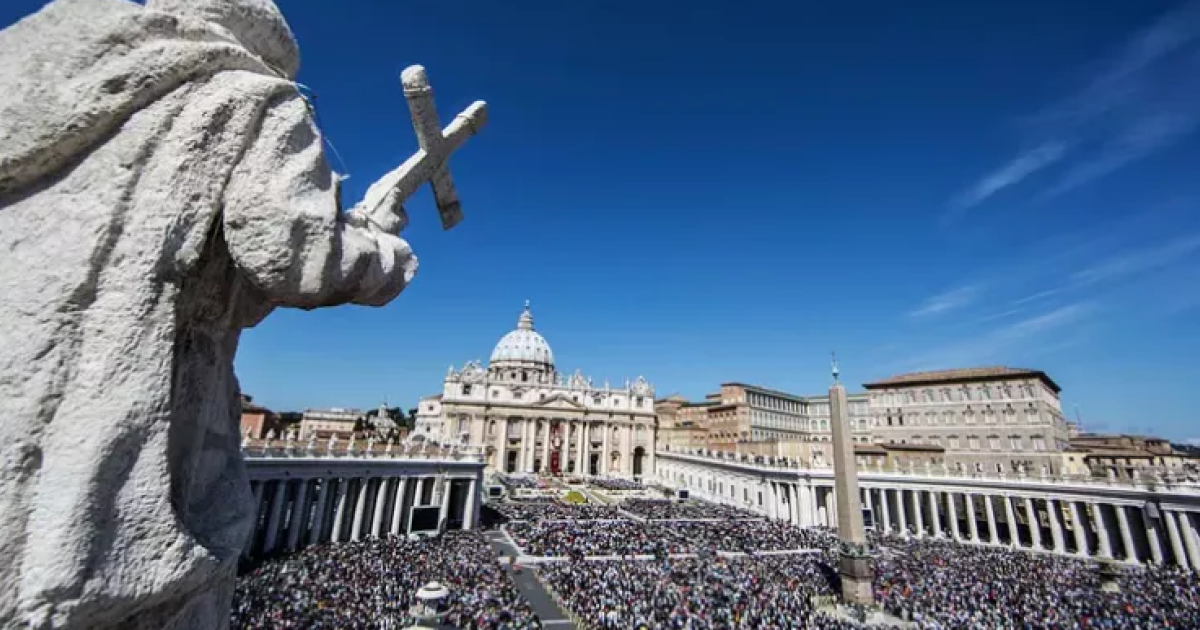
Experiencing the Pope’s Easter celebration at Saint Peter’s Basilica is a truly unforgettable experience and a top recommendation for anyone visiting Rome during Easter. The mass held in Saint Peter’s Square on Easter Sunday is the largest in the world, drawing countless attendees.
The Pope appears on the balcony to deliver the service, concluding with his renowned declaration, “Urbi et Orbi,” conveying his message of care for both the city and the world.
Eggs are traditionally said to be so popular at Easter time because they are a symbol of life and hope. In the Italian town of Tredozio, eggs are therefore the protagonists of Sagra e il Palio dell’uovo, an event consisting of competitions, games, battles and a parade with floats.
Without a doubt, the highlight of the Palio is on Easter Monday when lots of different neighbourhoods in the area compete for the conquest of the silver egg.
Easter in Florence offers a one-of-a-kind spectacle. A central figure in the renowned Easter celebration known as the Scoppio del Carro, during Holy Week, is a dove.
During the ceremony, an elaborately decorated cart makes its way from the Piazzale del Prato to Florence Cathedral, where it is linked to the main altar by a metal cable. Subsequently, a symbolic dove grasping an olive branch in its beak is placed on the cable.
Eggs are once again the star of the show in Urbania, with the Punta e cul show in this town in the Pesaro e Urbino province. This curious Easter festival is inspired by ancient folk customs.
The area is also home wide range of family events and activities as part of its Easter programme, including an Easter Bunny Brunch, as well as Easter egg hunts and crafts.
In Sardinia, Holy Week traditions are especially curious, including the “Scrocifissione” in the city of Oliena. This local tradition involves the locals going from church to church, searching for the resurrected Christ every day until Holy Saturday, when his statue is found.
This tradition then leads to a large procession through the town, with the participants wearing the typical costume of the village.
One of the most beautiful mountain towns in Italy, Bormio has very special pasquali traditions. Their Easter celebrations consist of rituals to celebrate the arrival of Spring, such as blessing five lambs. There are even competitions between the different contrade or neighbourhoods.
All of this takes place with participants dressed in the distinctive costumes of the five districts of the town.
Food is central to Easter celebrations in Italy. Families gather for elaborate meals featuring seasonal and symbolic dishes.
Easter can be a wonderful time to visit Italy for those who are interested in experiencing the country’s rich religious and cultural traditions. Easter falls in the spring season in Italy, so you can expect milder temperatures and blossoming landscapes.
Keep in mind that Easter is a popular time for both domestic and international tourists to visit Italy. As a result, popular tourist destinations can be crowded, and accommodation may be more expensive.
Travelling during Easter in Italy is a memorable experience but requires some planning:
In Italy, the Easter celebrations don’t end on Sunday. Easter Monday, or La Pasquetta, is a national holiday and a beloved tradition. Families and friends gather for picnics, countryside trips, or seaside outings to enjoy the spring weather.
It’s a more relaxed and informal day, often filled with barbecues, local festivals, and outdoor fun.
Stay inspired for your travels in Italy —get our weekly newsletter for the latest travel, legal, and lifestyle news.
Easter in Italy 2026: traditions, celebrations, and travel tips – Idealista
You Might Also Like

The ‘mega’ tourist experiences Australians must try this year – Sky News Australia

Crane Collapse on Thai Train Causes Deaths and Delays: Key Information for Affected Travelers – Travel And Tour World