Published on February 28, 2026
By: Tuhin Sarkar
Image generated with Ai
In a bold move that’s sure to make waves in the travel industry, Chicago joins Los Angeles, San Diego, and Costa Mesa in increasing their hotel tax in 2026. As the city steps up its efforts to boost tourism revenue, it is also making a tough competition with other U.S. cities that still don’t impose any lodging levy. This decision could dramatically change the landscape of hotel pricing, impacting both tourists and the hospitality industry. With rising hotel taxes in Chicago, Los Angeles, and San Diego, these cities are positioning themselves as tourism powerhouses, but they’re also becoming more expensive for travelers compared to cities with no lodging tax.
Image generated with Ai
The new hotel tax increase in Chicago, which follows in the footsteps of Los Angeles, San Diego, and Costa Mesa, will place additional financial pressure on visitors. Meanwhile, cities without lodging levies might appear as more appealing alternatives. As these high-tax cities intensify their competition for tourism dollars, travelers are left grappling with tough choices. Will the added taxes in Chicago, Los Angeles, and San Diego be worth the visit? Or will those seeking affordable stays opt for destinations where no such taxes exist? Keep reading to uncover how this battle for tourism dollars is shaping up across the U.S. and what it means for you.
In 2026, several U.S. cities are hiking hotel taxes as they look to plug budget gaps and fund essential services. While many of these increases are driven by efforts to boost municipal budgets, tourists and travelers should prepare for higher lodging costs in cities like Los Angeles, San Diego, and Chicago. In this article, we’ll explore the key cities affected by these tax hikes, how much travelers can expect to pay, and the impacts of these changes on the hospitality industry.
Image generated with Ai
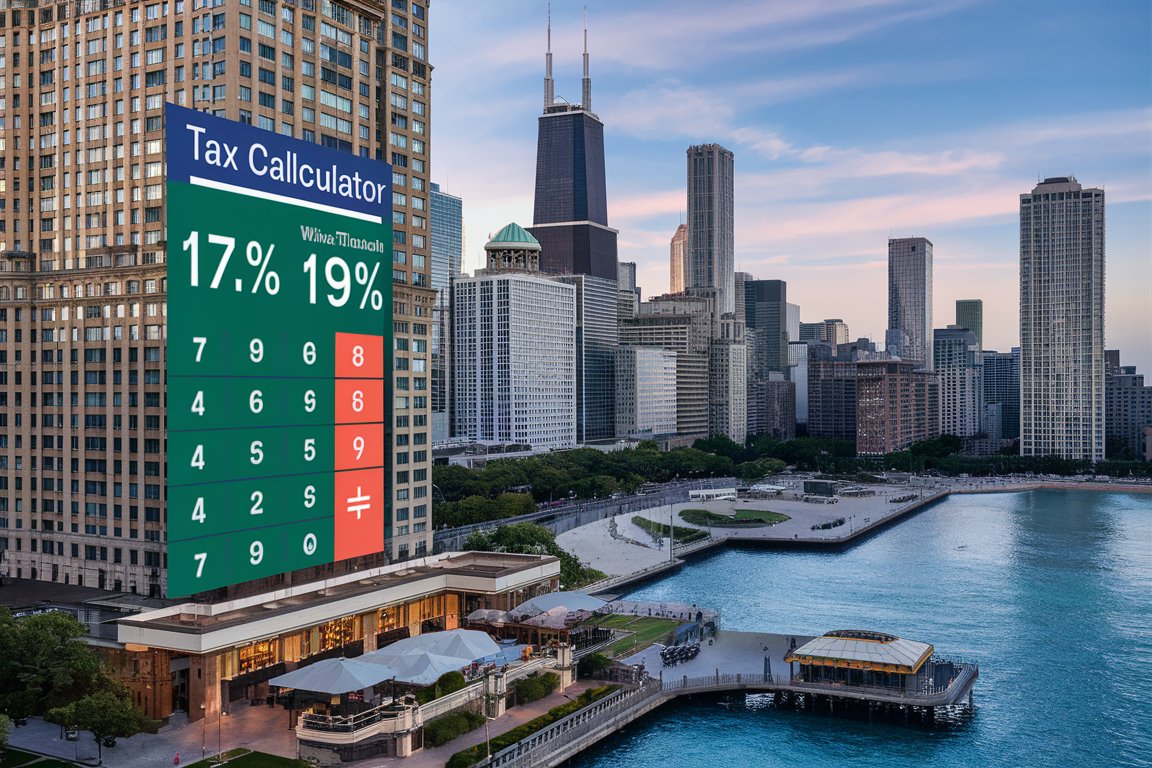
Why is Chicago Raising Its Hotel Tax?Chicago’s City Council Finance Committee has voted to approve a proposal to raise the hotel tax specifically in the Tourism Improvement District located in downtown Chicago. If the proposal passes through the full City Council, the current hotel tax rate could increase from 17.5% to 19% for participating hotels. This would make Chicago’s hotel tax rate one of the highest in the country for urban tourism districts.
Advertisement
The tax hike will apply only to hotels that are participating in the Tourism Improvement District (TID), which is a defined area encompassing the city’s downtown and high‑traffic tourism zones. This means that while the tax increase will affect a significant portion of hotels in the city, it will not be applied to every single hotel in Chicago. The proposal, which is expected to take effect in mid‑2026, could impact everything from budget accommodations to luxury hotels, particularly in the central business and tourism districts.
The City Council Finance Committee is projecting that the increase will generate an additional $269 million in revenue over the next five years. These funds will be specifically allocated to marketing and tourism efforts, with a major focus on convention sales and boosting Chicago’s profile as a competitive global destination for conventions and business events.
Advertisement
Advertisement
The decision to raise the hotel tax stems from the city’s ongoing efforts to reinvest in its tourism sector and increase its market share of both leisure tourism and business travel. Over the years, Chicago has faced stiff competition from other U.S. cities, such as Las Vegas, Orlando, and Los Angeles, all of which heavily invest in tourism marketing to attract international and domestic visitors.
One of the main drivers of the hotel tax increase is the need to fund tourism promotion and convention marketing. Chicago’s tourism marketing budget has historically been lower than those of its peers, limiting the city’s ability to secure high‑profile conventions and events. For example, convention centers and other venues have struggled to attract large international conferences because the city has been less aggressive in promoting itself compared to competing cities.
By implementing this hotel tax increase, the City of Chicago intends to allocate funds directly to Visit Chicago (the city’s official tourism bureau) and its efforts to attract large conventions, improve marketing campaigns, and further invest in tourism infrastructure. Chicago’s convention and tourism center, including McCormick Place (the largest convention center in North America), is an integral part of its economy, drawing millions of visitors annually. However, the city has been working to recover from pandemic‑related declines in travel and tourism, and increasing the hotel tax is seen as a critical step toward revitalizing this sector.
Chicago’s hotel industry, which has been slowly recovering from the pandemic, will see increased competition for bookings as the hotel tax increase makes staying in the city more expensive. The Tourism Improvement District encompasses areas like the Magnificent Mile, River North, and South Loop, which are home to many of Chicago’s iconic hotels. These hotels could see an uptick in the total cost per night as guests will need to pay an additional 1.5% in taxes, based on the new rate.
For example, consider a $200 per night hotel room in the downtown area. Under the existing 17.5% tax, the tax amount would be $35. Under the new 19% rate, the tax would rise to $38, resulting in an extra $3 per night in tax costs. While the increase might seem small, over the course of an extended stay or across multiple visitors, the additional revenue generated can be significant.
Hotels with high demand, such as those in tourism‑centric districts, may find themselves in a better position to absorb the tax increase, though budget hotels and mid‑tier accommodations could see a decline in occupancy as visitors compare the cost of staying in Chicago to other nearby cities with lower tax rates.
Chicago is home to several important tourism districts that contribute significantly to the city’s economy. For years, the city has competed with other major convention destinations, such as Orlando, Las Vegas, and San Francisco, for large-scale events. However, the increase in hotel taxes is intended to position Chicago as a stronger competitor by increasing funding for marketing campaigns and sales efforts.
Through Visit Chicago, the city aims to attract more business travelers and large conferences by offering attractive packages to event organizers. Chicago’s convention and event venues, such as McCormick Place, are integral to this strategy, offering a state‑of‑the‑art facility capable of hosting international exhibitions, product launches, and industry conferences.
Moreover, city officials are optimistic that the tax increase will result in a return on investment through higher numbers of convention visitors, business travelers, and leisure tourists. Chicago’s growing arts scene, cultural institutions, and vibrant culinary tourism industry are expected to benefit from the influx of visitors.
Despite the potential for increased tourism revenue, some industry insiders and travelers have raised concerns about the added costs. Higher hotel taxes mean increased travel costs for visitors. This could especially impact tourists on a tight budget or those looking to stay for an extended period of time. Many travelers may opt for more affordable destinations that offer lower taxes, which could ultimately lead to a reduction in the city’s overall tourism volume.
While Chicago remains a highly attractive destination, with world‑renowned attractions such as The Art Institute, Navy Pier, and Millennium Park, the increased hotel taxes could make the city less appealing for budget travelers, particularly in comparison to competing cities like Dallas, Phoenix, or Seattle, where hotel taxes are lower.
The hotel tax increase in Chicago is a strategic move aimed at strengthening the city’s position as a top global tourism and convention destination. While the higher costs could affect some travelers, the funds raised are set to benefit tourism infrastructure, convention marketing, and overall economic growth in the city.
For tourists planning trips to Chicago in 2026, it’s important to factor in the additional costs associated with the 19% hotel tax in certain areas. Hotel prices are set to rise, but the city’s tourism improvements could lead to a better visitor experience and increased events. Travelers looking for a cost-effective stay may need to explore alternatives outside the high‑tax districts or consider shorter stays to minimize the impact.
Ultimately, the increase in Chicago’s hotel tax reflects the city’s ambition to reinvest in its tourism sector, boost its global competitiveness, and secure its status as one of the top U.S. destinations for conventions, events, and cultural tourism.
In Los Angeles, the city council is pushing for a 2% increase in its Transient Occupancy Tax (TOT), which could significantly affect the price of hotel stays starting mid‑2026. A ballot measure will decide whether this change is implemented, with voters having the final say in June 2026. If approved, the tax hike will gradually take effect through 2028, with the aim to generate millions of dollars in new revenue. This move comes as the city faces a growing budget shortfall and seeks to invest in infrastructure and tourism marketing.
Travelers staying at hotels, motels, short-term rentals, and even hostels will be impacted. Los Angeles’ total hotel tax rate could rise from 14% to 16% by 2028 if the proposal is approved.
Image generated with Ai
In San Diego, hotel taxes are also on the rise. Starting in 2026, the city will enforce higher TOT rates in key downtown areas, particularly targeting tourism-heavy zones. The city has already rolled out a 2% increase to 11.75% with additional increases planned for certain areas. The move comes as the city continues its drive to fund tourism infrastructure and enhance convention facilities. The changes are expected to increase hotel costs for tourists, particularly in the city’s vibrant downtown and coastal districts.
This increase will help cover $80 million in new funding for tourism initiatives aimed at boosting San Diego’s position as a top destination.
In Chicago, the City Council Finance Committee is pushing for an increase in the hotel tax, targeting the downtown district. This proposal seeks to raise the tax from 17.5% to 19%, focusing on tourism-heavy locations and convention facilities. The city’s tourism sector, particularly conventions, will see a direct impact as business travelers and event attendees will be subject to higher rates.
As of February 2026, the proposal is still under review, with hearings planned for the coming months. However, if implemented, this will make Chicago one of the top cities with some of the highest hotel taxes in the country.
While major cities like Los Angeles and San Diego grab the headlines, smaller cities are also raising hotel taxes in 2026. In Hayward, California, the city council has proposed increasing the hotel occupancy tax from 12% to 14%, a rise that will directly affect travelers visiting the city for business or leisure.
Similarly, in Menlo Park, a 15.5% TOT rate will be phased in, which is a significant jump for a smaller city. Menlo Park’s rate will climb higher starting January 2026, making it one of the most expensive cities for hotel stays in the region.
In Radford, Virginia, the hotel tax is also climbing from 8% to 8.5% in an effort to generate additional revenue for city projects. Although smaller in scale, this incremental rise still has an effect on visitors
.
Costa Mesa, California, is currently exploring the possibility of raising the hotel tax to help cover the cost of infrastructure improvements and tourism promotion. The city council has not yet finalized the measure, but it is expected to be placed on the November 2026 ballot. Travelers could see an increase of up to 2% in hotel taxes, depending on the vote.
This proposed increase in Costa Mesa reflects a growing trend among cities looking to capture more revenue from visitors and reinvest in local development.

Image generated with Ai
Image generated with Ai
For travelers planning trips to cities like Los Angeles, San Diego, and Chicago, these increases mean higher hotel bills starting mid‑2026. While the exact cost will depend on the total stay and location, a 2% tax increase can add up significantly, particularly for longer stays or high‑end accommodations.
For example, if a hotel room costs $200 per night, the tax increase could raise the total bill by $4 per night for a 2% increase. Over a week, that could amount to an additional $28.
These increased taxes are often used to fund tourism infrastructure and promote local attractions, which could indirectly benefit visitors. However, for tourists on a budget, these changes could make a trip to a popular destination like Los Angeles or San Diego more expensive.
The year 2026 will see increased hotel taxes in major U.S. cities as local governments look for ways to fund their budgets and enhance their tourism offerings. From Los Angeles’ potential 2% increase to San Diego’s tax hikes targeting downtown areas, travelers will need to adjust to higher costs. Smaller cities like Hayward, Menlo Park, and Radford are also raising their rates, adding to the nationwide trend. As these changes take effect, travelers will need to factor in these costs when planning their trips to these cities.
Stay tuned to official government sources for final updates on tax changes and other travel-related announcements throughout 2026.
Advertisement
Tags: Chicago hotel tax, Costa Mesa hotel tax, hotel tax increase, Los Angeles tax hike, San Diego tourism

Subscribe to our Newsletters
I want to receive travel news and trade event updates from Travel And Tour World. I have read Travel And Tour World's Privacy Notice .
Saturday, February 28, 2026
Saturday, February 28, 2026
Saturday, February 28, 2026
Saturday, February 28, 2026
Saturday, February 28, 2026
Saturday, February 28, 2026
Saturday, February 28, 2026
Saturday, February 28, 2026