
Published on February 20, 2026
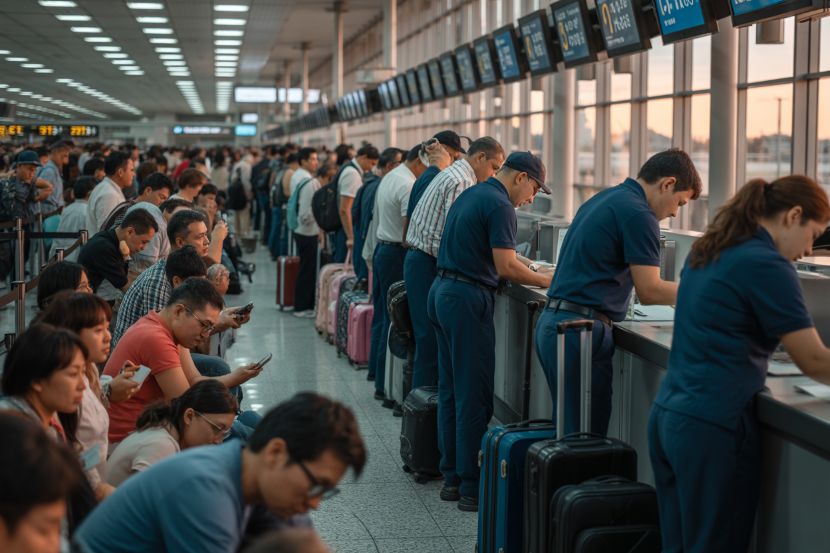
Image generated with Ai
On February 19, 2026, a global outage in the reservation system of Navitaire, a key service provider for airlines, caused significant disruptions to airline operations in India, Asia-Pacific, and parts of Europe. The glitch, which temporarily impacted systems between 6:45 am and 7:28 am, and then again from 8:10 am to 8:25 am IST, resulted in widespread delays at airports and a scramble to manage affected flights.
Navitaire is an Amadeus-owned system that helps budget airlines manage crucial operational elements, such as ticketing, reservations, check-ins, and boarding. This outage affected several major Indian carriers, including IndiGo, Air India Express, Akasa Air, and SpiceJet, forcing them to adopt manual check-ins and boarding procedures.
The disruption started early in the morning and caused flight delays at several major airports, including Indira Gandhi International Airport (IGIA) in Delhi. Passengers faced a frustrating experience as the systems responsible for check-in and boarding were down for almost two hours. With so many flights on the schedule, airlines were forced to rely on alternative methods to handle passenger flow. Manual check-in counters and boarding procedures helped alleviate the bottleneck but also led to a long wait for some travelers.
In India, the outage hit several airports, causing bottlenecks during peak travel hours. Airlines, particularly IndiGo and SpiceJet, struggled with passenger flow management, especially in popular hubs like Delhi and Mumbai. While Air India Express was largely unaffected due to its use of a different system, other budget carriers had a tough time maintaining operational flow.
Advertisement
In the Asia-Pacific region, airlines operating on the Navitaire platform experienced similar issues, including delays and disrupted schedules. Europe also witnessed ripple effects, as travelers across major hubs faced delays in check-ins and boarding.
Travelers who had booked flights with airlines affected by the outage were often left stranded in terminals as they awaited updates and manually processed check-ins. Airports had to implement temporary measures like handwritten boarding passes and increased staff to manage the surge in manual operations.
Advertisement
Advertisement
Unlike its competitors, Air India was largely spared from the disruption as it relies on a different system than Navitaire. While many budget carriers and low-cost airlines faced difficulties, full-service airlines like Air India and others that don’t use Navitaire’s cloud-based services were able to continue their operations with minimal impact. This highlights the advantage of diversification in technology systems for airlines, especially for long-term sustainability and reliability.
For travelers affected by such outages, here are a few tips to ensure smoother travel in case of unexpected disruptions:
Advertisement
Advertisement
Navitaire is a key player in the world of budget airlines. Its cloud-based New Skies platform is integral for managing ticket reservations, check-ins, boarding, and baggage tracking. Airlines that use Navitaire’s services benefit from a streamlined system that supports various operational elements, especially for low-cost carriers.
The system’s widespread usage across Asia, Europe, and India has made it an essential tool in modern aviation. However, as the recent outage demonstrated, technology systems that are used globally need to be resilient to disruptions. Airlines and service providers must ensure they have backup systems in place to minimize disruption to passengers.
As the outage was quickly resolved, airlines that experienced delays worked hard to get back on track. However, the episode highlights the importance of having robust disaster recovery plans in place. The aviation sector continues to face challenges posed by technical glitches, especially in cloud-based systems that affect operations worldwide.
For travelers, this incident serves as a reminder to check the status of their flights well in advance of their departure times and to be prepared for potential delays in the future.
The recent Navitaire outage caused significant disruptions across multiple regions and affected thousands of travelers. It served as a wake-up call for the airline industry to reevaluate the reliance on cloud-based systems that can sometimes fail. While the issue was resolved in just a couple of hours, it raises important questions about the reliability of key infrastructure in modern aviation.
As air travel grows and becomes more technologically dependent, both airlines and passengers must adapt to this new reality. The growing importance of having backup systems and manual processes in place cannot be overstated for ensuring smooth operations during any future technical breakdowns.
Advertisement
Tags: Air India Express, airline disruptions, airport check-in issues, aviation technology, flight disruptions

Subscribe to our Newsletters
I want to receive travel news and trade event updates from Travel And Tour World. I have read Travel And Tour World's Privacy Notice .
Friday, February 20, 2026
Friday, February 20, 2026
Friday, February 20, 2026
Friday, February 20, 2026
Friday, February 20, 2026
Friday, February 20, 2026
Friday, February 20, 2026
Friday, February 20, 2026


