Published on February 6, 2026
The 2025 calendar year was marked by sustained activity across Wizz Air’s operations, reflecting continued demand for air travel and steady execution across its scheduled network. Over the course of the year, passenger volumes increased alongside fleet growth and route development, positioning Wizz Air as a significant carrier for travellers seeking extensive connectivity and consistent service delivery. Performance indicators related to completion and punctuality were also recorded at elevated levels, underscoring a year shaped by scale and operational focus rather than disruption.
Passenger Growth and Flight Activity Define the Travel Year
Passenger movement remained a central indicator of travel demand throughout 2025. A total of 68.6 million travellers were carried during the year, representing a year-on-year increase of 9.4 percent. This growth was supported by a high volume of scheduled activity, with close to 335,000 flights operated across the calendar year. The sustained frequency of services reflected stable utilisation of capacity and a continued appetite for air travel within the airline’s network.
Alongside passenger growth, network breadth expanded through the launch of more than 320 new routes. These additions reshaped travel options available to passengers by increasing the number of city pairings served during the year. Route growth was paired with fleet expansion, as 42 aircraft were added during the same period, enabling higher frequencies and the accommodation of rising passenger volumes without reducing schedule density.
Reliability Metrics Show Measurable Operational Stability
Operational reliability formed a measurable component of the airline’s 2025 performance profile. Completion rates reached 99.61 percent, placing the airline among carriers with a high proportion of operated flights relative to scheduled services. This outcome indicated that the vast majority of planned journeys proceeded as intended, a factor with direct relevance to travellers prioritising predictability in travel planning.
Advertisement
Advertisement
Punctuality outcomes also reflected incremental improvement. Departures within 15 minutes of schedule were achieved on 73.38 percent of flights, while on-time arrivals were recorded for 77.98 percent of services. These figures illustrated performance consistency across both departure and arrival phases of travel, contributing to a more stable end-to-end journey experience for passengers.
Such results were achieved through coordinated efforts across multiple operational areas, including maintenance processes, ground handling activity, crew planning and overall operational control. While these internal measures remained behind the scenes, their cumulative effect was reflected in improved service regularity for travellers.
Advertisement
Advertisement
Travel Demand and the Value of Schedule Consistency
Advertisement
Advertisement
For travellers, large-scale passenger movement combined with high completion rates plays a significant role in shaping confidence in air travel choices. A year characterised by near-full schedule execution and dense flight activity supports travel planning across different journey types, whether short-notice travel or advance bookings. Consistency in flight operations allows travel decisions to be guided more by preference and timing rather than contingency planning.
From a tourism perspective, sustained route launches and regular flight operations contribute to a broader travel ecosystem in which movement remains fluid. Even without changes to destinations or markets, the sheer volume of available services enhances accessibility and supports travel continuity throughout the year. The emphasis on operating planned flights as scheduled reinforces reliability as a core travel consideration.
Operational Scale as a Background to the Passenger Experience
The scale of operations recorded during 2025 formed a backdrop to the passenger experience rather than a visible feature of travel itself. Fleet additions, route launches and flight volumes functioned collectively to maintain network coverage while supporting rising traveller numbers. For passengers, this translated into availability and regularity rather than noticeable structural change.
Improved punctuality and completion metrics subtly influence travel perception over time, as repeated journeys occur with fewer interruptions. In a high-frequency travel environment, such consistency can shape traveller expectations and reinforce habitual travel patterns without requiring explicit differentiation or added services.
A Year Shaped by Volume, Execution, and Measured Performance
By the close of 2025, the airline’s performance was defined by numerical growth and executional discipline. Passenger numbers, flight operations, fleet expansion and route launches all increased within the same period, while operational reliability indicators moved in a positive direction. Together, these elements outlined a year where travel demand and operational delivery advanced in parallel, reinforcing the airline’s positioning within the broader air travel landscape.
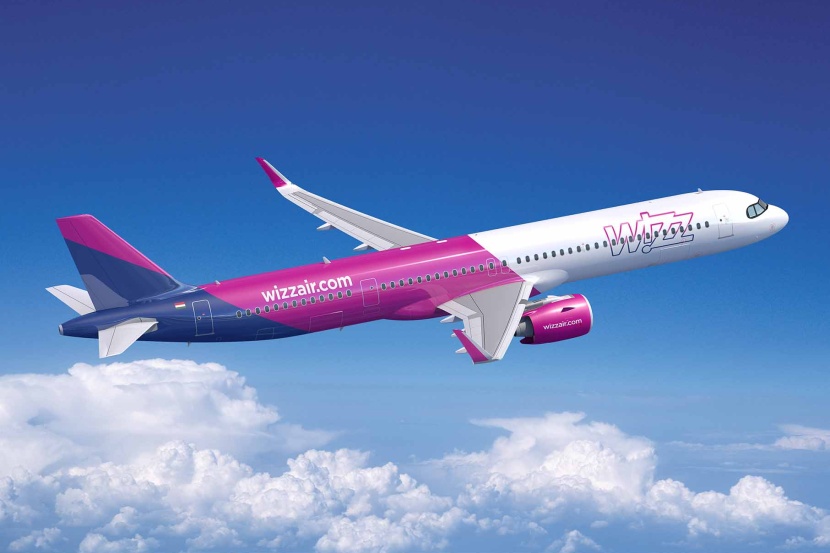
Image Source: Wizz Air
Advertisement

Advertisement
Tags: Airline News, Travel News, Wizz Air, Wizz Air flights, Wizz Air routes
Subscribe to our Newsletters
I want to receive travel news and trade event updates from Travel And Tour World. I have read Travel And Tour World's Privacy Notice .
Friday, February 6, 2026
Friday, February 6, 2026
Friday, February 6, 2026
Friday, February 6, 2026
Friday, February 6, 2026
Friday, February 6, 2026
Friday, February 6, 2026
Friday, February 6, 2026