

Published on February 3, 2026
The tourism industry in the United States has seen some significant changes over the last year, with Orlando, Miami, New York City, Fort Lauderdale, Atlanta, Houston, and several other major cities experiencing a notable decline in Caribbean tourist arrivals. According to the latest data, Orlando, once a powerhouse of family tourism, joined the list of cities facing a drop in visitors from the Caribbean. In 2025, Orlando experienced a 2.85% decline, contributing to a broader trend that saw key cities across the U.S. struggling to maintain Caribbean visitor numbers. Miami, traditionally the gateway for Caribbean travelers, saw a 3.15% decrease, while New York City recorded a 5.03% drop. Cities like Fort Lauderdale, Atlanta, and Houston also faced their own setbacks, with each reporting declines in Caribbean tourism due to a variety of factors, including rising travel costs, shifting preferences, and increased competition from other domestic and international destinations.
This widespread trend signals a shift in Caribbean travel dynamics, as the factors influencing these declines go beyond simple economic downturns. Orlando, once synonymous with major theme park tourism, is now facing increased competition from other family-friendly destinations, while Miami and Fort Lauderdale grapple with challenges in adapting to changing tourist habits and preferences. Despite these declines, however, these cities still remain key players in the U.S. tourism sector. Trade.gov reports that while the Caribbean tourist market remains a crucial part of these cities’ tourism base, local authorities will need to refine their marketing strategies, introduce targeted offerings, and innovate their experiences to regain the Caribbean audience and adapt to new trends.
Orlando’s Magical Appeal: Minor Setback in Caribbean Tourism

Orlando, Florida, is synonymous with family-friendly fun, drawing millions of tourists annually to its world-renowned theme parks like Walt Disney World, Universal Studios, and SeaWorld. The city has always had a strong appeal to Caribbean families looking for entertainment, making it a staple in the tourism industry. However, in 2025, Orlando experienced a slight decline in Caribbean tourism, losing 2,897 visitors, or a 2.85% drop in arrivals. This minor setback could reflect the increasing competition from newer, more affordable destinations or a change in family vacation preferences. While Orlando remains a top family destination, the growing costs of travel and the global shift in tourism trends might have contributed to the dip. The city’s numerous attractions, from thrill rides to character meet-and-greets, remain a huge draw, but Orlando may need to enhance its marketing efforts by offering more Caribbean-specific packages, discounts, or promotional events to keep tourists coming back. With its world-class entertainment options, Orlando will likely continue to be a favorite, but the decline suggests the need to innovate and attract a broader range of Caribbean travelers.
Miami’s Caribbean Connection: A Subtle Drop in Numbers
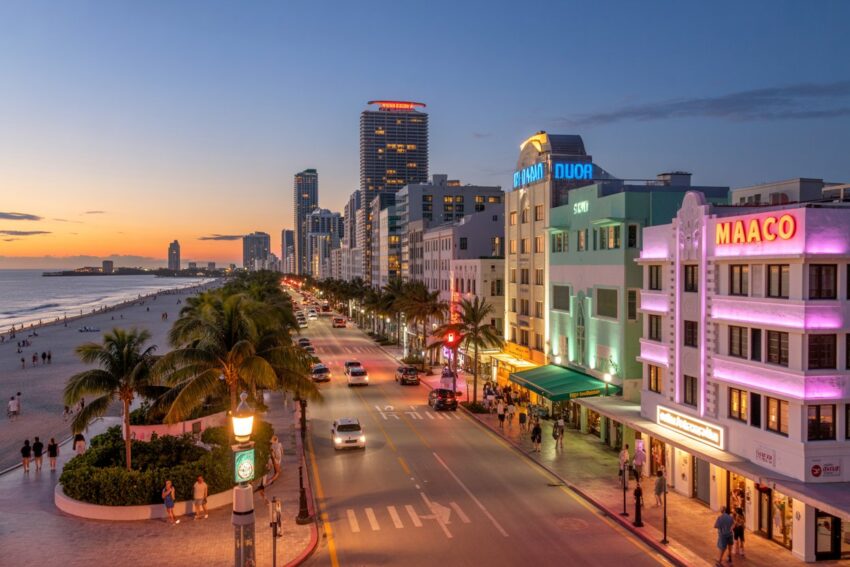
Miami, Florida, with its Latin-inspired culture, beautiful beaches, and exciting nightlife, has long been a top destination for Caribbean tourists. Serving as a bridge between the U.S. and the Caribbean, Miami is uniquely positioned with deep cultural and historical ties to the region. However, in 2025, the city saw a slight drop in Caribbean arrivals, losing 12,432 visitors or a 3.15% decrease compared to the previous year. While still one of the most popular U.S. cities for Caribbean travelers, Miami is facing increasing competition from other coastal destinations like Fort Lauderdale and Orlando. Additionally, factors such as rising airfares and a changing tourism landscape may be influencing the decision-making process for potential visitors. Miami’s allure remains strong due to its world-class beaches, luxury resorts, and vibrant cultural scene. Still, the tourism board may need to refocus on attracting Caribbean visitors through targeted marketing or by offering special packages that emphasize Miami’s Caribbean flair. With its iconic Art Deco architecture and thriving international community, Miami will likely remain a prominent destination, though it must adapt to changing travel preferences to ensure it doesn’t lose its Caribbean clientele.
Advertisement
Advertisement
Charlotte’s Growing Appeal: But Caribbean Tourism Takes a Hit

Advertisement
Advertisement
Charlotte, North Carolina, is not typically considered a go-to destination for Caribbean tourists, but it’s been gaining recognition as a business and leisure hub. With attractions like the NASCAR Hall of Fame, Carowinds amusement park, and a growing culinary scene, it’s become a city that offers a mix of Southern charm and modern flair. In 2025, however, Caribbean arrivals saw a decrease of 9.26%, with 3,040 fewer visitors compared to the previous year. This drop could reflect a shift in travelers’ preferences toward coastal cities or the impact of economic factors affecting the Caribbean region. While Charlotte offers a wealth of experiences for visitors, its appeal to Caribbean tourists may be limited by the lack of direct beach access and competition from destinations like Miami or Orlando. Nevertheless, the city has continued to thrive with business tourism, which could serve as a potential opportunity for local tourism boards to target niche markets. Given its growing international connections, Charlotte can still benefit from Caribbean travelers by further marketing its unique blend of attractions and expanding its cultural offerings.
New York City: Still a Top Destination, But Caribbean Arrivals Decline
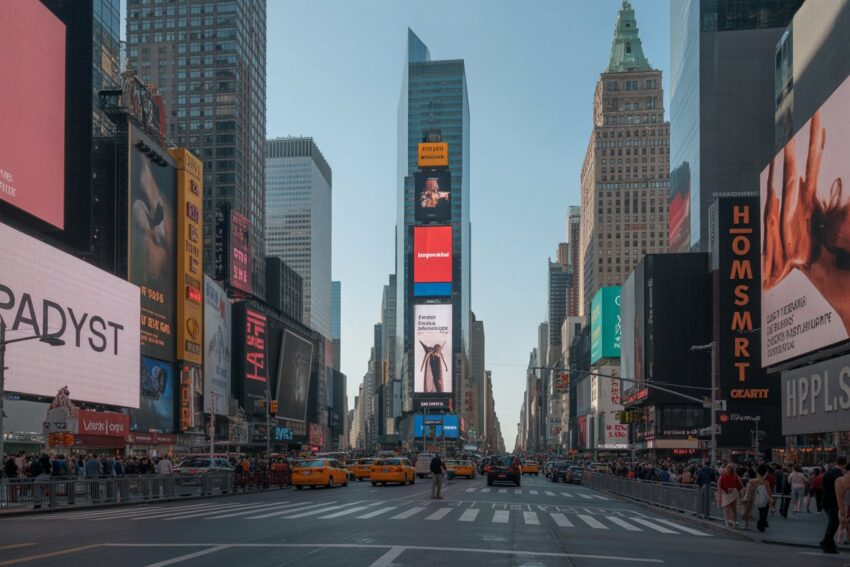
New York City, known as the “City that Never Sleeps,” has long been a beacon for Caribbean travelers seeking the excitement of Broadway, world-class shopping, and iconic landmarks like the Empire State Building and Central Park. In 2025, however, the city experienced a 5.03% decline in Caribbean arrivals, losing 15,356 visitors from the previous year. This decrease is notable given New York’s status as a cultural and economic capital, attracting millions of visitors from around the world, including the Caribbean. The drop could be attributed to several factors, including increasing airfare costs, global travel disruptions, or even political and economic instability in both the U.S. and Caribbean regions. Still, New York’s vast cultural offerings and its deep connections to Caribbean communities continue to make it a popular destination. To recover, New York might consider focusing more on Caribbean-specific marketing campaigns or partnerships that highlight cultural exchanges, particularly during festivals or events that attract tourists from the region. Despite the dip in numbers, New York remains an essential part of the Caribbean traveler’s itinerary, offering an experience unmatched by any other city.
Advertisement
Advertisement
Sunny Fort Lauderdale: A Dip in Caribbean Arrivals

Advertisement
Advertisement
Fort Lauderdale, Florida, often referred to as the “Venice of America” for its intricate canal system, has been a beloved destination for Caribbean tourists. Known for its pristine beaches, luxury shopping, and vibrant nightlife, it’s a hotspot for those seeking a glamorous getaway. However, in 2025, the city experienced a decline in Caribbean tourism, with 27,462 fewer visitors compared to the previous year, a drop of 11.71%. This decline could be attributed to factors such as the increasing competition from nearby Miami, higher travel costs, or shifting tourism trends that affect the Caribbean region. Fort Lauderdale is renowned for its cruise port, which historically has served as a gateway for Caribbean travelers. Yet, despite the downturn, the city remains a major player in Florida’s tourism scene, with its rich cultural offerings, upscale accommodations, and picturesque waterfront attractions. To regain the interest of Caribbean tourists, Fort Lauderdale may need to enhance its appeal by tapping into new markets or offering more tailored experiences that cater specifically to the needs of Caribbean visitors.
Atlanta: Southern Charm with Subtle Decline in Caribbean Tourism
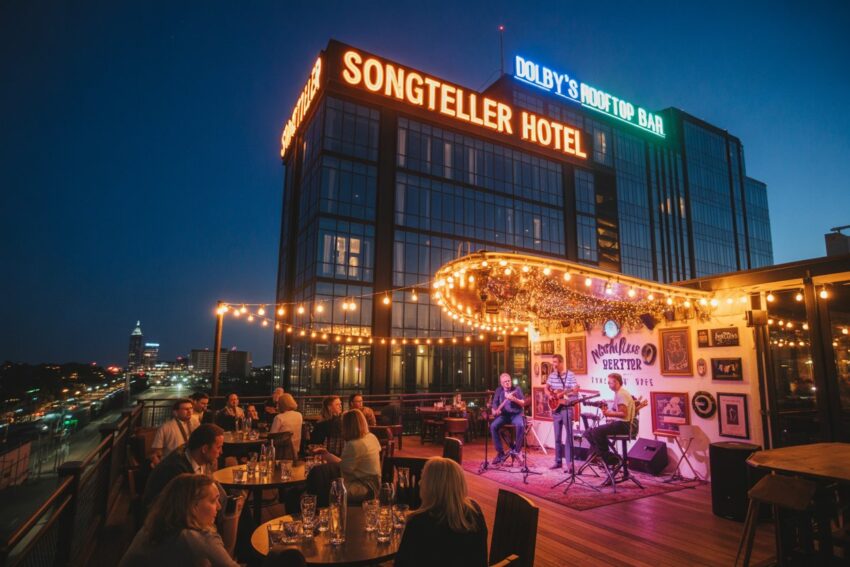
Atlanta, Georgia, often overlooked as a Caribbean tourist destination, has steadily grown in popularity thanks to its rich history, cultural institutions, and emerging food scene. The city is home to major attractions like the Georgia Aquarium, the Martin Luther King Jr. National Historic Site, and the World of Coca-Cola, making it an intriguing stop for visitors. However, in 2025, Caribbean arrivals to Atlanta experienced a modest decline of 2.09%, losing 941 visitors. While the city’s appeal to Caribbean tourists may not be as strong as coastal cities like Miami or Orlando, its growing international presence and convenient flight connections are making it more accessible. The drop in tourism could be linked to a preference for more beach-oriented destinations or economic shifts affecting Caribbean travel. Atlanta can continue to capitalize on its cultural and historical assets while exploring ways to connect with Caribbean travelers through unique cultural experiences or promotions. The city’s tourism board may need to enhance its Caribbean-focused outreach to keep this market engaged, especially as travel trends continue to evolve.
Houston: A Modest Decline in Caribbean Tourism
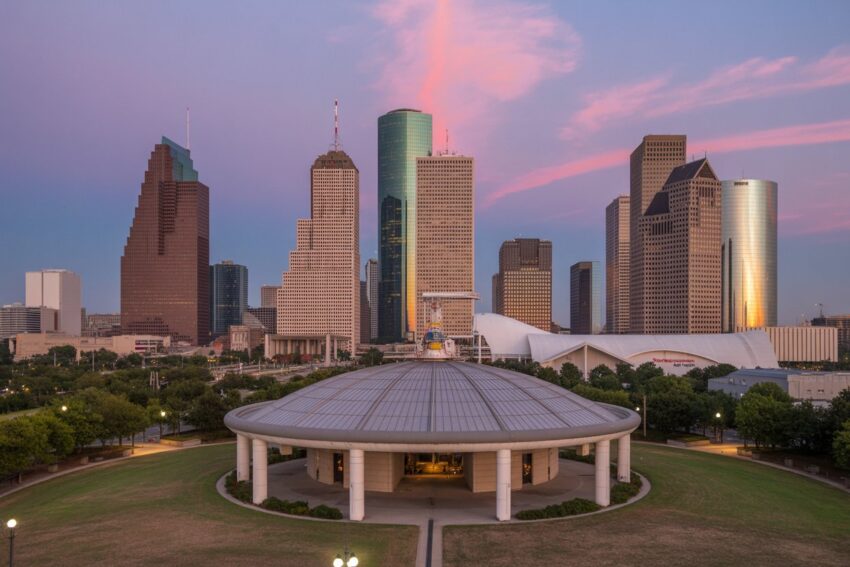
Houston, Texas, a bustling metropolis known for its space industry, diverse culture, and thriving food scene, saw the smallest drop in Caribbean tourist arrivals in 2025, with a decrease of just 200 visitors, or a 1.09% dip. While Houston may not be a typical top choice for Caribbean travelers seeking coastal destinations, its appeal lies in its cosmopolitan atmosphere, business opportunities, and cultural diversity. The slight dip in arrivals could be attributed to various factors, such as economic shifts or a growing preference for more tropical, beach-focused destinations. Still, Houston’s vibrant arts scene, excellent shopping districts, and global food culture continue to attract tourists from all over the world, including the Caribbean. To boost Caribbean tourism, Houston might want to emphasize its diverse cultural experiences, international connections, and the availability of unique events or festivals that resonate with visitors from the Caribbean. The city remains a strong destination for business and leisure travelers, and with the right marketing focus, it can continue to grow its Caribbean visitor base.
Analyzing the 2025 Declines: Caribbean Tourism in U.S. Cities
In 2025, several major U.S. cities saw a decline in Caribbean tourist arrivals, signaling shifts in travel patterns and preferences. Fort Lauderdale, FL, experienced the largest drop, with a significant 11.71% decrease in Caribbean visitors, followed by Charlotte, NC, with a 9.26% decline. Cities like New York, Miami, and Orlando also saw decreases, although at a more modest rate. The reasons for this decline could be attributed to a variety of factors, including rising travel costs, changing travel habits, and increased competition from other destinations, both domestic and international. These cities, which have historically had strong ties to the Caribbean, will need to adapt by refining their marketing strategies and enhancing offerings that cater to Caribbean travelers. While the Caribbean tourist market continues to be a significant segment for many U.S. cities, local authorities may need to innovate and provide value-added experiences to maintain their appeal. This data, sourced from trade.gov, offers insights into the ongoing evolution of Caribbean tourism in the U.S., highlighting the need for cities to stay agile in a changing global tourism landscape.
In the last year, Orlando, Miami, New York City, Fort Lauderdale, Atlanta, Houston, and others saw a significant decline in Caribbean tourist arrivals due to rising travel costs, competition, and shifting travel trends.
Conclusion
Orlando, Miami, New York City, Fort Lauderdale, Atlanta, Houston, and other major U.S. cities have experienced a significant decline in Caribbean tourist arrivals over the past year. The factors behind this downturn include rising travel costs, shifting preferences, and the increasing competition from both domestic and international destinations. As these cities face this challenge, it will be essential for them to adapt by refining marketing strategies, offering tailored experiences for Caribbean visitors, and staying agile in the face of changing travel trends. Despite these setbacks, they remain key players in the U.S. tourism sector and will likely continue to attract Caribbean tourists with the right efforts and adjustments.
Advertisement

Advertisement
Tags: caribbean travel, Tourism Trends, Travel Decline, US Tourism
Subscribe to our Newsletters
I want to receive travel news and trade event updates from Travel And Tour World. I have read Travel And Tour World's Privacy Notice .
Tuesday, February 3, 2026
Tuesday, February 3, 2026
Tuesday, February 3, 2026
Tuesday, February 3, 2026
Tuesday, February 3, 2026
Tuesday, February 3, 2026
Tuesday, February 3, 2026
Tuesday, February 3, 2026