
By signing up for our newsletter, you will regularly receive our best vacation deals and travel information.
By giving your consent, you also accept in accordance with Art. 49 para. 1 lit. a GDPR that your data may be processed in the USA. You can unsubscribe from our newsletter at any time. You can find more information in our privacy policy.
Download our app.
Our Markets
Our Group
We use cookies to enhance your browsing experience, serve personalized content, and analyze our traffic. By clicking "Accept All" you accept this and consent that we share this information with third parties and that your data may be processed in the USA. For more information, please read our .
You can adjust your preferences at any time. If you deny, we will use only the essential cookies and unfortunately, you will not receive any personalized content.
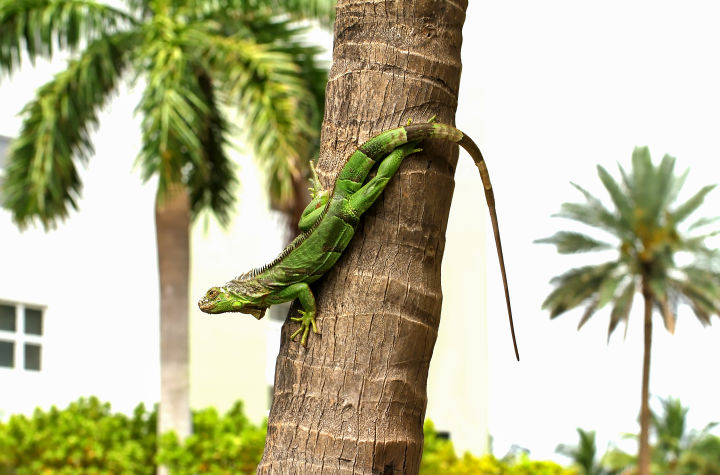
Florida has long been the default winter escape for Americans looking to trade snow boots for sandals. Beaches, theme parks, warm evenings, and the promise of sunshine have made it one of the most reliable cold weather getaways in the country. That is why recent headlines have felt so jarring. Parts of Florida dipped to temperatures colder than Iceland. Snow flurries reached as far south as Tampa. And yes, iguanas were literally falling out of trees.
If you are planning a Florida trip soon, here is what is actually happening, what it means for travelers, and why the Sunshine State is still very much open for winter escapes.
The recent cold snap was driven by an unusually strong Arctic air mass pushing deep into the southeastern United States. While rare, these events do happen from time to time, and they tend to attract attention precisely because Florida is not built for sustained cold.
In several cities, overnight temperatures dropped to near or below freezing, breaking long standing records. For comparison, some parts of Florida were colder than Reykjavík over the same weekend. For locals, the disruption was real. For travelers, the surprise was mostly psychological.
The key detail is duration. Forecasts already show a steady warm up across much of the state, with daytime temperatures returning to seasonal norms within days rather than weeks.
The iguana phenomenon looks dramatic, but it is less alarming than it sounds.
Green iguanas are an invasive species in Florida and are cold blooded. When temperatures drop below about 40°F (4°C), they can enter a temporary state known as torpor. Their muscles lose strength, they become immobile, and if they are perched in trees, they sometimes fall.
Wildlife officials have emphasized that these iguanas are not dead. Once temperatures rise, many regain movement and continue on as usual. For travelers, the takeaway is simple. Do not touch fallen iguanas, give wildlife space, and expect this to be a short lived cold weather curiosity rather than a lasting issue.
Despite the headlines, Florida remains very much a winter destination. Airports, hotels, resorts, and theme parks across Orlando, Miami, Tampa, and coastal areas have continued operating normally. Major attractions stayed open even during the coldest days, with only minor adjustments such as water rides or pools feeling less appealing during early mornings.
What does change during a cold snap is the pace of the day. Mornings can feel brisk, especially before the sun fully rises. Outdoor dining shifts earlier. Locals bundle up in jackets that visitors from colder states may find amusing.
By midday, Florida still often feels mild compared to much of the country.
Even during its coldest stretches, Florida offers something many winter destinations cannot. It offers reliable daylight, open outdoor spaces, and a quick recovery after cold weather.
While large parts of the U.S. deal with snowstorms, icy roads, and weeks of gray skies, Florida tends to bounce back quickly. A handful of cold mornings are often followed by bright afternoons in the 60s or 70s.
For families, Florida remains one of the easiest winter trips to plan. For couples, winter brings quieter beaches and fewer crowds. For travelers desperate for sun, even a cooler Florida day can feel like relief. The fact that this cold snap made national news is precisely because it is unusual.
Florida is not turning into a winter wonderland.
This was a brief cold snap that felt dramatic mostly because it happened in a place known for flip-flops and palm trees. Iguanas falling from trees make for eye-catching headlines, but they are not a reason to panic or rethink a trip. If you are still planning a visit to Florida, there is no need to cancel your plans. Temperatures are already expected to warm back up soon, and the odds of encountering a frozen iguana mid-fall are extremely low.
Is it safe to travel to Florida right now?
Yes. Airports, roads, and major attractions remain open, and there are no widespread travel advisories affecting visitors.
Are falling iguanas dangerous?
No. Cold stunned iguanas are not aggressive. Travelers should avoid touching them and allow wildlife officials to handle any issues.
Will theme parks close because of the cold?
Theme parks typically remain open. Some water rides or pools may temporarily close for comfort or safety.
Is Florida still warmer than most of the U.S. in winter?
Even during brief cold snaps, Florida is often warmer than many northern and Midwestern states during daytime hours.
What should travelers wear during a Florida cold snap?
Layers work best. A light jacket or sweater is useful for mornings and evenings, with warm weather clothing still appropriate during the day when temperatures rise.
Should I cancel my Florida trip?
For most travelers, no. Conditions are improving, and Florida’s winter appeal remains strong.