
Published on January 19, 2026
In 2025 and 2026, wildfires of unprecedented scale have torn through some of the world’s most popular destinations. Chile joins USA, Canada, Greece, South Korea, France, Spain, Portugal, and Italy in a global crisis as deadly wildfires sweep across multiple continents, destroying homes, livelihoods, and entire landscapes. The impact is undeniable—tourism faces a devastating, irreversible blow, with countries that once thrived on their natural beauty now struggling to rebuild. From North America’s forests to Mediterranean coastlines, and the Andes Mountains, every region is feeling the heat, quite literally. As millions of tourists cancel their plans and businesses face closures, the industry is bracing for a long recovery. The fires are not only devastating local communities but also changing the global travel landscape, leaving an undeniable mark on the future of tourism across continents.
Wildfires in Chile: A National Crisis
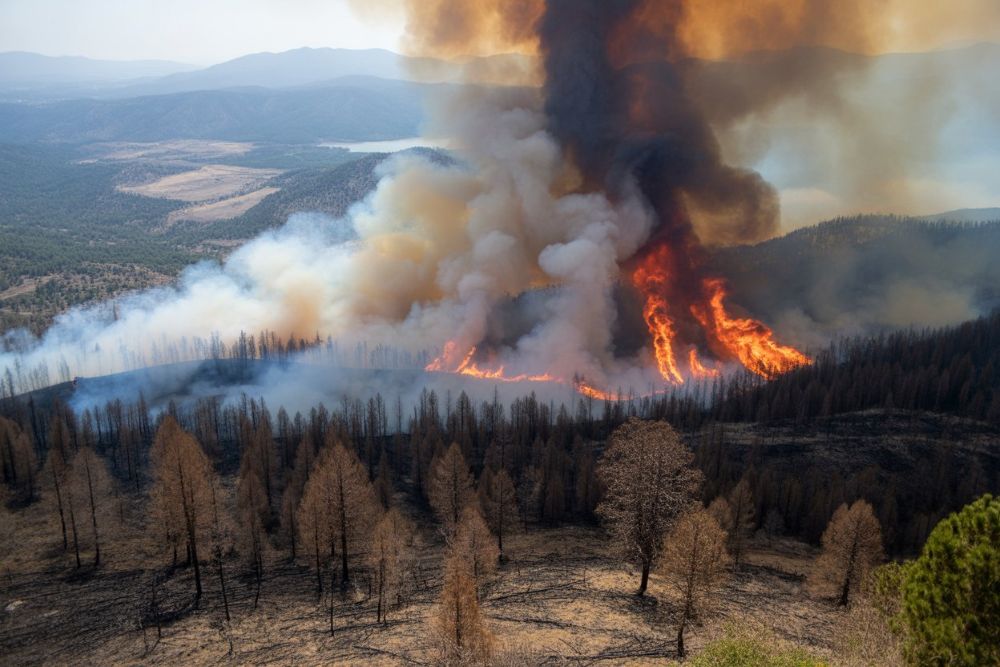
Chile has faced some of the most severe wildfires in its history during the 2025–26 season. In January 2026, wildfires erupted in the Ñuble and Biobío regions, devastating entire communities and forcing thousands of people to flee. With at least 18 lives lost and more than 50,000 people displaced, the fires have triggered a national state of emergency. Local authorities are scrambling to control the flames, while the Chilean Government has called in all available resources to contain the disaster.
Advertisement
Advertisement
These fires are not just a humanitarian issue—they are also a tourism crisis. Chile is known for its vast landscapes, with visitors flocking to the Patagonian wilderness, winery tours in the central valleys, and adventure tourism in the Andes. However, the fires have closed popular destinations, from national parks to remote villages, leaving tourists stranded and potentially avoiding the region altogether. The wildfire smoke has also led to health warnings, causing travel advisories from both local and international agencies.
Tourism Impact in Chile: Short-Term Loss and Long-Term Recovery
Tourism is one of Chile’s key industries. According to official statistics, eco-tourism in the southern regions of Ñuble and Biobío has been particularly affected. The wildfires are expected to cause a sharp decline in visitor numbers, especially from international tourists who are concerned about air quality and safety. Local businesses, including hotels, tour operators, and restaurants, have reported cancellations and a noticeable drop in bookings. For many of these small businesses, it could take several years for recovery as tourists will likely seek out alternative, safer destinations.
Advertisement
Advertisement
Chile’s tourist destinations will need to work hard to regain the trust of travelers. Government efforts are focusing on rebuilding and restoring tourist infrastructure in fire-affected areas. However, the challenge remains, with the health and safety concerns exacerbated by the fires.
United States: A Country in Flames
The United States has also experienced severe wildfire outbreaks, especially in the western regions. In Southern California, Arizona, and Nevada, hot, dry weather and powerful winds created the perfect conditions for fire to spread rapidly. These regions saw some of the most destructive fires in the nation’s history, with thousands of acres burned and large numbers of residential properties destroyed.
Advertisement
Advertisement
The impact on tourism has been significant, particularly in areas such as Los Angeles, San Francisco, and national parks like Yosemite and Sequoia. In 2025, tourism in California was expected to be at an all-time high, but the ongoing threat of wildfires has made many potential visitors hesitant. Major airlines cancelled flights, and fires forced the closure of national parks, leaving tourists with limited options for outdoor activities. These closures not only affect the local economy, which relies heavily on tourism but also the international image of the affected regions.
Tourism Crisis: Wildfire Smoke and Evacuations
Tourism in the United States during the 2025 wildfire season was directly impacted by health risks. The smoke from wildfires drifted across state lines, affecting air quality and creating travel advisories. Cities such as San Francisco and Los Angeles recorded dangerously high levels of particulate matter in the air, prompting local authorities to issue health warnings. Many international visitors, particularly those from Europe and Asia, cancelled their trips to California, concerned about the air quality. This sudden decline in visitors disrupted the hospitality and service industries in these cities.
Advertisement
Advertisement
Advertisement
Advertisement
Moreover, the closures of national parks during peak tourism seasons meant that travelers had to adjust their plans, leaving businesses dependent on park tourism with huge losses. The impact of these fires on the US tourism industry could linger for years as the country tries to adapt to an increasingly unpredictable wildfire season.
Canada: The Second Worst Wildfire Season
Canada faced its second worst wildfire season in history in 2025. From British Columbia to Quebec, wildfires burned through vast forested regions, causing widespread destruction. More than 8.3 million hectares of land were scorched, and more than 6,000 individual fires were recorded. These fires, combined with ongoing dry conditions, led to government-mandated evacuations in British Columbia and Ontario.
While the fires caused a significant loss of property and resources, they also disrupted the country’s tourism sector, especially in British Columbia and Alberta, where national parks like Banff and Jasper attract millions of visitors each year. These regions saw hotel cancellations, closed tour operations, and fire-induced evacuations that directly affected their hospitality industry. Local businesses in eco-tourism and adventure travel were particularly hard hit, with many struggling to survive due to a lack of bookings.
Canada’s Tourism Recovery: High Costs and Uncertainty
The Canadian tourism industry faces an uphill battle as it recovers from the devastating wildfires. While the country remains one of the world’s top travel destinations, wildfire risks are becoming a growing concern for potential tourists. The country’s authorities will need to invest heavily in infrastructure repairs and promote safe tourism practices to rebuild traveler confidence. As with Chile, the recovery period could extend for several years.
Europe: Mediterranean Wildfires Disrupt Summer Tourism
Southern Europe was also badly affected by wildfires, especially in Spain, Portugal, France, Italy, and Greece. These countries have always faced wildfire challenges, but the 2025 wildfire season was particularly devastating. Heatwaves and dry conditions caused wildfires to rage in both rural and urban areas, forcing evacuations and bringing tourism to a halt in several iconic locations.
The impact on Mediterranean tourism was immediately felt. Famous tourist destinations such as Barcelona, Athens, and Nice saw a decrease in bookings due to the air quality concerns and uncertainty surrounding safety. Several beaches were closed, and hiking trails were shut down, leaving outdoor enthusiasts with limited options. For European tourism, which thrives during the summer months, these disruptions represented a major economic setback.
Tourism Impact in Southern Europe: A Shift in Visitor Preferences
The wildfires in Southern Europe had significant consequences for tourism, especially in coastal regions and rural areas popular with outdoor travelers. Airline cancellations, hotel bookings dropping, and attractions closing led to a sharp decline in revenue for affected regions. These changes prompted some tourists to seek out alternative destinations. For instance, travelers shifted their focus to northern Europe, where wildfire risks were lower.
As wildfires become more frequent, it is expected that countries in Southern Europe will have to take preventive measures to protect their tourism infrastructure. This might include better management of forested areas, improved firefighting technologies, and increased awareness of wildfire risks.
South Korea: Wildfires Disrupt National Tourism
In South Korea, the 2025 wildfire season was another reminder of how devastating fires can be to both people and the tourism industry. The fires in mountainous regions such as Gangwon Province affected key tourist hotspots like Seoraksan National Park, where hiking and nature tourism are significant revenue sources. These regions faced severe wildfires, which led to closures of hiking trails, evacuations, and travel advisories from local authorities.
Tourism Losses in South Korea: A Growing Concern
South Korea’s tourism industry, which has seen significant growth over the past decade, faced a blow in 2025 due to the wildfires. Tourists were forced to cancel their trips, especially those who had planned to visit national parks or engage in outdoor activities. The government is focusing on rebuilding efforts and ensuring that tourist sites can reopen safely. However, the loss of revenue during the peak season represents a major setback for many businesses in the tourism and hospitality sectors.
The Future of Tourism Amid Wildfire Threats
The 2025–2026 wildfire seasons have proven to be a major turning point for the global tourism industry. From Chile to Canada, the United States to Europe, and South Korea, tourism has suffered. The economic impact on these regions is vast, with local businesses, hospitality sectors, and national economies facing difficult challenges.
As wildfires become more frequent and intense due to climate change, tourism destinations will need to adapt to these new risks. Governments and tourism authorities must invest in fire prevention and disaster management strategies to protect both the environment and the economy. As travelers become more aware of these risks, regions that can ensure safety and sustainability will emerge stronger.
With the tourism industry already struggling to recover from the impacts of the COVID-19 pandemic, the wildfire crisis adds another layer of uncertainty. But with strong recovery strategies and innovative solutions, there is hope that tourism in these affected regions will eventually bounce back stronger and more resilient.
Advertisement

Advertisement
Tags: 2025 wildfires, climate change, global travel crisis, Tourism Impact, Travel Disruption
Subscribe to our Newsletters
I want to receive travel news and trade event updates from Travel And Tour World. I have read Travel And Tour World's Privacy Notice .
Tuesday, January 20, 2026
Tuesday, January 20, 2026
Tuesday, January 20, 2026
Tuesday, January 20, 2026
Tuesday, January 20, 2026
Tuesday, January 20, 2026
Tuesday, January 20, 2026
Tuesday, January 20, 2026