

Published on January 2, 2026
Tennessee joins Texas, Hawaii, Nevada, Washington, Florida, and other U.S. states in implementing new lodging, rental car, and entertainment taxes to boost tourism in 2026, aiming to enhance state revenues and tourism infrastructure. These new tax initiatives are part of a broader effort to ensure that tourism continues to thrive as a key economic contributor while addressing rising demands on state services and infrastructure. The introduction of increased taxes, such as the extension of Tennessee’s $0.50 privilege tax per hotel room night and hikes in rental car fees and entertainment surcharges across other states, reflects the growing need to support local economies through tourism-related revenue. By generating additional funds, states will be able to reinvest in critical infrastructure, improve public services, and attract more visitors, ensuring a competitive and sustainable tourism sector. As these changes unfold, travelers can expect a more streamlined tourism experience, though they will also face higher costs associated with lodging, transportation, and entertainment in popular destinations. Here’s everything you need to know about how these tax adjustments will shape travel in 2026.
Tennessee: Extending Tourism Taxes for Long-Term Promotion

Tennessee continues to foster growth in its tourism industry with targeted extensions of tourism taxes. In Davidson County (Nashville), the $0.50 privilege tax per hotel room night has been extended through 2026 and beyond, helping fund direct tourism promotion and marketing efforts. This tax extension ensures that the city can continue to promote itself as a premier destination for visitors, especially as Nashville becomes an increasingly popular location for conventions, events, and music tourism. Similarly, Washington County has introduced new lodging taxes for short-term rentals, such as those listed on platforms like Airbnb and VRBO, marking a shift in how local governments collect revenue from the rapidly growing short-term rental market. With these changes, Tennessee continues to rely on tourism taxes as a primary means of funding local marketing and infrastructure projects, ensuring that the state remains competitive in attracting visitors from around the globe.
| Key Points | Details |
|---|---|
| Davidson County Tax Extension | $0.50 privilege tax per hotel room night extended through 2026 |
| Washington County Tax | New lodging taxes approved for short-term rentals (e.g., Airbnb, VRBO) |
| Purpose of Funds | Funds continue to support direct tourism promotion, helping to boost Nashville’s position as a top destination for conventions, music tourism, and events |
| Tourism Impact | Ensures the ongoing competitiveness of Tennessee’s tourism sector through consistent funding for marketing and infrastructure efforts |
Texas: Shifting Property Taxes and Short-Term Rental Adjustments
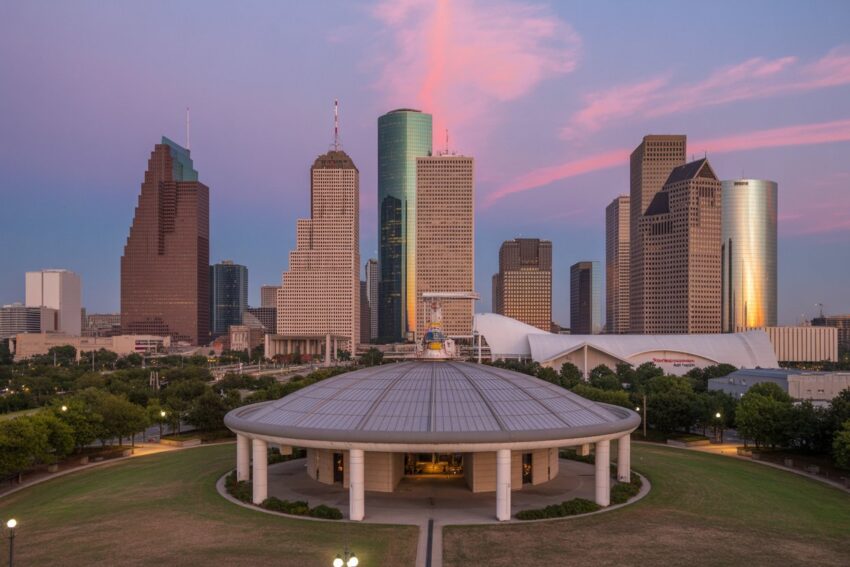
While Texas focuses primarily on property tax relief, the state has also made crucial adjustments to how travel-related taxes are implemented. Though no new statewide taxes have been introduced, the 89th Legislature has overhauled the way local occupancy tax collections are enforced, specifically for short-term rental properties like those listed on Airbnb and VRBO. These stricter record-keeping requirements aim to ensure that all short-term rental hosts are complying with local tax obligations, addressing a growing source of revenue for cities such as Austin and Houston. Additionally, Texas has updated its hotel occupancy tax system, ensuring that the 6% state tax and up to 9% local tax are captured more efficiently. These administrative shifts are designed to make Texas more competitive by improving compliance and ensuring that tax revenue generated from tourism is accurately collected and allocated for local development projects. With these changes, Texas continues to rely on tourism revenue to support its growing infrastructure and services, making it a key player in the U.S. tourism sector.
| Key Points | Details |
|---|---|
| Short-Term Rental Adjustments | Stricter enforcement of occupancy tax collections for short-term rentals (Airbnb, VRBO) following legislative changes |
| Hotel Occupancy Tax Updates | Updated reporting periods for hotel occupancy taxes in cities like Addison and Houston |
| Focus on Property Tax Relief | Primarily focused on property tax relief but also adjusting travel-related taxes |
| Impact on Tourism | Ensures efficient tax collection from short-term rental markets and makes it easier to track and manage state and local tourism taxes |
| Tourism Growth | Supports Texas’ growing tourism market while ensuring that tax revenue generated is used effectively for local development projects |
Hawaii: Leading the Charge with the “Green Fee”

Hawaii is setting a precedent in environmental tourism policy with the introduction of its first-ever environmental tax in 2026. Beginning January 1, 2026, the state will increase its Transient Accommodations Tax (TAT) by 0.75%, raising the state portion from 10.25% to 11%. When combined with county-level taxes, which typically add around 3%, travelers can expect to pay a total lodging tax of up to 14% in many areas across the islands. This change not only impacts hotel stays but also extends to cruise ship passengers, who will now be subject to a similar surcharge based on their time spent in port. The revenue generated from this increase, projected to be around $100 million annually, will be directed toward critical environmental and preservation efforts, including beach restoration, wildfire mitigation, and coral reef protection. Hawaii’s proactive stance in implementing a “green fee” highlights the state’s commitment to sustainable tourism, positioning it as a leader in the movement toward eco-friendly travel policies in the U.S.
Advertisement
| Key Points | Details |
|---|---|
| Effective Date | January 1, 2026 |
| TAT Increase | State portion of Transient Accommodations Tax (TAT) raised from 10.25% to 11% |
| Total Lodging Tax | Combined with county-level taxes (around 3%), total lodging tax could reach 14% |
| Cruise Ship Tax | Cruise ship passengers now subject to a surcharge based on their time in port |
| Purpose of Funds | $100 million/year to fund beach restoration, wildfire mitigation, and coral reef protection |
| Tourism Impact | Focus on sustainable tourism and eco-friendly policies |
Nevada: Boosting Tourism Revenue Through Gaming and Resort Taxes

Advertisement
Nevada is implementing significant tax hikes in 2026 to address state budget gaps and ensure continued growth in its tourism sector. Starting in the 2025/2026 fiscal year, Nevada will increase its gaming taxes by 3.1%, a move expected to impact visitors through higher resort fees and entertainment surcharges at casinos. This increase in taxes is designed to bolster the state’s tourism revenue, with a particular focus on supporting Nevada’s thriving casino industry, which is a cornerstone of its tourism economy. Additionally, Nevada is significantly raising the tax on rental cars, from 5.9% to 11.9% in many jurisdictions, starting January 1, 2026. The increased tax burden on rental cars is likely to raise costs for tourists but is seen as essential to funding the state’s tourism infrastructure. Moreover, local districts in Nevada are adjusting their lodging taxes, with many moving from 10.25% to 11%, further adding to the cost of staying in the state. With these changes, Nevada demonstrates its reliance on tourism taxes to fund essential state services and infrastructure, reinforcing the state’s commitment to maintaining its position as a leading U.S. tourist destination.
| Key Points | Details |
|---|---|
| Gaming Tax Increase | 3.1% increase in gaming taxes for FY 2025/2026 |
| Resort Fees and Entertainment Surcharges | Likely to pass higher gaming taxes on to tourists through higher resort fees and entertainment surcharges |
| Rental Car Tax | Tax on rental cars raised from 5.9% to 11.9% in many jurisdictions starting January 1, 2026 |
| Lodging Tax Increase | Local districts adjusting lodging taxes, many moving from 10.25% to 11% |
| Impact on Tourism | Higher costs for tourists; increased funding for tourism infrastructure and state budget gap closure |
Washington State: A New Framework for Local Lodging Taxes

Washington State has restructured its local lodging tax system in 2026 to better serve tourism promotion and law enforcement needs. Starting January 1, 2026, a new local sales and use tax framework for lodging has been introduced, with tax rates varying by city, ranging between 8.9% and 11.7%. These tax hikes are designed to help fund local tourism promotion areas (TPAs) and support law enforcement programs, which are crucial as Washington continues to attract more visitors to its urban centers and natural attractions. The revenue generated from these lodging taxes will be allocated to improve tourism-related infrastructure, ensuring that Washington maintains its allure as a top destination. By targeting both local governments and tourists, Washington is positioning itself as a state that recognizes the importance of sustainable tourism and the need to balance economic development with community safety and quality of life. These strategic changes align with broader trends across the U.S. where states are increasingly leveraging tourism taxes to enhance both visitor experience and local governance.
Advertisement
| Key Points | Details |
|---|---|
| Effective Date | January 1, 2026 |
| New Tax Framework | Local sales and use tax framework for lodging, varying from 8.9% to 11.7% depending on city |
| Purpose of Funds | Revenue allocated for local law enforcement programs and the development of “Tourism Promotion Areas” |
| Tourism Growth | Aimed at supporting Washington’s growing tourism sector while enhancing community safety and infrastructure |
| Impact on Travelers | Travelers will experience varying tax rates depending on location; tax increase used to boost local government capabilities |
Florida: Shifting How Tourist Development Taxes Are Spent
Advertisement
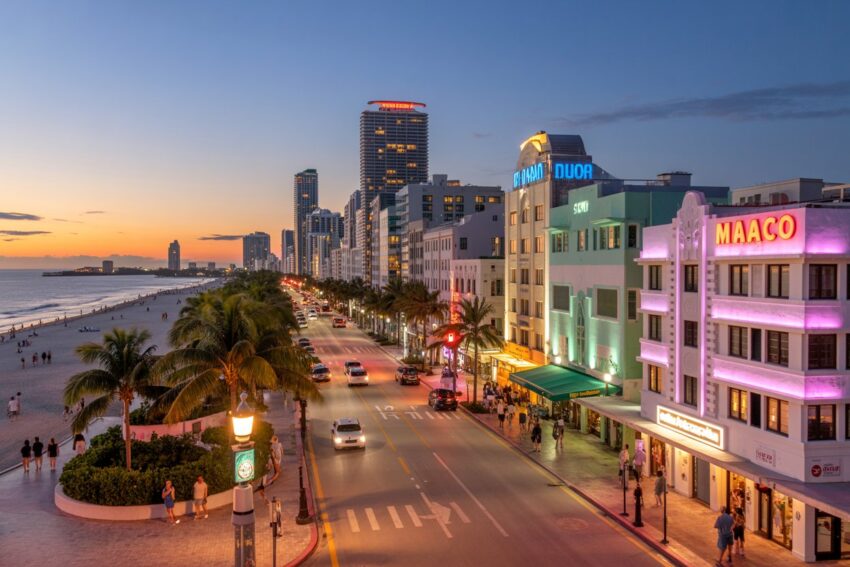
Florida’s tourism policies are undergoing significant changes in 2026, particularly in how the state’s Tourist Development Taxes (TDT) are allocated. With the passage of Senate Bill 458, effective July 1, 2026, the state will revise the percentage of TDT revenue spent on actual tourism promotion versus infrastructure projects. This shift aims to better balance the allocation of funds, ensuring that advertising campaigns and tourism marketing remain adequately funded while infrastructure projects such as stadiums and beaches also receive attention. Furthermore, the introduction of SB 976 allows certain counties to use tourism tax revenue to support commuter rail operations, potentially increasing local TDT rates to the 6% maximum to cover new expenses. This restructuring of Florida’s tourism tax spending reflects a growing recognition that the state’s tourism industry must not only be promoted but also sustainably developed to accommodate increasing numbers of visitors. As one of the country’s most visited states, Florida’s approach will have broad implications for other tourist-heavy regions seeking to balance growth with infrastructure needs.
| Key Points | Details |
|---|---|
| Senate Bill 458 | Effective July 1, 2026, revises the percentage of TDT revenue spent on tourism promotion versus infrastructure projects |
| Commuter Rail Funding | SB 976 allows counties to use tourism tax revenue to fund commuter rail operations |
| TDT Rate Adjustment | Local municipalities may raise TDT rates to the 6% maximum to cover new commuter rail expenses |
| Purpose of Funds | To balance tourism promotion and infrastructure development while addressing growing tourism-related costs |
| Impact on Tourism | Adjustments will influence the allocation of tourism tax revenue, ensuring that both marketing and infrastructure are sufficiently funded |
Tennessee joins Texas, Hawaii, Nevada, Washington, Florida, and other U.S. states in implementing new lodging, rental car, and entertainment taxes to boost tourism in 2026, aiming to enhance state revenues and tourism infrastructure.
Conclusion
Tennessee joins Texas, Hawaii, Nevada, Washington, Florida, and other U.S. states in implementing new lodging, rental car, and entertainment taxes to boost tourism in 2026. These tax changes are essential for supporting the growing tourism industry and ensuring sustainable infrastructure development. As states adapt to increasing demands from both residents and visitors, these adjustments will generate necessary revenue to improve public services and enhance the overall tourism experience. While the new taxes may increase costs for travelers, they are a crucial step toward maintaining and expanding the tourism sector, ensuring that these states remain competitive in attracting tourists from around the world. By investing in better infrastructure, marketing, and attractions, these states are setting themselves up for a successful tourism year in 2026 and beyond.
Advertisement

Advertisement
Tags: Lodging taxes, Tourism Infrastructure, Tourism taxes, US travel 2026
Subscribe to our Newsletters
I want to receive travel news and trade event updates from Travel And Tour World. I have read Travel And Tour World's Privacy Notice .
Friday, January 2, 2026
Friday, January 2, 2026
Friday, January 2, 2026
Friday, January 2, 2026
Friday, January 2, 2026
Friday, January 2, 2026
Friday, January 2, 2026
Friday, January 2, 2026