MANILA, Philippines — It is not surprising to know that Filipinos' affinity for traveling reaches a high during the Christmas holidays.
A 2024 report from the Department of Tourism shows that more than 650,000 Filipinos decided to spend Christmas and New Year outside the Philippines, with studies citing Hong Kong, Japan, and South Korea as popular destinations.
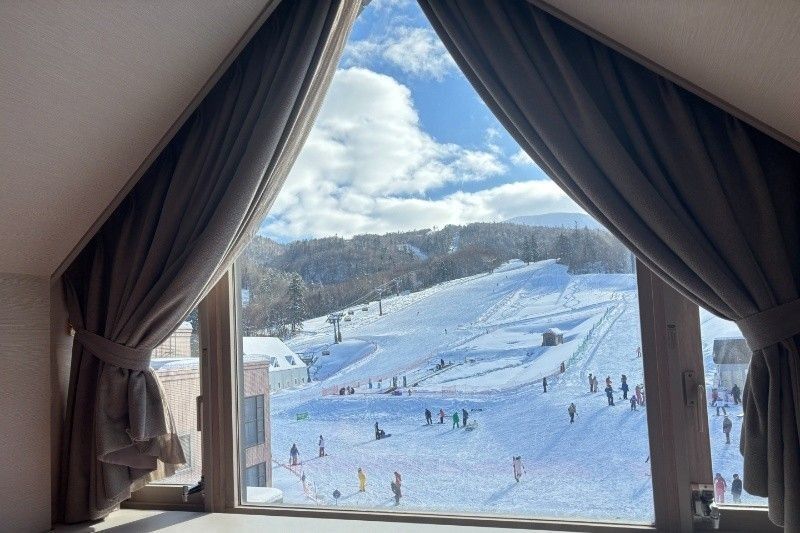
These three countries can reach quite low temperatures during December: Hong Kong can drop to 14°C, Japan dips as low as 2°C, and South Korea reaches into the negatives
Dr. Sheryll M. Cornejo, a general practitioner at Makati Medical Center, noted certain illnesses can be triggered by cold and dry air. These are diseases that easily spread when in close contact with a group.
"There's the common cold, flu, pneumonia, bronchitis, and COVID-19," said Dr. Cornejo. "Cold weather may also be perceived to worsen pre-existing conditions like COPD (chronic obstructive pulmonary disease), asthma, and arthritis."
There is also the extreme possibilities of frostbite (the freezing of skin and underlying tissues, causing numbness and potential permanent skin damage), hypothermia (body temperature drops below 35°C), and chilblains (swollen, blistered hands and feet caused by exposure to cold and damp conditions).
Dr. Cornejo advised checking the weather forecast of a holiday destination before booking a flight.
Related: The Terrible Twos: Doctor gives tips for moms of 2-year-olds
"This helps you anticipate potential hazards — something we don't usually experience in a tropical climate. Beyond extreme cold temperatures, you should check for snowfall, sleets, blizzards, and strong winds," she said, adding that these help prepare the kinds of clothes and items to pack.
The doctor also suggested getting the necessary vaccines, such as those for flu and pneumonia, before the trip. He also stressed the need to pack a medicine kit with maintenance meds and basic remedies for fever, cough and colds, sore throat, and allergies.
For exterior protection, one should have moisturizer, lotion, and lip balm as cold, dry winds can affect the skin. Some countries also sell hand and body warmers to help keep one nice and cozy.
One key tip when traveling to areas with cooler weather is layering one's clothes starting with thermals (long-sleeved tops, full-length leggings, pants made of breathable, moisture-wicking fabric), then insulating pieces (fleece, wool, and cashmere sweaters and jackets), and finally a sturdy coat or insulated outerwear.
"In cold weather, bring a beanie to cover your head and ears. Wrap a scarf around your neck, and wear waterproof gloves and mittens for your hands," the doctor said. "For places that experience winter, boots are a must. Wear thick socks before getting into waterproof boots with good traction against slippery ice and snow."
If one is already feeling under the weather, companions should be informed and medical attention must be sought.
"Preparing to travel to a cold climate begins even before you book your flight and hotel. Eating a balanced diet, exercising regularly, and getting the recommended hours of sleep at night go a long way in keeping you healthy and strong for all types of weather and destinations," the doctor ended.
RELATED: Babies in business class? Richard Quest shares travel opinions
Philstar.com is one of the most vibrant, opinionated, discerning communities of readers on cyberspace. With your meaningful insights, help shape the stories that can shape the country. Sign up now!
Signup for the News Round now